
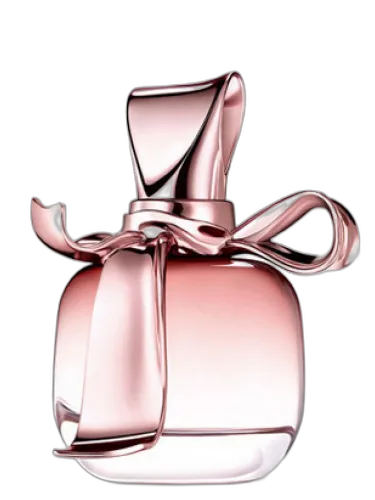

Mademoiselle Ricci Nina Ricci
At a glance
Is Mademoiselle Ricci Nina Ricci worth trying?
Mademoiselle Ricci by Nina Ricci is a Floral Woody Musk fragrance for women.
- Best match
- Evening wear in Spring
- Performance feel
- Good longevity with Moderate sillage
- Signature profile
- rose, floral, musky with Wild Rose, Pink Pepper, Raspberry
The first impression
Mademoiselle Ricci by Nina Ricci is a Floral Woody Musk fragrance for women. Mademoiselle Ricci was launched in 2012. The nose behind this fragrance is Alberto Morillas. Top notes are Wild Rose, Pink Pepper and Raspberry; middle notes are Rose Hip, Nerium Oleander and Laurels; base notes are Musk, White Wood, Violet, Amber and Cedar.
What shapes the scent
The perfumer behind it

Alberto Morillas
Alberto Morillas is a master perfumer based in Geneva, Switzerland, and a longtime collaborator with Firmenich. His style is known for refined, luminous compositions that balance natural elegance with modern clarity. He created the bold leather and spice of Amouage Opus VII - Reckless Leather, the fresh citrus depth of Acqua di Parma Colonia Intensa, and the woody warmth of Aedes de Venustas Palissandre D'or. His work has shaped contemporary perfumery across both niche and luxury houses.
Notes pyramid
Top Notes
First impression · 15-30 min
 Wild Rose
 Pink Pepper
 Raspberry
Heart Notes
Core character · 2-4 hours
 Rose Hip
 Nerium Oleander
Laurels
Nerium Oleander
Laurels
Base Notes
Lasting impression · 4+ hours
 Musk
White Wood
Musk
White Wood
 Violet
 Amber
Amber
 Cedar
Cedar
The mood it creates
The Lover Archetype: Portrait of Mademoiselle Ricci Nina Ricci
Essence
The one who adores Mademoiselle Ricci Nina Ricci is most closely aligned with The Lover archetype-a seeker of beauty, passion, and sensory delight. The fragrance itself, with its playful blend of citrus, floral, and musk, mirrors their essence: light yet lingering, sweet but not cloying, a whisper of mischief wrapped in elegance. The Lover thrives on connection, whether to people, art, or the world itself, seeing life as a canvas to be adorned with meaning and pleasure.
Yet, like all archetypes, The Lover has a shadow-a tendency toward indulgence, fleeting passions, and an aversion to the mundane. Their challenge is to balance their hunger for beauty with the discipline required to sustain it.
Relationships
They are magnetic, effortlessly drawing others in with their warmth and curiosity. Friends adore them for their ability to make even a coffee date feel like an event, lovers are enchanted by their ability to see and reflect beauty in those they cherish. Yet, their shadow emerges in their relationships-sometimes they love the idea of love more than the reality. They may grow restless when the initial spark dims, chasing the thrill of new connections rather than nurturing depth in existing ones.
Their greatest fear is stagnation, and so they flirt with transience-always half-prepared to move on before anything can grow dull. But when they commit, they do so fiercely, weaving their life into another’s with an intensity that can be overwhelming.
Shadow
The Lover’s brilliance is also their fragility. Their aversion to boredom can make them fickle, abandoning projects, people, or dreams when they no longer dazzle. They may mistake intensity for meaning, confusing infatuation with love, novelty with growth.
At their worst, they become the Hedonist-indulging in pleasures without purpose, mistaking accumulation of experiences for wisdom. They may grow impatient with those who cannot match their fervor, dismissing slower, quieter lives as dull.
Yet, when balanced, they are the ones who remind us that life is not merely to be endured but savored. They teach us that beauty is not an escape from reality but a way of engaging with it more deeply.
Conclusion
Their tastes are refined but never rigid. They favor soft, flowing fabrics-silks, chiffons, perhaps a vintage lace blouse-paired with delicate jewelry that catches the light. Their home is an extension of their soul: fresh flowers on the table, a well-loved book left open on the armchair, a record player spinning something melancholic yet hopeful. They are drawn to Impressionist art, where colors bleed into emotion, and to poetry that speaks of longing and fleeting joy.
Philosophically, they believe in the aesthetics of existence-that life should be lived with intention, that beauty is not frivolous but essential. They reject the utilitarian mindset that reduces experience to function; for them, a meal is not just sustenance but an act of love, a conversation not just exchange but communion.
If you like this, try these
Fragrances with a comparable profile - shared accords, notes, and character.
Jacques Fath
White Irissime Jacques Fath
Shared top notes: pink pepper, raspberry
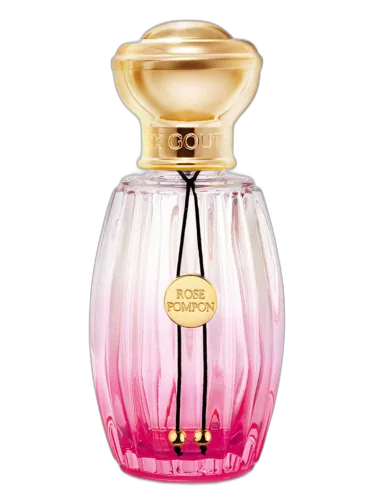
Goutal
Rose Pompon Eau De Toilette Goutal
Shared top notes: pink pepper, raspberry

Flora Pura
Dany Woman Flora Pura
Shared top notes: pink pepper, raspberry
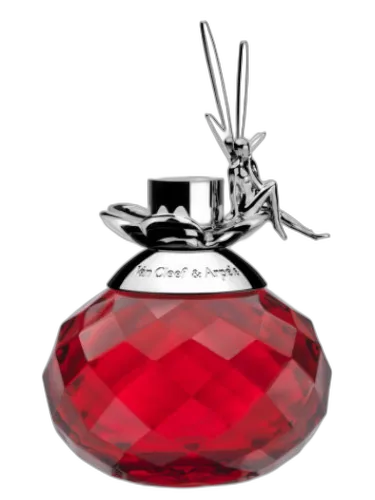
Van Cleef & Arpels
Feerie Rubis Van Cleef & Arpels
Shared top notes: pink pepper, raspberry

Les Destinations
Isparta Les Destinations
Shared top notes: pink pepper, raspberry