


Vénus Nina Ricci
Fragrance Story
Vénus by Nina Ricci is a Chypre Floral fragrance for women. This is a new fragrance. Vénus was launched in 2024. Vénus was created by Alexandra Monet, Nathalie Lorson and Olivier Cresp. Top notes are Mandarin and Magnolia Leaf; middle notes are Magnolia and Jasmine; base notes are Vanilla and Patchouli.
Composition Profile
About the Perfumer

Alexandra Monet
Alexandra Monet is a French perfumer known for her work with major houses including 4711, Anthropologie, and Astier de Villatte. Her style often blends fresh, fruity, and floral notes with unexpected accents, as seen in the bright, green 4711 Acqua Colonia Bamboo & Watermelon and the spicy-sweet White Peach & Coriander. She also created the refined floral of 4711 Noble Rose and the warm, modern Vibrant Musk, demonstrating a versatility that spans both classic colognes and contemporary compositions.
Fragrance Notes
Top Notes
First impression · 15-30 min
 Mandarin
 Magnolia Leaf
Heart Notes
Core character · 2-4 hours
 Magnolia
 Jasmine
Base Notes
Lasting impression · 4+ hours
 Vanilla
 Patchouli
Vénus Nina Ricci by Nina Ricci offers a distinctive olfactory experience that stands out from other fragrances in its category.
Crafted with the finest ingredients and a blend of traditional and modern perfumery techniques, this fragrance represents the pinnacle of the perfumer's art.
Vénus Nina Ricci embodies the distinctive style of Nina Ricci while adding a unique chapter to their fragrance portfolio.
Character Profile
The Lover Archetype: Portrait of Vénus Nina Ricci
Essence
To wear Vénus by Nina Ricci is to embrace the Lover archetype-a soul drawn to beauty, sensuality, and the intoxicating dance of emotion and aesthetics. This fragrance, with its blend of peony, vanilla, and musk, is not merely a scent but a declaration: life is to be felt, tasted, and cherished. The Lover does not merely exist; they experience, with an intensity that borders on devotion.
This person is neither passive nor indifferent. They are drawn to what stirs the heart-art, poetry, the warmth of human connection, the thrill of a fleeting glance. Yet, like all archetypes, the Lover has a shadow-a tendency toward indulgence, a fear of abandonment, and a sometimes paralyzing need for affirmation.
Style & Aesthetic
Their world is curated with deliberate beauty. Their home is not merely functional but an extension of their inner self-soft fabrics, warm lighting, perhaps an antique mirror or a well-worn book of love poems. They are drawn to the tactile: the weight of a linen dress, the smoothness of a polished stone, the way sunlight filters through a glass of amber liquor.
In matters of taste, they favor the romantic but not the saccharine. They might adore the films of Wong Kar-wai, the paintings of Klimt, or the music of Debussy-works that balance passion with restraint. Their own style is effortless yet intentional, favoring flowing silhouettes, delicate jewelry, and colors that whisper rather than shout.
They move through life with a poet’s sensitivity. A rainy afternoon is not merely weather but a mood; a glass of wine is not just a drink but an experience. They thrive in environments that allow for both creativity and sensuality-perhaps as an artist, a curator, a sommelier, or simply someone who brings grace to the everyday.
Yet, their depth of feeling can tip into excess. They may struggle with indulgence-whether in love, luxury, or escapism. The shadow of the Lover is the fear of emptiness, the terror of being left with nothing but their own longing.
Philosophy & Values
For them, truth is not found in cold logic but in the pulse of life itself. They believe in the sacredness of pleasure-not in the hedonistic sense, but as a form of reverence. A shared meal is communion; a lingering touch, a silent prayer. They are drawn to philosophies that celebrate the senses-perhaps a touch of Epicureanism, a dash of Sufi poetry, or the quiet wisdom of Rumi.
Yet, this very intensity can become a burden. When the world feels too harsh, too indifferent, they may retreat into fantasy, seeking solace in idealized love or nostalgia. Their shadow whispers: What if beauty fades? What if I am not enough?
Relationships
In love, they are both generous and demanding. They give freely-affection, attention, devotion-but they also crave reciprocity with a near-spiritual hunger. Their relationships are deep, sometimes tumultuous, because they refuse superficial connections. They would rather burn than settle for lukewarm affection.
But here lies the shadow: a fear of being unseen, of pouring their heart into someone who cannot hold it. They may cling too tightly, or, conversely, flee at the first sign of cooling passion. Their greatest challenge is learning that love does not always have to be a grand opera-sometimes, it is a quiet duet.
Conclusion
They are both resilient and vulnerable, capable of profound joy and equally profound sorrow. Their gift is their ability to make others feel alive; their curse is the weight of their own heart. But in embracing both, they embody the full spectrum of what it means to be human-to love fiercely, to ache deeply, and to find beauty even in the cracks of existence.
To know them is to know that life is not merely lived-it is felt, in all its radiant, heartbreaking glory.
Similar Fragrances
Fragrances with a comparable profile - shared accords, notes, and character.
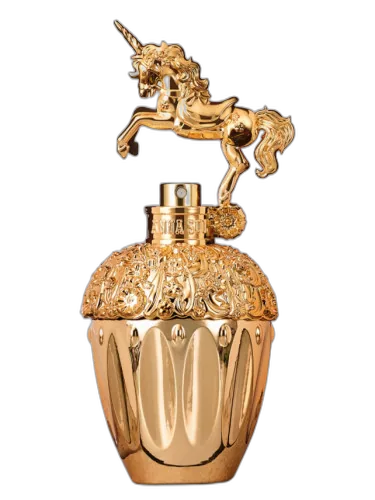
Anna Sui
Fantasia Gold Edition Anna Sui
Shared accords: floral, powdery, sweet
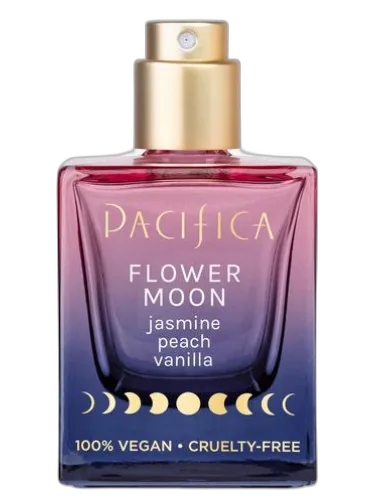
Pacifica
Flower Moon Pacifica
Shared accords: floral, powdery, sweet
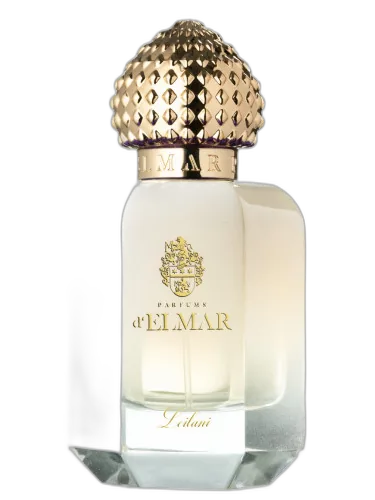
Parfums d'Elmar
Leilani Parfums D'elmar
Shared accords: citrus, floral, powdery

Grès
Grain De Folie Grès
Shared accords: citrus, floral, green

Beyoncé
Pulse Beyoncé
Shared accords: citrus, floral, powdery