
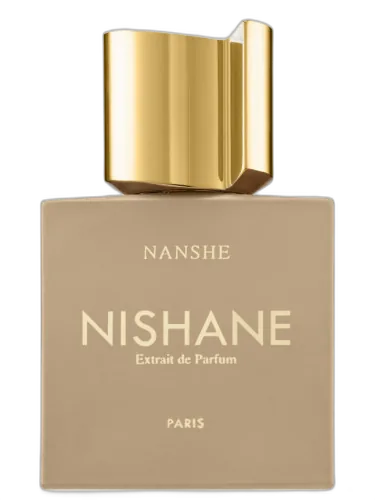

Nanshe Nishane
At a glance
Is Nanshe Nishane worth trying?
Nanshe by Nishane is a Oriental Floral fragrance for women and men.
- Best match
- Evening wear in Fall
- Performance feel
- Excellent longevity with Strong sillage
- Signature profile
- powdery, floral, woody with Carrot Seeds, Cardamom, Yuzu
The first impression
Nanshe by Nishane is a Oriental Floral fragrance for women and men. Nanshe was launched in 2020. The nose behind this fragrance is Cécile Zarokian. Top notes are Carrot Seeds, Cardamom, Yuzu and Bergamot; middle notes are Rose, Floral Notes, Water Fruit, Ylang-Ylang and Jasmine Sambac; base notes are Powdery Notes, Orris, Musk, Sandalwood and Patchouli.
What shapes the scent
The perfumer behind it

Cécile Zarokian
Cécile Zarokian is a perfumer who has created numerous fragrances for Amouage. Her works include Epic 56 Woman Amouage, Leather Sadah Amouage, Material Amouage, and Opus Xiii - Silver Oud Amouage. She also crafted Opus Xiv - Royal Tobacco Amouage, Oud Ulya Amouage, Outlands Amouage, and Rose Aqor Amouage. Her portfolio showcases a range of luxurious and complex compositions.
Notes pyramid
Top Notes
First impression · 15-30 min
 Carrot Seeds
 Cardamom
 Yuzu
Yuzu
 Bergamot
Heart Notes
Core character · 2-4 hours
 Rose
Rose
 Floral Notes
 Water Fruit
 Ylang-Ylang
 Jasmine Sambac
Base Notes
Lasting impression · 4+ hours
 Powdery Notes
Orris
Powdery Notes
Orris
 Musk
Musk
 Sandalwood
 Patchouli
The mood it creates
The Sage Archetype: Portrait of Nanshe Nishane
Essence
Nanshe Nishane is a fragrance of paradox-both luminous and shadowed, fresh yet resinous, evoking the quiet wisdom of ancient groves and the sharp clarity of modern intellect. It is a scent for those who dwell in thought, who seek meaning beneath the surface of things. The person who wears it is not one to chase fleeting pleasures but instead lingers in the depths of contemplation, drawn to the interplay of light and darkness in both fragrance and life.
Shadow
But wisdom has its cost. The Sage’s greatest flaw is their tendency to withdraw into the fortress of their own mind, mistaking observation for participation. They may become so enamored with their own insights that they forget to live-to feel, to act, to surrender to the messiness of existence. Their pursuit of understanding can become a form of evasion, a way to keep the world at a safe distance.
There is also the risk of intellectual arrogance. The Sage, convinced of their own clarity, may dismiss simpler truths or scorn those who do not share their depth. They might grow impatient with emotion, seeing it as a distraction from reason, and in doing so, lose touch with their own humanity. The shadow Sage is the aloof scholar, the one who knows the map but never walks the terrain.
Conclusion
The dominant archetype here is the Sage-the seeker of truth, the observer who stands slightly apart, deciphering the world with quiet intensity. Like Jung’s archetypal wise elder, this individual values knowledge, insight, and the refinement of perception. They are drawn to complexity, to the hidden structures beneath appearances, and their mind is a labyrinth of connections, always searching for the underlying pattern.
Yet the Sage is not merely a passive thinker. There is a restlessness to their intellect, a hunger to understand-not just for the sake of knowing, but to distill wisdom into something tangible, something that might guide or illuminate. They are the quiet mentor, the one who speaks sparingly but with precision, whose words carry weight because they have been carefully measured.
If you like this, try these
Fragrances with a comparable profile - shared accords, notes, and character.
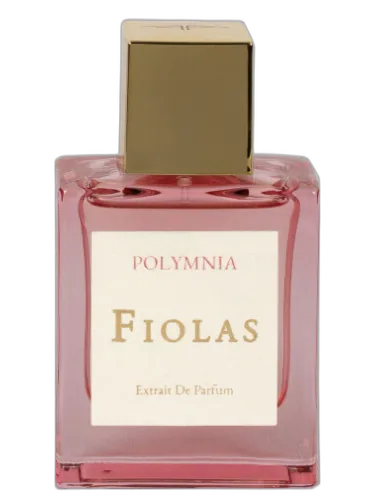
Fiolas
Polymnia Fiolas
Shared top notes: bergamot, cardamom

Tree Of Life
Illuminating Rose Tree Of Life
Shared top notes: bergamot, cardamom
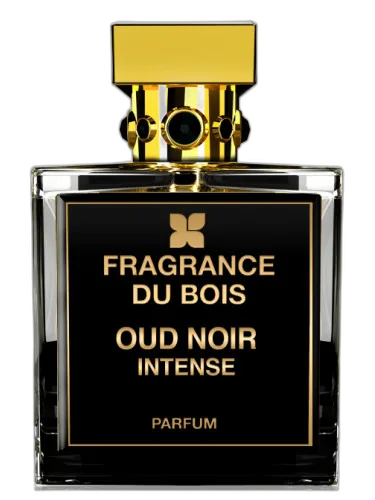
Fragrance Du Bois
Oud Noir Intense Fragrance Du Bois
Shared top notes: bergamot, cardamom
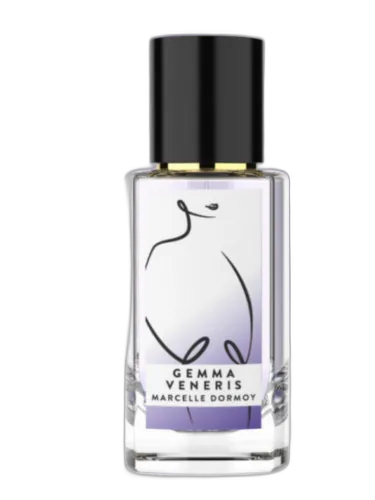
Marcelle Dormoy
Gemma Veneris Marcelle Dormoy
Shared top notes: bergamot
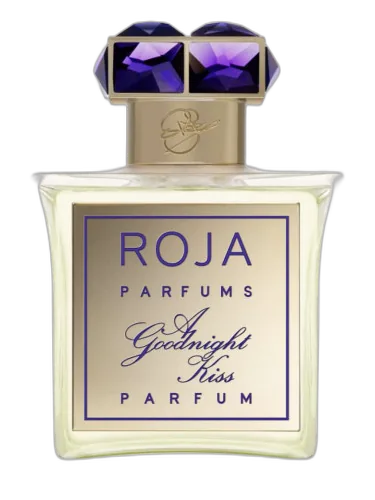
Roja Dove
A Goodnight Kiss Roja Dove
Shared top notes: bergamot