
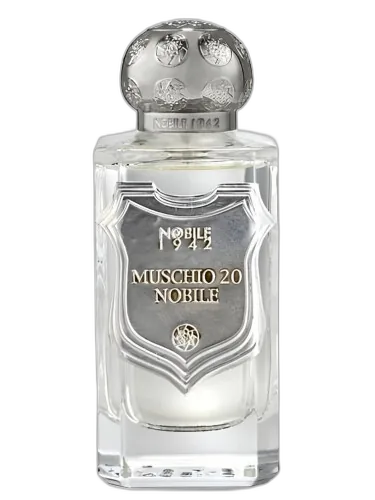

Muschio 20 Nobile Nobile 1942
At a glance
Is Muschio 20 Nobile Nobile 1942 worth trying?
Muschio 20 Nobile by Nobile 1942 is a Floral Woody Musk fragrance for women and men.
- Best match
- Evening wear in Fall
- Performance feel
- Good longevity with Moderate sillage
- Signature profile
- floral, powdery, sweet with Peach, Bergamot, Medlar
The first impression
Muschio 20 Nobile by Nobile 1942 is a Floral Woody Musk fragrance for women and men. This is a new fragrance. Muschio 20 Nobile was launched in 2024. The nose behind this fragrance is Maria Celeste Lombardo. Top notes are Peach, Bergamot and Medlar; middle notes are Peach, Osmanthus, Freesia, Tulip and Cotton Flower; base notes are White Musk, Cotton Candy, Amber and Sandalwood.
What shapes the scent
The perfumer behind it

Maria Celeste Lombardo
Maria Celeste Lombardo has created fragrances for several Italian and Middle Eastern brands. Her work includes Bronth and Colapesce for Ciatu, as well as Diamond for Dkhoon Emirates. She also composed Terra for Lord Milano and Anti Malocchio for Nobile 1942. Her style ranges from fresh Sicilian notes to rich oriental accords.
Notes pyramid
Top Notes
First impression · 15-30 min
 Peach
Peach
 Bergamot
 Medlar
Heart Notes
Core character · 2-4 hours
Peach
 Osmanthus
 Freesia
 Tulip
Tulip
 Cotton Flower
Base Notes
Lasting impression · 4+ hours
 White Musk
 Cotton Candy
 Amber
Amber
 Sandalwood
The mood it creates
The Sage Archetype: Portrait of Muschio 20 Nobile Nobile 1942
Essence
To wear Muschio 20 Nobile 1942 is to embrace an olfactory paradox-earthy yet refined, primal yet composed. This fragrance, with its mossy depth and subtle warmth, speaks of a person who dwells in the liminal space between instinct and intellect. They are not ruled by fleeting passions, nor do they submit to sterile rationality. Instead, they move through life with the quiet confidence of one who has reconciled the wild and the cultivated within themselves.
The dominant archetype here is the Sage, the seeker of wisdom, the observer who distills meaning from experience. Like the fragrance itself-rooted in oakmoss, leather, and a whisper of spice-this person values knowledge not as mere accumulation but as a form of alchemy, transforming raw experience into insight. The Sage does not rush; they contemplate. They do not shout; they speak when words carry weight.
Yet, the Sage is not without shadows. Their pursuit of understanding can become detachment, their wisdom a fortress against vulnerability. To know too much is sometimes to feel too little.
Shadow
The Sage’s greatest strength-their intellect-can become their prison. When overindulged, their introspection turns into isolation. They may mistake solitude for wisdom, forgetting that some truths are only found in the messiness of shared existence. Their discernment can harden into judgment, their patience into passivity.
There is also the danger of the Sage becoming the Cynic, seeing too deeply into the flaws of the world and losing the capacity for wonder. The fragrance they love, Muschio 20 Nobile, is rich but never heavy-a reminder that wisdom must remain light enough to breathe, lest it suffocate the soul.
Conclusion
Their tastes are deliberate, never ostentatious. They prefer the understated elegance of well-worn leather, the texture of aged paper, the muted tones of natural fabrics. Their home is a sanctuary of order and warmth-wooden shelves lined with books, a single carefully chosen artwork on the wall, a record player spinning jazz or classical compositions that demand attention rather than background noise.
Philosophy is not an abstraction for them but a lived practice. They may be drawn to Stoicism for its discipline, to existentialism for its embrace of meaning-making, or to Eastern thought for its balance. They do not seek answers so much as the right questions.
In relationships, they are the confidant, the listener, the one who offers perspective rather than platitudes. They attract others with their depth but may struggle with intimacy-knowing the human heart in theory is not the same as surrendering to its unpredictability. Their love is steady, but their partner may sometimes long for spontaneity, for the raw, unguarded moment.
If you like this, try these
Fragrances with a comparable profile - shared accords, notes, and character.

Salvatore Ferragamo
Incanto Salvatore Ferragamo
Shared top notes: peach
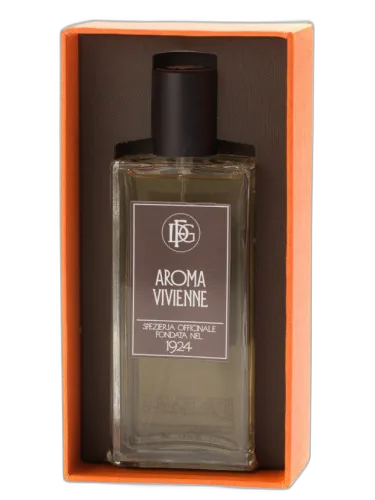
DFG1924
Aroma Vivienne Dfg1924
Shared top notes: bergamot, peach
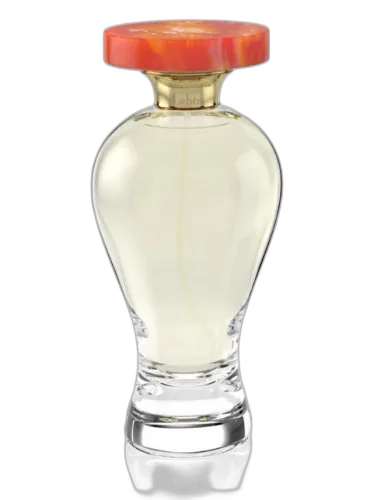
Lubin
Princesses De Malabar Lubin
Shared top notes: bergamot

Roberto Verino
Mellow Roberto Verino
Shared top notes: bergamot, peach
Esprit
Your Life By Esprit Woman Esprit
Shared top notes: bergamot, peach