


The Beige Nonfiction
At a glance
Is The Beige Nonfiction worth trying?
The Beige by Nonfiction is a Floral Woody Musk fragrance for women and men.
- Best match
- Office wear in Any
- Performance feel
- Good longevity with Moderate sillage
- Signature profile
- iris, powdery, mineral with Geranium, Rose Water, Concrete
The first impression
The Beige by Nonfiction is a Floral Woody Musk fragrance for women and men. This is a new fragrance. The Beige was launched in 2024. The nose behind this fragrance is Maurice Roucel. Top notes are Geranium and Rose Water; middle notes are Concrete, Orris and Jasmine; base notes are Musk and Tonka Bean.
What shapes the scent
The perfumer behind it

Maurice Roucel
Maurice Roucel is a French perfumer known for his work with Symrise and his extensive portfolio of over 200 fragrances. He created iconic scents such as Adidas Originals by Jeremy Scott and Amouage Reflection Woman. His style often balances fresh, vibrant notes with deeper, more complex accords, as seen in Atkinsons Amber Empire and The Other Side of Oud. Roucel's versatility spans from sporty Adidas fragrances to luxurious Amouage creations.
Notes pyramid
Top Notes
First impression · 15-30 min
 Geranium
 Rose Water
Heart Notes
Core character · 2-4 hours
 Concrete
Orris
Concrete
Orris
 Jasmine
Base Notes
Lasting impression · 4+ hours
 Musk
Musk
 Tonka Bean
The mood it creates
The Sage Archetype: Portrait of The Beige Nonfiction
Essence
The person who cherishes The Beige Nonfiction is, at their core, a Sage-an archetype defined by wisdom, introspection, and a relentless pursuit of truth. Their fragrance choice reflects this: beige, a color of neutrality and subtlety, paired with "nonfiction," a term that suggests clarity, precision, and an aversion to artifice. They are not drawn to the flamboyant or the fleeting; they seek depth, meaning, and the quiet elegance of understanding.
Their life is a carefully curated library of experiences, each one examined for its intellectual or emotional yield. They move through the world as an observer, absorbing knowledge, distilling insights, and occasionally sharing them-but only when certain of their value.
Style & Aesthetic
Their style is minimalist but deliberate. They favor clean lines, muted tones, and fabrics that suggest durability rather than trendiness. Their home is a sanctuary of order: books arranged not by color but by theme, furniture chosen for function as much as form. They appreciate art that invites contemplation-abstract paintings, black-and-white photography, or sculptures that demand interpretation.
Music, for them, is an exercise in discernment. They might prefer jazz for its improvisational intellect, classical for its structure, or ambient soundscapes that leave room for thought. Their taste in literature leans toward philosophy, essays, and historical accounts-works that promise truth, even if uncomfortable.
Their daily routine is structured, not out of rigidity but efficiency. Mornings might begin with reading, evenings with reflection. They exercise not for vanity but for clarity-yoga, running, or weightlifting as a means to sharpen the mind. Work is chosen for its intellectual engagement; they thrive in academia, research, writing, or any field where thought is currency.
Yet this discipline can curdle into austerity. They may forget that wisdom without warmth is merely data, that a life too carefully examined risks becoming sterile.
Philosophy & Values
They believe in the sovereignty of reason. Emotion is not dismissed but examined, dissected for its origins and validity. Their guiding principle is veritas-truth, even when inconvenient. They distrust dogma, preferring skepticism as a tool rather than a stance.
Yet this pursuit of knowledge is not without cost. They sometimes mistake understanding for control, believing that if they can analyze something deeply enough, they can master it. This can lead to a detachment from lived experience-a tendency to observe life rather than fully inhabit it.
Relationships
They are not the life of the party, nor do they wish to be. Their friendships are few but profound, built on mutual respect and intellectual exchange. Romantic partners must appreciate their need for solitude, their occasional emotional reserve. They are loyal but not effusive; love, for them, is demonstrated through acts of care rather than grand declarations.
Their shadow here is a reluctance to surrender to vulnerability. They can rationalize emotions away, retreating into analysis when confronted with rawness. This can leave partners feeling unseen, as if their deepest feelings are being filed away rather than felt.
Shadow
The Sage’s greatest flaw is the assumption that knowledge equates to superiority. They can become dismissive of those who think less critically, mistaking their own skepticism for enlightenment. Their pursuit of truth, if unchecked, can turn into a kind of intellectual pride-a belief that they alone see clearly in a world of fools.
But when balanced, they are a beacon of reason in an age of noise. Their quiet confidence, their refusal to be swayed by spectacle, makes them a rare and necessary presence.
Conclusion
The Beige Nonfiction is not a scent of passion or impulse-it is the aroma of a mind at work. The person who wears it does not seek to dominate but to understand. They are the quiet voice in the debate, the one who speaks only when they have something to say.
Their life is a testament to the belief that truth, though often elusive, is worth pursuing-even if the pursuit leaves them standing a little apart from the world.
If you like this, try these
Fragrances with a comparable profile - shared accords, notes, and character.

Companhia da Terra
Da Vinci Companhia Da Terra
Shared top notes: geranium

Alexmonhart
The Minimalist Alexmonhart
Shared base notes: musk, tonka bean

pH Fragrances
Iris & Musk Of Liberty Ph Fragrances
Shared heart notes: orris
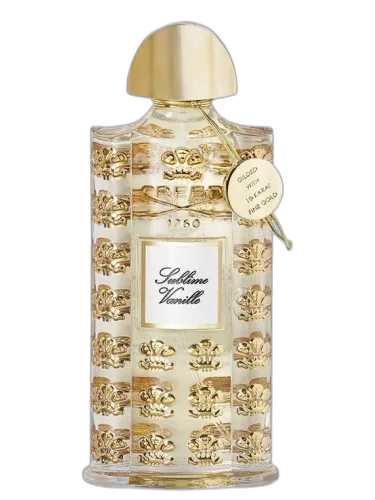
Creed
Sublime Vanille Creed
Shared heart notes: jasmine

Neil Morris
Spirit Of Water Neil Morris
Shared heart notes: jasmine