


Vanillie Nuancielo
At a glance
Is Vanillie Nuancielo worth trying?
Vanillie by Nuancielo is a Oriental Vanilla fragrance for women and men.
- Best match
- Evening wear in Winter
- Performance feel
- Very Good longevity with Moderate sillage
- Signature profile
- vanilla, woody, sweet with Rum, Myrrh, Coriander
The first impression
Vanillie by Nuancielo is a Oriental Vanilla fragrance for women and men. Vanillie was launched in 2019. Top notes are Rum, Myrrh, Coriander, Orange, Olibanum, Amalfi Lemon and Saffron; middle notes are Coffee, Barley, Plum, Narcissus, Rose, Artemisia and Frangipani; base notes are Madagascar Vanilla, Tobacco, Mahogany, Suede, Violet, Oakmoss and Patchouli.
What shapes the scent
The perfumer behind it

Nuancielo
Nuancielo crafts fragrances with a focus on warm, comforting notes like vanilla, as seen in Vanillie Nuancielo. Their compositions often highlight rich, gourmand accords with a smooth, inviting character. The brand's approach leans toward accessible yet distinctive scents that feel familiar yet thoughtfully crafted. Nuancielo's work resonates with those who appreciate cozy, well-balanced fragrances.
Notes pyramid
Top Notes
First impression · 15-30 min
 Rum
Rum
 Myrrh
Myrrh
 Coriander
 Orange
Olibanum
Orange
Olibanum
 Amalfi Lemon
 Saffron
Heart Notes
Core character · 2-4 hours
 Coffee
 Barley
 Plum
Plum
 Narcissus
 Rose
Rose
 Artemisia
 Frangipani
Base Notes
Lasting impression · 4+ hours
Madagascar Vanilla
 Tobacco
 Mahogany
 Suede
Suede
 Violet
 Oakmoss
 Patchouli
The mood it creates
The Innocent Archetype: Portrait of Vanillie Nuancielo
Essence
To love Vanillie Nuancielo is to embrace warmth as both a scent and a way of being. This fragrance-soft yet persistent, sweet but never cloying-belongs to those who seek comfort not only for themselves but for others. The wearer is, at their core, a Nurturer, an archetype rooted in the maternal, the protective, and the sustaining. They are the ones who create sanctuaries-whether in their homes, their friendships, or their philosophies.
Yet, like all archetypes, the Nurturer is not without duality. Their light is the hearth-fire, but their shadow is the smothering embrace, the fear of abandonment that drives them to give too much.
Style & Aesthetic
Their world is tactile, inviting, and deliberately soothing. They favor textures that beg to be touched-knitted throws, worn leather books, ceramic mugs still warm from tea. Their wardrobe leans toward soft fabrics, earth-toned hues, and pieces that feel lived-in rather than stiffly curated.
In art and music, they are drawn to the nostalgic-impressionist paintings that blur reality into dream, folk songs that hum of home, poetry that whispers rather than shouts. Their taste is not one of grandeur but of intimacy; they would choose a handwritten letter over a loud proclamation any day.
Their days are marked by small ceremonies-morning coffee in their favorite chair, evening walks along familiar paths. They thrive in routine, not out of rigidity, but because repetition is a form of devotion. Home is their temple, and they are its priestess, tending to its needs with quiet satisfaction.
Yet this love of stability can calcify into resistance to change. They may cling to fading traditions, to relationships that no longer serve them, to versions of themselves they have outgrown. The Nurturer must remember that even the warmest hearth must sometimes be left behind for new horizons.
Philosophy & Values
For them, morality is not an abstract debate but a daily practice. They believe in the small kindnesses-the shared meal, the remembered birthday, the patient listening. Their philosophy is one of presence: to be there, fully, for those they love.
Yet this devotion can become a quiet tyranny. They may mistake self-sacrifice for virtue, forgetting that to nurture others, one must also nurture oneself. Their greatest fear is being unneeded, and so they sometimes cling to relationships long after they have turned hollow.
Relationships
Friends and lovers are drawn to them like travelers to a fire on a cold night. They have a gift for making people feel seen, for offering the exact words or gestures that heal. Their relationships are deep, often lasting decades, built on loyalty rather than fleeting passion.
But their shadow lurks in the expectation of reciprocity. They give freely, yet unconsciously, they keep score. When their care is not returned in equal measure, resentment simmers beneath their gentle exterior. They must learn that love, to be truly nourishing, cannot be transactional.
Shadow
The Nurturer’s greatest weakness is their inability to let go. They mistake control for love, fearing that if they loosen their grip, the world they have so carefully tended will unravel. They must learn that true nurturing is not ownership-it is the courage to trust, to release, to allow others (and themselves) to grow beyond the boundaries of their care.
Conclusion
When at their best, the Nurturer is a force of gentle strength. They do not dominate; they sustain. Their legacy is not in monuments but in the quiet, enduring impact of their kindness. To know them is to know what it means to be cherished.
But they must remember: even the sweetest vanilla, if left too long in the sun, can turn bitter. Their task is not just to give warmth, but to know when to step back and let the world breathe on its own.
If you like this, try these
Fragrances with a comparable profile - shared accords, notes, and character.
Tom Ford
Vanille Fatale Tom Ford
Shared top notes: coriander, myrrh, olibanum
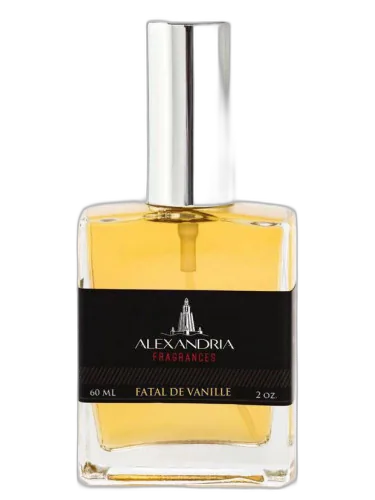
Alexandria Fragrances
Fatal De Vanille Alexandria Fragrances
Shared top notes: coriander, olibanum, orange
Tom Ford
Vanille Fatale (2024) Tom Ford
Shared top notes: coriander, saffron

Recreation
Lost In Dusk Recreation
Shared top notes: myrrh, saffron
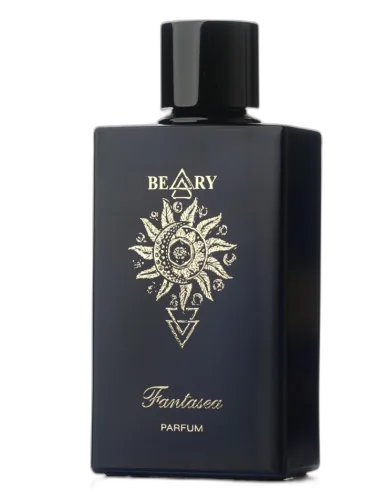
Beary
Fantasea Beary
Shared top notes: myrrh, orange, saffron