
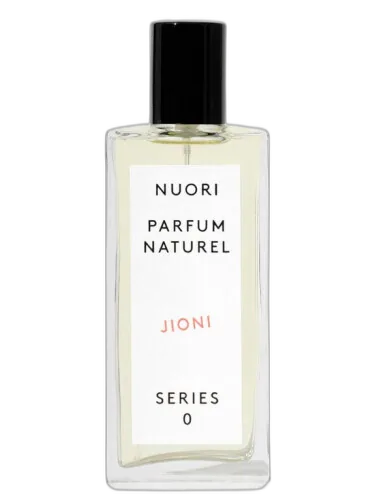

Jioni Nuori
At a glance
Is Jioni Nuori worth trying?
Jioni by Nuori is a Woody Aromatic fragrance for women and men.
- Best match
- Evening wear in Fall, Winter
- Performance feel
- Good longevity with Moderate sillage
- Signature profile
- warm spicy, woody, aromatic with Cardamom, Frankincense, Rose
The first impression
Jioni by Nuori is a Woody Aromatic fragrance for women and men. This is a new fragrance. Jioni was launched in 2024. The nose behind this fragrance is Euan McCall. Top notes are Cardamom and Frankincense; middle notes are Rose and Ylang-Ylang; base notes are Fir, Sandalwood, Cedarwood, Oakmoss and Vetiver.
What shapes the scent
The perfumer behind it

Euan McCall
Euan McCall is a perfumer with a diverse portfolio spanning Azman, BeauFort London, and Jorum Studio. His creations include Where We Used To Live, Cape Wrath, Pyroclasm, The Grudge, Arborist, Askr, Athenaeum, and Boswellia Scotia. His work often explores atmospheric, narrative-driven compositions with bold and unconventional elements.
Notes pyramid
Top Notes
First impression · 15-30 min
 Cardamom
 Frankincense
Heart Notes
Core character · 2-4 hours
 Rose
Rose
 Ylang-Ylang
Base Notes
Lasting impression · 4+ hours
 Fir
Fir
 Sandalwood
Cedarwood
Sandalwood
Cedarwood
 Oakmoss
 Vetiver
The mood it creates
The Mystic Archetype: Portrait of Jioni Nuori
Essence
The Mystic archetype seeks the hidden threads that connect all things, finding the sacred in the ordinary. Jioni Nuori, with its Swahili name meaning "evening," is a fragrance of twilight transition, where the boundaries between the material and the spiritual blur. The opening of cardamom and frankincense is an invocation, a ritual smoke that clears the mind. The heart of rose and ylang-ylang is a whisper of divine love, while the deep base of fir, oakmoss, and vetiver grounds the experience in the ancient earth.
Style & Aesthetic
Their style is timeless and layered, often incorporating natural fibers, deep jewel tones, and textures like velvet, wool, and raw silk. They favor pieces that feel like heirlooms or found objects, with a subtle, unplaceable elegance. Their home is a sanctuary filled with plants, crystals, books on philosophy, and the lingering scent of incense. They are drawn to the imperfect and the handmade, seeing beauty in the patina of age and the marks of use.
Philosophy & Values
They believe in the interconnectedness of all life and the power of inner stillness. Their values are wisdom, compassion, and presence. They see every moment as an opportunity for awakening and every person as a teacher. They are drawn to contemplative practices like meditation, yoga, or walking in nature. For them, the ultimate goal is not acquisition but understanding, and they seek to live in alignment with a deeper, often unspoken, truth.
Relationships
In relationships, the Mystic is a deep listener and a calm presence. They are not interested in superficial chatter, but in soul-to-soul connection. They can be intensely private, guarding their inner world, but once trust is established, they offer profound loyalty and insight. They are drawn to others who are on their own spiritual journey, and they value a partner who respects their need for solitude and contemplation. Their love is a quiet, steady flame, not a roaring fire.
Lifestyle
Their daily life is structured around rituals that create a sense of sacred space. They might begin the day with a meditation or a gratitude journal, and end it with a cup of herbal tea and a few pages of a spiritual text. They are likely to be found in bookshops, botanical gardens, or quiet cafes. Their work, whether as a therapist, artist, or teacher, is an extension of their inner practice. They move through the world with a deliberate slowness, savoring each moment.
Shadow
The shadow of the Mystic is a tendency toward detachment that can become disconnection. They may use spirituality as a way to avoid the messiness of human emotion and the demands of the material world. Their desire for peace can lead to passivity, and they may fail to act when action is needed. The deep woods of their fragrance can become a place of isolation if they forget that the sacred is also found in the mundane, in the laughter of friends and the grit of daily life.
Conclusion
Jioni Nuori is a fragrance for the threshold, the moment when day gives way to night and the veil between worlds grows thin. It is the scent of incense in a quiet room, of a forest at dusk, of a heart open to the mystery. For the Mystic, this perfume is a tool for remembrance, a way to carry the sacred into every hour. It is the evening prayer made tangible, a reminder that the deepest truths are often found in the silence between words.
If you like this, try these
Fragrances with a comparable profile - shared accords, notes, and character.

Celine
Fever Pour Homme Celine
Shared top notes: cardamom

Art Deco Perfumes
Chypre Elementary Art Deco Perfumes
Shared heart notes: rose, ylang-ylang
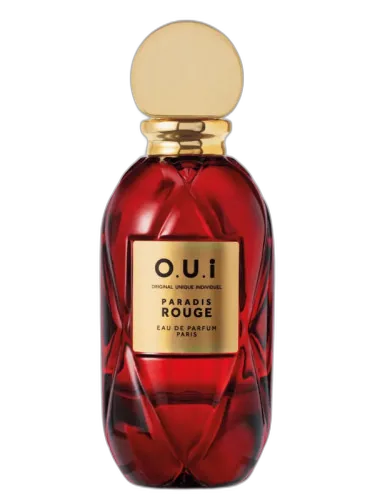
O.U.i Original Unique Individual
Paradis Rouge O.u.i Original Unique Individual
Shared top notes: cardamom

Dear Diary
Longevity Of Life Dear Diary
Shared heart notes: rose, ylang-ylang

Thera Cosméticos
Reserve Thera Cosméticos
Shared top notes: cardamom, frankincense