
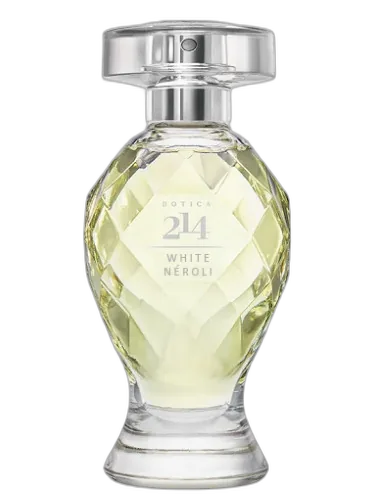

214 White Néroli O Boticário
Fragrance Story
214 White Néroli by O Boticário is a Floral fragrance for women. 214 White Néroli was launched in 2019. The nose behind this fragrance is Alienor Massenet.
Composition Profile
About the Perfumer

Alienor Massenet
Alienor Massenet is a French perfumer known for her work with major fragrance houses, including Givaudan. Her style balances modern elegance with subtle complexity, often highlighting floral and woody contrasts. Notable creations include the luminous Rose Lumiere for Armand Basi and the enigmatic Black Swan for Brocard.
Fragrance Notes
All Notes
Complete scent profile
 Tunisian Neroli
Italian Mandarin
Tunisian Neroli
Italian Mandarin
214 White Néroli O Boticário by O Boticário offers a distinctive olfactory experience that stands out from other fragrances in its category.
Crafted with the finest ingredients and a blend of traditional and modern perfumery techniques, this fragrance represents the pinnacle of the perfumer's art.
214 White Néroli O Boticário embodies the distinctive style of O Boticário while adding a unique chapter to their fragrance portfolio.
Character Profile
The Lover Archetype: Portrait of 214 White Néroli O Boticário
Essence
This person is most closely aligned with The Innocent-an archetype defined by purity, optimism, and a deep yearning for harmony. The Innocent seeks beauty in simplicity, trusts in the goodness of life, and moves through the world with an almost childlike wonder. The fragrance they choose, 214 White Néroli, reflects this: a luminous blend of neroli, bergamot, and white musk, evoking freshness, clarity, and an understated elegance.
Yet, like all archetypes, The Innocent has its shadow-naivety, an avoidance of harsh truths, and a tendency to idealize. The wearer of this scent is no exception; their love of light may blind them to the necessary darkness.
Shadow
Their greatest strength-their ability to see beauty-can also be their undoing. They sometimes mistake avoidance for serenity, refusing to acknowledge anger, envy, or despair. When life wounds them, they retreat further into their aesthetic refuge, polishing surfaces while cracks deepen beneath.
They may also struggle with disillusionment. The Innocent’s faith in goodness makes betrayal especially devastating. A broken trust, a harsh reality they cannot soften-these can send them into a crisis, forcing them to either mature or become bitter in secret.
Yet, when balanced, they are a rare force of renewal. Their presence reminds others that joy is not foolish, that grace is not weakness. They are the ones who, after a storm, will point to the first ray of sunlight breaking through the clouds.
Conclusion
Their tastes are refined but never ostentatious. They prefer clean lines, natural fabrics, and muted colors-whites, creams, soft blues-mirroring the crispness of their fragrance. Their home is a sanctuary of minimalism, where sunlight filters through sheer curtains, and every object has intention. They are drawn to art that whispers rather than shouts: Impressionist paintings, haiku poetry, the quiet melancholy of Chopin’s nocturnes.
Philosophically, they believe in kindness as a guiding principle. They are not naive enough to think the world is without cruelty, but they refuse to let it harden them. Their optimism is a choice, a discipline. They value authenticity, gentleness, and moments of stillness-morning tea in silence, the scent of rain on warm pavement.
In relationships, they are the confidant, the one who listens without judgment. Friends come to them for solace, drawn by their calming presence. Yet, their avoidance of conflict can make them passive; they may endure toxic dynamics rather than disrupt the peace. Their romantic partners often adore them for their warmth but may grow frustrated by their reluctance to engage in deeper, messier emotions.
Similar Fragrances
Fragrances with a comparable profile - shared accords, notes, and character.
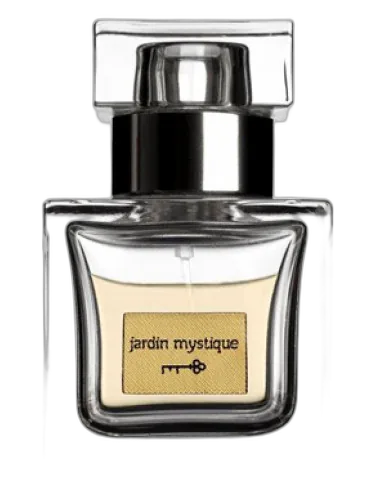
Friedemodin
Jardin Mystique Friedemodin
Shared accords: citrus, fresh, green
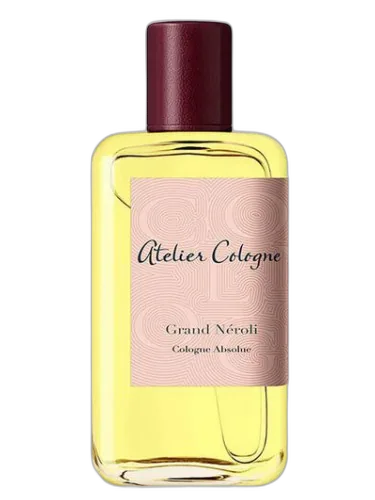
Atelier Cologne
Grand Neroli Atelier Cologne
Shared accords: citrus, fresh, green
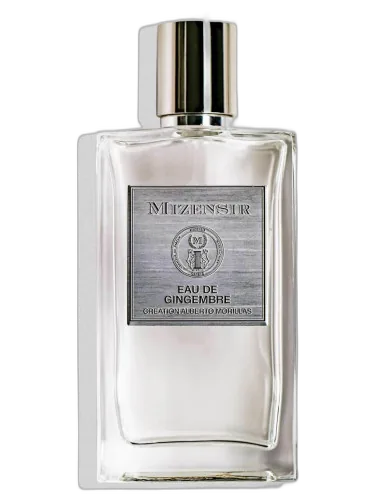
Mizensir
Eau De Gingembre Mizensir
Shared accords: citrus, fresh, green

Guerlain
Aqua Allegoria Bouquet De Mai Guerlain
Shared accords: citrus, fresh, green
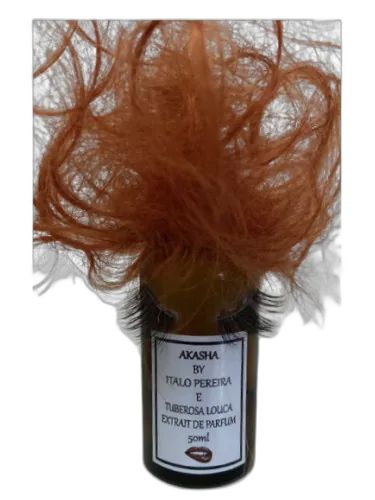
Ítalo Pereira
Akasha By Ítalo Pereira E Tuberosa Louca Ítalo Pereira
Shared accords: citrus, fresh, green