


Accordes Harmonia O Boticário
Fragrance Story
Accordes Harmonia by O Boticário is a Floral Aldehyde fragrance for women. Accordes Harmonia was launched in 2006. The nose behind this fragrance is Adilson Rato. Top notes are Petitgrain, Kumquat, Kiwi and Mandarin Orange; middle notes are Violet, Lily-of-the-Valley, Jasmine, Freesia, Ylang-Ylang and Angelica; base notes are Musk, Sandalwood, Tonka Bean, oak moss, Vetyver, Amber and Virginia Cedar.
Composition Profile
About the Perfumer

Adilson Rato
Adilson Rato is a Brazilian perfumer known for his extensive work with Avon, where he has created many of the brand's popular fragrances. His style often balances fresh, energetic accords with warm, sensual undertones, making his scents versatile and widely appealing. Notable creations include Avon's Alpha, Attraction, and Herstory lines, as well as the limited-edition Musk + Storm.
Fragrance Notes
Top Notes
First impression · 15-30 min
 Petitgrain
 Kumquat
 Kiwi
Kiwi
 Mandarin Orange
Heart Notes
Core character · 2-4 hours
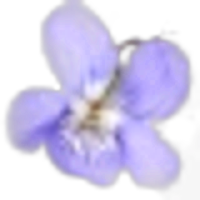 Violet
 Lily-of-the-Valley
 Jasmine
 Freesia
 Ylang-Ylang
 Angelica
Base Notes
Lasting impression · 4+ hours
 Musk
Musk
 Sandalwood
 Tonka Bean
 oak moss
Vetyver
oak moss
Vetyver
 Amber
Virginia Cedar
Amber
Virginia Cedar
Character Profile
The Lover Archetype: Portrait of Accordes Harmonia O Boticário
Essence
Accordes Harmonia by O Boticário is a fragrance of balance-soft florals intertwined with woody warmth, a scent that suggests both serenity and sensuality. The person who cherishes this fragrance is drawn to harmony in all things, not as a passive observer but as an active seeker of beauty, connection, and equilibrium. They embody the Lover archetype, not in its most hedonistic or romanticized form, but as one who understands that love-of people, experiences, and life itself-is the truest path to meaning.
Their philosophy is one of synthesis, not division. They dislike harsh dichotomies-reason versus emotion, tradition versus progress-and instead seek the subtle interplay between them. They believe that life’s richness lies in its contradictions, and they navigate these with an intuitive grace. Their aesthetic reflects this: their style is neither minimalist nor extravagant but carefully curated, blending textures, colors, and eras in a way that feels effortless yet deliberate.
They are drawn to art that evokes emotion without sentimentality-impressionist paintings, ambient music, poetry that lingers in the mind like a half-remembered dream. They prefer conversation that meanders rather than debates that force conclusions. Their home is a sanctuary, filled with objects that hold meaning-a well-worn book, a vase of wildflowers, a candle that smells of distant lands.
Relationships
They do not collect people; they cultivate connections. Their friendships are few but profound, built on mutual understanding rather than convenience. In love, they are neither possessive nor indifferent-they seek a partner who appreciates their need for both intimacy and independence. They are not afraid of solitude, but they thrive in the presence of those who stimulate their mind and soul.
Yet, their shadow lurks in their idealism. They can become disillusioned when reality fails to match their vision of harmony. A friendship that turns transactional, a love that grows stagnant-these wounds cut deeper for them than for most, because they invest so much of themselves in the belief that beauty and connection should be eternal.
Shadow
Their greatest flaw is not passion but avoidance. When conflict arises, they may retreat into aesthetics, into the safe haven of their curated world, rather than face discord head-on. They can mistake harmony for peace, smoothing over tensions instead of resolving them. At their worst, they become passive, allowing life to happen to them rather than shaping it with conviction.
They must learn that true harmony is not the absence of struggle but the integration of it. A life without friction is a life without growth. The Lover must sometimes become the Warrior-not to destroy beauty, but to defend it.
Conclusion
They are not naive, nor are they jaded. They have seen enough of the world to know its chaos, yet they choose-daily, deliberately-to seek the threads that bind rather than the forces that divide. Their fragrance, Accordes Harmonia, is more than a scent; it is a manifesto. A quiet declaration that even in a fractured world, harmony is possible-not as a given, but as a practice.
They are the Lover, not as a figure of pure romance, but as one who understands that to love life is to embrace its dissonances and resolve them into something greater. Their existence is proof that beauty is not frivolous-it is essential.
Similar Fragrances
Fragrances with a comparable profile - shared accords, notes, and character.

Shania Twain
Shania Starlight Shania Twain
Shared accords: amber, citrus, floral

Victorio & Lucchino
Viva! Victorio & Lucchino
Shared accords: citrus, floral, fresh

La Rive
Donna La Rive
Shared accords: aromatic, citrus, floral
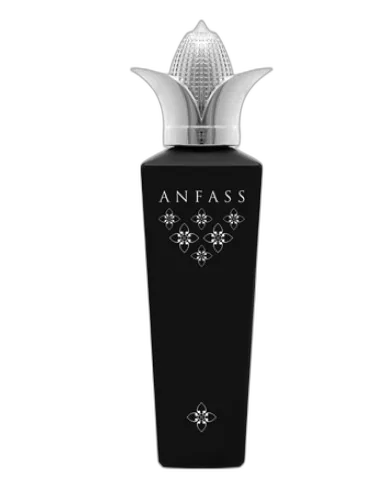
Anfas
Salam 2014 Anfas
Shared accords: amber, citrus, floral
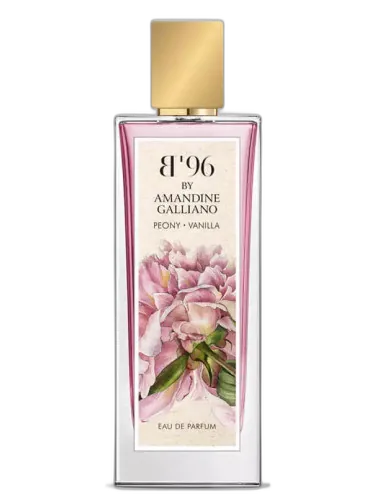
B96
Peony Vanilla B96
Shared accords: amber, citrus, floral