


Ameixa O Boticário
Fragrance Story
Ameixa by O Boticário is a Oriental fragrance for women. Ameixa was launched in 2018. Top notes are Plum, Orange Blossom, Peach, Nectarine, Bergamot and Orange; middle notes are Almond, Raspberry, Freesia and Yogurt; base notes are Heliotrope, Vanilla, Sandalwood and Tolu Balsam.
Composition Profile
About the Perfumer

Unknown Perfumer
Fragrance Notes
Top Notes
First impression · 15-30 min
 Plum
Plum
 Orange Blossom
 Peach
Peach
 Nectarine
 Bergamot
 Orange
Heart Notes
Core character · 2-4 hours
 Almond
 Raspberry
 Freesia
 Yogurt
Base Notes
Lasting impression · 4+ hours
 Heliotrope
 Vanilla
 Sandalwood
 Tolu Balsam
Character Profile
The Lover Archetype: Portrait of Ameixa O Boticário
Essence
The person who cherishes Ameixa O Boticário is most closely aligned with The Lover archetype-a figure who seeks beauty, pleasure, and deep emotional connection. This archetype is sensual, romantic, and attuned to the aesthetics of life, valuing harmony in both relationships and surroundings. Yet, like all archetypes, The Lover has a shadow-indulgence, dependency, and a tendency to lose themselves in the pursuit of passion.
Relationships
In love, they are both generous and demanding. They give affection freely, but they also expect their partners to reciprocate with equal fervor. Their relationships are rarely casual; they seek depth, passion, and a sense of shared aesthetic. They are the kind of lover who remembers anniversaries with handwritten letters and small, meaningful gifts-not out of obligation, but because they find joy in the ritual of romance.
Yet, their devotion can sometimes border on possessiveness. The shadow of The Lover is the fear of abandonment, which may lead them to cling too tightly or idealize their partners beyond reason. When love falters, they suffer deeply, as their identity is often intertwined with their relationships.
Shadow
Their greatest strength-their capacity for deep feeling-can also be their downfall. When unbalanced, they may indulge in excess-whether in romance, luxury, or even melancholy. They might lose themselves in daydreams, avoiding the harsher realities of life. There is a danger of becoming too passive, waiting for beauty to come to them rather than forging their own path.
Yet, even in their flaws, there is a kind of nobility. Their suffering is not shallow self-pity, but the ache of one who feels too much. And when they learn to temper their idealism with wisdom, they become not just lovers of life, but true artists of living.
Conclusion
Their world is one of curated elegance, where every detail-from the texture of their clothing to the arrangement of their living space-reflects a refined sensibility. They are drawn to rich, warm colors, soft fabrics, and objects that invite touch. Their taste in music leans toward the melodic and emotive-perhaps bossa nova, classical piano, or soulful jazz-anything that stirs the heart.
Philosophically, they believe life should be lived with intensity and appreciation. They reject the cold pragmatism of the modern world, favoring instead a worldview where pleasure is not frivolous but essential. Their values center on connection-whether through love, friendship, or art-and they often serve as the emotional anchor in their social circles.
Similar Fragrances
Fragrances with a comparable profile - shared accords, notes, and character.

Britney Spears
Midnight Fantasy Britney Spears
Shared accords: almond, floral, fruity
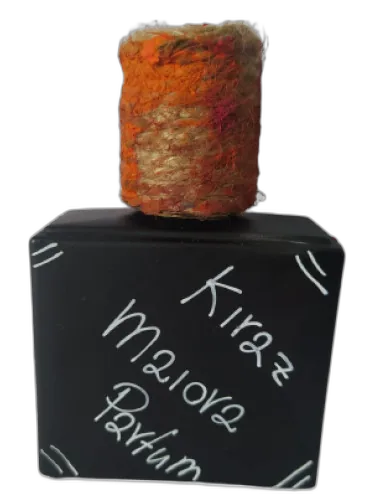
Maiora Parfum
Kiraz Extrait De Parfum Maiora Parfum
Shared accords: almond, floral, fruity

Bottega Veneta
Parco Palladiano Iv: Azalea Bottega Veneta
Shared accords: citrus, floral, fruity

Lancôme
La Nuit Trésor Musc Diamant Lancôme
Shared accords: almond, floral, fruity
Zara
Zara Woman Freesia & Vanilla Zara
Shared accords: almond, floral, fruity