


Betterave O Boticário
Fragrance Story
Betterave by O Boticário is a Oriental Woody fragrance for women and men. This is a new fragrance. Betterave was launched in 2024. The nose behind this fragrance is Quentin Bisch. Top notes are Pink Pepper and Mandarin Orange; middle notes are Beetroot and Cashmeran; base notes are Madagascar Vanilla, Patchouli and Ambrette.
Composition Profile
About the Perfumer

Quentin Bisch
Quentin Bisch is a French perfumer known for his work with major houses like Amouage and Al-Jazeera Perfumes. His creations include Amouage Guidance, Purpose, and Existence, as well as Sidra Wood for Al-Jazeera Perfumes. Bisch often employs modern, minimalist structures with a focus on woody and amber accords.
Fragrance Notes
Top Notes
First impression · 15-30 min
 Pink Pepper
 Mandarin Orange
Heart Notes
Core character · 2-4 hours
 Beetroot
 Cashmeran
Base Notes
Lasting impression · 4+ hours
 Madagascar Vanilla
 Patchouli
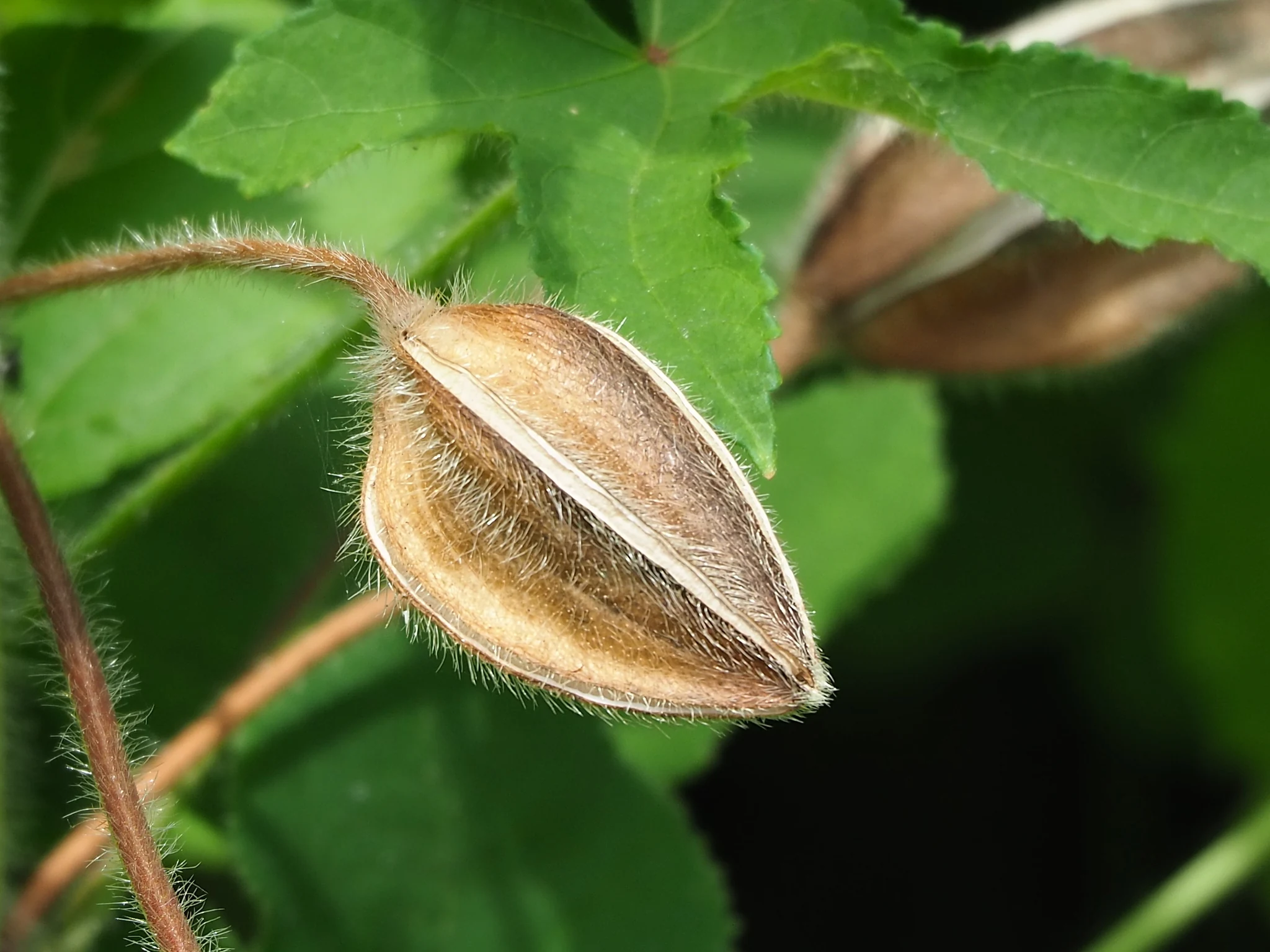 Ambrette
Betterave O Boticário by O Boticário offers a distinctive olfactory experience that stands out from other fragrances in its category.
Crafted with the finest ingredients and a blend of traditional and modern perfumery techniques, this fragrance represents the pinnacle of the perfumer's art.
Betterave O Boticário embodies the distinctive style of O Boticário while adding a unique chapter to their fragrance portfolio.
Character Profile
The Lover Archetype: Portrait of Betterave O Boticário
Essence
To wear Betterave O Boticário is to embrace a fragrance that is bold, fruity, and unapologetically vibrant-much like the person who chooses it. This scent, with its rich beetroot accord and sweet, earthy depth, speaks to a personality that thrives on intensity, pleasure, and the full-bodied experience of life. The archetype that most defines them is The Lover-a figure who seeks beauty, connection, and sensory fulfillment above all else. Yet, like all archetypes, this one casts a shadow: where there is passion, there can also be excess; where there is devotion, there can be dependency.
Style & Aesthetic
Their world is one of textures, flavors, and colors-a carefully curated existence where every detail is chosen for its ability to evoke pleasure. They dress with deliberate sensuality, favoring fabrics that drape and flow, colors that pulse with warmth (deep reds, velvety purples, burnt oranges). Their home is an extension of this philosophy: sumptuous throws, low lighting, music that hums with rhythm. They are drawn to art that stirs the body before the mind-Baroque paintings, jazz, the poetry of Neruda.
They do not merely consume beauty; they worship it. A meal is not just sustenance but a ritual; a conversation is not just exchange but an act of communion. Their philosophy is simple yet profound: to feel deeply is to live fully. They reject asceticism, seeing it as a denial of life’s richness. Yet this very rejection can tip into hedonism-when pleasure becomes compulsion rather than celebration.
Relationships
In love, they are both radiant and consuming. They adore with abandon, their affection expressed through touch, gifts, and words that linger like perfume on the skin. To be loved by them is to be seen in high definition-every flaw and virtue illuminated. But this intensity can overwhelm; not everyone can match their depth of feeling. Their shadow emerges when love turns possessive, when the fear of losing what they cherish makes them cling too tightly.
Friendships, too, are marked by loyalty and fervor. They are the confidant who remembers every birthday, the one who plans elaborate gatherings just to see others smile. Yet they can resent those who do not reciprocate their emotional labor, withdrawing into wounded pride when their efforts go unappreciated.
Shadow
The Lover’s greatest strength-their capacity for devotion-can also be their undoing. They risk losing themselves in their pursuits of pleasure, mistaking intensity for meaning. There is a hunger beneath their elegance, a fear that without constant stimulation, life might reveal itself as hollow. They may overindulge-in romance, in luxury, in drama-simply to avoid stillness.
Their challenge is to temper their ardor with wisdom, to recognize that not every experience must be ecstatic to be worthwhile. The mundane, the quiet, the unadorned moments-these too have value, if they can learn to see it.
Conclusion
To encounter them is to be reminded that life is not merely endured but savored. They are the ones who insist on dessert, who dance when the music is too slow, who find the sublime in the ordinary. Their flaw is their refusal to accept limits-but is this not also their gift? In a world that often favors restraint, they are a living testament to the power of desire.
Yet even they must confront the truth: passion, unchecked, can burn as easily as it illuminates. Their journey is not to renounce their nature but to master it-to love without losing themselves, to revel without ruin. In this balance, they may find not just pleasure, but true depth.
Similar Fragrances
Fragrances with a comparable profile - shared accords, notes, and character.
O Boticário
Betterave O Boticário
Shared accords: citrus, earthy, musky

Corinne Cobson
Love Etc Corinne Cobson
Shared accords: citrus, musky, powdery

Eudora
For Life Eudora
Shared accords: earthy, patchouli, powdery

Nikkos-Oskol Fragrance
Fragrance №10 Nikkos-oskol Fragrance
Shared accords: earthy, musky, patchouli

Astrophil & Stella
8 Days A Week Astrophil & Stella
Shared accords: citrus, musky, patchouli