
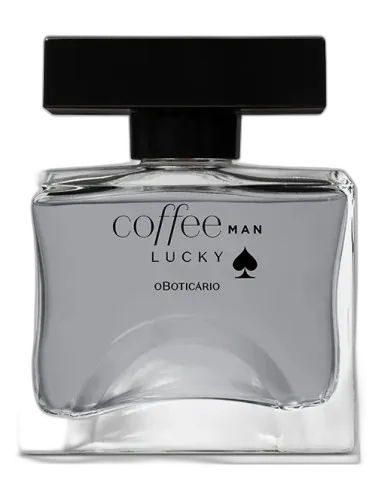

Coffe Lucky Man O Boticário
Fragrance Story
Coffe Lucky Man by O Boticário is a Aromatic fragrance for men. Coffe Lucky Man was launched in 2021. Coffe Lucky Man was created by Carlos Benaïm, Nicolas Beaulieu, Christian Alori and Napoleão Bastos. Top notes are Watery Notes, Pink Pepper, Green Leaves, Black Pepper, Juniper Berries, Cardamom, Bergamot and Mandarin Orange; middle notes are Lavender, Violet, Geranium and Cypriol Oil or Nagarmotha; base notes are Oakmoss, Patchouli, Sandalwood, Amber, Cashmeran and Trimofix®.
Composition Profile
About the Perfumer
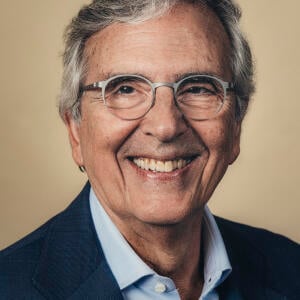
Carlos Benaïm
Carlos Benaïm is a perfumer with a diverse portfolio spanning A Lab on Fire, Alfred Dunhill, and Aramis. He created Liquidnight for A Lab on Fire and Century for Alfred Dunhill. His work also includes Quorum for Antonio Puig and Havana Pour Elle for Aramis.
Fragrance Notes
Top Notes
First impression · 15-30 min
 Watery Notes
 Pink Pepper
Green Leaves
Black Pepper
Juniper Berries
Pink Pepper
Green Leaves
Black Pepper
Juniper Berries
 Cardamom
 Bergamot
 Mandarin Orange
Heart Notes
Core character · 2-4 hours
 Lavender
 Violet
 Geranium
 Cypriol Oil or Nagarmotha
Base Notes
Lasting impression · 4+ hours
 Oakmoss
 Patchouli
 Sandalwood
 Amber
Amber
 Cashmeran
 Trimofix®
Character Profile
The Alchemist Archetype: Portrait of Coffe Lucky Man O Boticário
Essence
To wear Coffe Lucky Man O Boticário is to embrace an aroma that is warm, grounded, and subtly magnetic-a fragrance that blends the richness of coffee with woody and spicy undertones. The man who chooses this scent is not one for ostentation, nor does he chase fleeting trends. Instead, he is drawn to the alchemy of the ordinary, finding depth in the rituals of daily life. His archetype is The Alchemist-the seeker who transforms the mundane into the meaningful, who distills wisdom from experience, and who values substance over spectacle.
Style & Aesthetic
His aesthetic is understated but deliberate. He favors well-made, timeless pieces-a leather jacket that ages with him, a watch that marks the hours without shouting for attention. His wardrobe is a study in muted tones, with occasional flashes of warmth: a deep burgundy scarf, a pair of boots that have seen years of use. He is not a man of excess; every object he owns serves a purpose, yet each carries a story.
In music, he gravitates toward jazz or blues-genres that balance structure with spontaneity. He might enjoy the raw honesty of Tom Waits or the smoky sophistication of Chet Baker. His reading habits lean toward philosophy, noir fiction, or memoirs of those who have lived boldly but without fanfare.
He is not a man of many words, but when he speaks, his words carry weight. His humor is dry, his insights sharp. In love, he is neither possessive nor indifferent-he seeks a partner who respects solitude as much as togetherness, someone who understands that silence can be as intimate as conversation.
His home is a sanctuary, not a stage. It is filled with objects that have meaning: a shelf of well-thumbed books, a record player that crackles to life on Sunday mornings, a kitchen where he experiments with recipes, turning simple ingredients into something nourishing. He is not a hermit, but he values his solitude-it is where he recharges, where he thinks, where he becomes himself again.
Philosophy & Values
His worldview is one of quiet intensity. He does not believe in grand proclamations of purpose but rather in the slow, deliberate cultivation of a life well-lived. Coffee is not merely a drink to him; it is a ritual, a moment of pause in a world that moves too fast. He sees magic in the ordinary-the steam rising from a cup, the hum of conversation in a café, the weight of a well-worn book in his hands. His philosophy is pragmatic yet poetic: life is not about escaping reality but about deepening one’s presence within it.
He values authenticity above all. Pretense repels him, and he has little patience for those who wear masks to impress. His friendships are few but enduring, built on mutual respect rather than convenience. He is drawn to people who, like him, appreciate the quiet strength of sincerity.
Shadow
Yet, for all his wisdom, the Alchemist is not without his flaws. His preference for depth can sometimes harden into cynicism-a dismissal of anything he deems superficial, even if it brings joy to others. He may mistake his own introspection for superiority, quietly judging those who live more lightly.
His independence, while a strength, can also isolate him. He resists vulnerability, fearing that to rely on others is to lose control. At his worst, he becomes a recluse, mistaking solitude for self-sufficiency and forgetting that even the most self-contained souls need connection.
Conclusion
When he is at his best, he is a grounding force-a man who reminds others to slow down, to savor, to find meaning in the small things. His presence is steadying, his insights illuminating. But when his shadow takes over, he risks becoming rigid, mistaking his own depth for the only truth worth knowing.
The scent of Coffe Lucky Man lingers like his influence-subtle but enduring, a reminder that the most profound lives are often the quietest ones. He is not a hero in the traditional sense, but in a world that races toward distraction, his ability to find gold in the ordinary is its own kind of magic.
Similar Fragrances
Fragrances with a comparable profile - shared accords, notes, and character.
O Boticário
Coffe Lucky Man O Boticário
Shared accords: aquatic, aromatic, earthy

Frank Los Angeles
Frank No.1 Frank Los Angeles
Shared accords: aromatic, fresh spicy, green
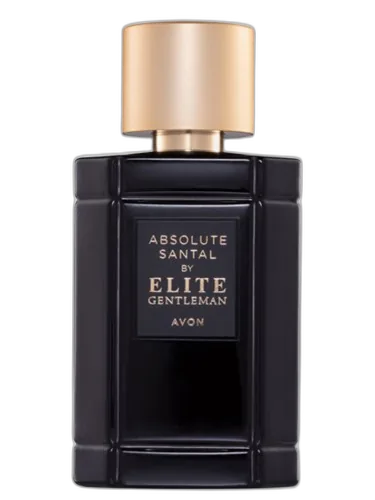
Avon
Absolute Santal By Elite Gentleman Avon
Shared accords: aromatic, earthy, fresh spicy

Reyane Tradition
Les Eternels Volver Reyane Tradition
Shared accords: aromatic, earthy, fresh spicy
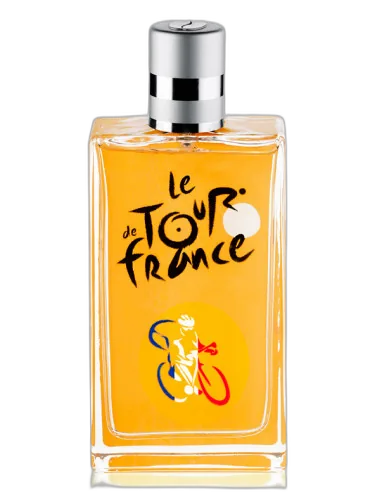
Le Tour de France
Le Tour De France Le Tour De France
Shared accords: aromatic, earthy, fresh spicy