


Matcha O Boticário
Fragrance Story
Matcha by O Boticário is a Aromatic Green fragrance for women and men. Matcha was launched in 2020. The nose behind this fragrance is Marilia Zavisas Duarte. Top notes are Green Leaves, Lime, Lemongrass, Calabrian bergamot, Yuzu, Artemisia and Sage; middle notes are Matcha Tea, Pear, Lily-of-the-Valley, Lavender Extract, Rose and Cardamom; base notes are Musk, Sandalwood, Vanilla and Tonka Bean.
Composition Profile
About the Perfumer

Marilia Zavisas Duarte
Marilia Zavisas Duarte is a Brazilian perfumer who has created fragrances for O Boticário. Her catalog includes Matcha O Boticário and Rosé O Boticário. She focuses on modern, wearable compositions that appeal to a broad audience.
Fragrance Notes
Top Notes
First impression · 15-30 min
 Green Leaves
 Lime
Lime
 Lemongrass
Calabrian bergamot
Lemongrass
Calabrian bergamot
 Yuzu
Yuzu
 Artemisia
 Sage
Sage
Heart Notes
Core character · 2-4 hours
 Matcha Tea
 Pear
Pear
 Lily-of-the-Valley
Lavender Extract
Lily-of-the-Valley
Lavender Extract
 Rose
Rose
 Cardamom
Base Notes
Lasting impression · 4+ hours
 Musk
Musk
 Sandalwood
 Vanilla
 Tonka Bean
Matcha O Boticário by O Boticário offers a distinctive olfactory experience that stands out from other fragrances in its category.
Crafted with the finest ingredients and a blend of traditional and modern perfumery techniques, this fragrance represents the pinnacle of the perfumer's art.
Matcha O Boticário embodies the distinctive style of O Boticário while adding a unique chapter to their fragrance portfolio.
Character Profile
The Lover Archetype: Portrait of Matcha O Boticário
Essence
Matcha O Boticário is a fragrance of quiet contemplation-green, earthy, and subtly sweet, evoking the stillness of a tea ceremony. It does not announce itself with brashness but lingers like a whispered truth. The person who chooses this scent is drawn to depth, refinement, and the art of restraint. They are not one for excess; they seek meaning in the understated, finding beauty in the delicate balance between nature and intellect.
This individual embodies the Sage, an archetype defined by wisdom, introspection, and a relentless pursuit of truth. Like the matcha itself-ground from whole leaves, concentrated yet serene-they value knowledge that is both profound and practical. They are the observer, the thinker, the one who listens more than they speak, yet when they do, their words carry weight.
But the Sage is not without shadows. Their love of solitude can slip into isolation; their analytical mind may overthink, turning wisdom into hesitation. They may struggle with the messiness of emotion, preferring the clarity of thought to the turbulence of feeling.
Relationships
In relationships, they are selective. They do not crave a wide circle but rather a few meaningful connections. Their friendships are built on shared intellectual pursuits, quiet companionship, and mutual respect for solitude. They are not the life of the party, but the one who engages in late-night conversations about philosophy, art, or the meaning of existence.
Romantically, they seek a partner who values depth as much as they do. They are not impulsive lovers; their affection is steady, thoughtful, expressed through acts of care rather than grand gestures. Yet, their reluctance to embrace emotional vulnerability can make them seem distant, even cold.
Shadow
The Sage’s greatest strength-their intellect-can become their prison. When overdeveloped, their mind becomes a fortress, shutting out spontaneity, passion, and the raw beauty of imperfection. They may judge others for lacking their depth, forgetting that wisdom is not only found in books but in lived experience.
At their worst, they retreat into analysis paralysis, so afraid of being wrong that they refuse to act. They may grow cynical, mistaking detachment for enlightenment, when in truth, they are merely avoiding the discomfort of engagement.
Conclusion
Their tastes reflect their inner world. They prefer minimalist aesthetics-clean lines, natural textures, muted colors. Their home is a sanctuary, filled with books, plants, and perhaps a carefully curated collection of ceramics or teas. They appreciate craftsmanship, the slow mastery of a skill, whether it be calligraphy, meditation, or brewing the perfect cup.
Philosophically, they are drawn to Eastern thought-Zen Buddhism, Taoism, or Stoicism-systems that emphasize harmony, acceptance, and the art of presence. They do not chase happiness but rather seek equilibrium, understanding that peace is found in balance, not in extremes.
Similar Fragrances
Fragrances with a comparable profile - shared accords, notes, and character.
O Boticário
Matcha O Boticário
Shared accords: aromatic, citrus, fresh spicy

L'Occitane en Provence
Verveine Fleur De Carotte L'occitane En Provence
Shared accords: aromatic, citrus, fresh spicy

Natura
Kaiak Aventura Natura
Shared accords: aromatic, citrus, fresh spicy
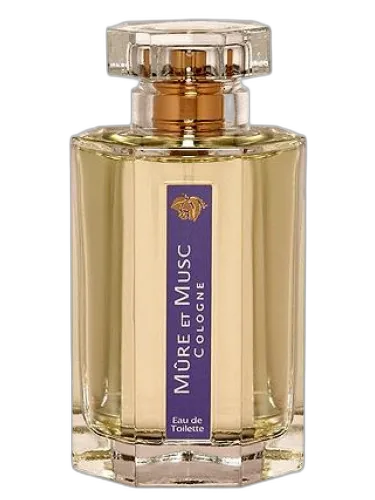
L'Artisan Parfumeur
Mure Et Musc Cologne L'artisan Parfumeur
Shared accords: aromatic, citrus, fresh spicy
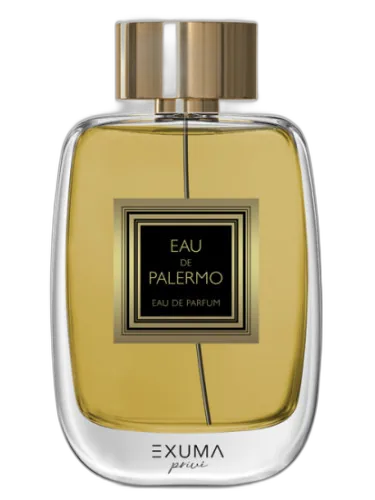
Exuma Parfums
Eau De Palermo Exuma Parfums
Shared accords: aromatic, citrus, fresh spicy