
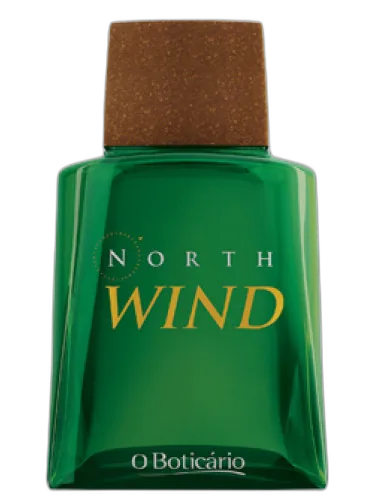

North Wind O Boticário
Fragrance Story
North Wind by O Boticário is a Aromatic fragrance for men. The nose behind this fragrance is Antonio Amador. Top note is Bergamot; middle notes are Amber, Coriander, Lavender and Geranium; base notes are Patchouli and Vetyver.
Composition Profile
About the Perfumer

Antonio Amador
Antonio Amador has created fragrances for several major Brazilian brands, including Natura, O Boticário, and Ésika. His portfolio includes Natura's Horus and Revelar, O Boticário's Connexion and North Wind, and Ésika's Expression and Salvaje. His work often balances modern freshness with accessible, wearable compositions.
Fragrance Notes
Top Notes
First impression · 15-30 min
 Bergamot
Heart Notes
Core character · 2-4 hours
 Amber
Amber
 Coriander
 Lavender
 Geranium
Base Notes
Lasting impression · 4+ hours
 Patchouli
 Vetyver
Character Profile
The Wanderer Archetype: Portrait of North Wind O Boticário
Essence
To wear North Wind by O Boticário is to embrace the untamed spirit-an olfactory declaration of freedom, crispness, and an unshackled mind. This fragrance, with its icy freshness and woody undertones, speaks of someone who refuses stagnation. They are the Wanderer, an archetype that embodies exploration, self-reliance, and the relentless pursuit of new horizons.
This person is not bound by convention. Their life is a series of departures-sometimes literal, often metaphorical. They move through the world with a quiet intensity, drawn to experiences rather than possessions. Their tastes are minimalist yet deliberate: they prefer uncluttered spaces, natural textures, and designs that suggest movement rather than permanence. Their wardrobe is functional, favoring layers that can be shed or added as needed-much like their own adaptability.
Philosophically, they reject dogma. They are not nihilists, but they distrust rigid systems. Their values center on autonomy, curiosity, and authenticity. They believe that truth is found in motion, not in standing still. Relationships, for them, are fluid-some are deep but transient, others linger like distant echoes. They are not cold, but they resist emotional captivity. Their love is like the wind: powerful when present, impossible to hold.
Shadow
Yet, the Wanderer’s strength is also their flaw. Their aversion to commitment can manifest as emotional detachment. They mistake movement for growth, fleeing before depth can take root. Relationships may suffer-not because they lack care, but because they fear the weight of permanence.
Their self-reliance can curdle into isolation. They may dismiss those who choose stability as weak, failing to see that roots, too, have their own kind of strength. At their worst, they become ghosts-present but intangible, leaving behind a trail of unfinished connections.
Conclusion
The Wanderer’s greatest strength is their refusal to be confined-by society, by expectations, or even by their own past. They are resilient, capable of reinvention. Their mind is sharp, attuned to patterns and shifts in the world around them. They thrive in uncertainty, finding exhilaration in the unknown.
They are often the first to challenge outdated norms, the first to leave a sinking ship, the first to venture where others hesitate. Their independence is magnetic, inspiring others to question their own chains. In conversation, they are insightful, offering perspectives unclouded by convention. They do not seek followers, but their presence often stirs restlessness in those who have grown too comfortable.
Similar Fragrances
Fragrances with a comparable profile - shared accords, notes, and character.
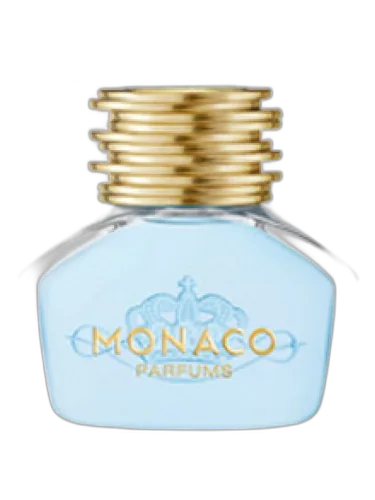
Monaco Parfums
Monaco Parfums L'eau Azur Monaco Parfums
Shared accords: amber, aromatic, earthy
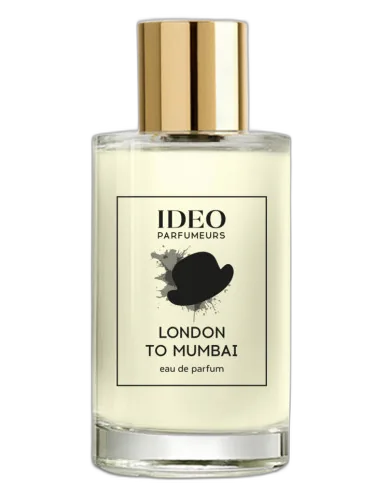
IDEO Parfumeurs
London To Mumbai Ideo Parfumeurs
Shared accords: aromatic, earthy, fresh spicy

Emporium
Extreme Emporium
Shared accords: amber, aromatic, earthy

Esprit
Celebration Happy Vibes For Him Esprit
Shared accords: amber, aromatic, fresh spicy

Inubi
Fire Inubi
Shared accords: amber, aromatic, fresh spicy