
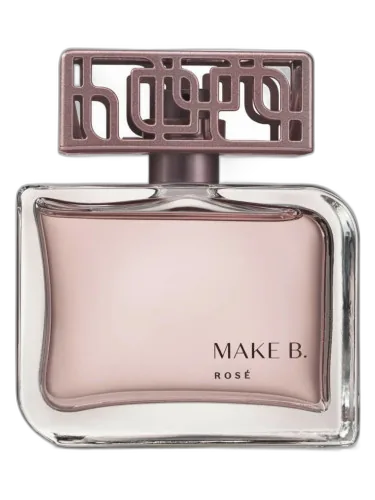

Rosé O Boticário
Fragrance Story
Rosé by O Boticário is a Chypre Floral fragrance for women. Rosé was launched in 2020. The nose behind this fragrance is Marilia Zavisas Duarte. Top notes are Damask Rose and Bergamot; middle notes are Bourbon Rose, White Rose and Labdanum; base notes are Rosa Rubiginosa, Patchouli and Oakmoss.
Composition Profile
About the Perfumer

Marilia Zavisas Duarte
Marilia Zavisas Duarte is a Brazilian perfumer who has created fragrances for O Boticário. Her catalog includes Matcha O Boticário and Rosé O Boticário. She focuses on modern, wearable compositions that appeal to a broad audience.
Fragrance Notes
Top Notes
First impression · 15-30 min
 Damask Rose
 Bergamot
Heart Notes
Core character · 2-4 hours
Bourbon Rose
White Rose
 Labdanum
Base Notes
Lasting impression · 4+ hours
 Rosa Rubiginosa
 Patchouli
 Oakmoss
Rosé O Boticário by O Boticário offers a distinctive olfactory experience that stands out from other fragrances in its category.
Crafted with the finest ingredients and a blend of traditional and modern perfumery techniques, this fragrance represents the pinnacle of the perfumer's art.
Rosé O Boticário embodies the distinctive style of O Boticário while adding a unique chapter to their fragrance portfolio.
Character Profile
The Lover Archetype: Portrait of Rosé O Boticário
Essence
To wear Rosé O Boticário is to embrace a fragrance that is soft yet assertive, floral yet subtly sweet-an olfactory declaration of someone who seeks harmony between passion and refinement. This person is not merely drawn to the scent; they embody it, their life an unfolding dance between sensuality and idealism. The archetype that defines them most profoundly is The Lover-one who lives through the heart, who finds meaning in connection, beauty, and the intoxicating pull of desire.
Style & Aesthetic
Their tastes are an extension of their longing for beauty. They favor delicate textures-silk, lace, cashmere-garments that whisper rather than shout. Their home is a sanctuary of curated elegance: fresh flowers on the table, soft lighting, perhaps a well-worn book of poetry left open on the armchair. They appreciate art that stirs emotion-Impressionist paintings, melancholic melodies, films where love is both salvation and ruin.
Yet theirs is not a passive appreciation. They engage with beauty as if it were a lover, seeking to merge with it, to let it shape them. They might write in a journal, compose music, or arrange flowers with the care of a poet arranging words. Their philosophy is one of aesthetic devotion: life must be felt deeply, or it is not lived at all.
Philosophy & Values
For them, love is not merely romance-it is the essence of existence. They believe in the transformative power of intimacy, whether in friendships, family, or fleeting encounters with strangers. Their conversations are warm, their laughter genuine, their presence a kind of magnetism. They are the confidant, the one who listens with an open heart, who remembers birthdays, who sends handwritten notes just to say, I thought of you today.
But this depth of feeling is not without its burdens. They are prone to idealization-of people, of love, of life itself. When reality fails to match their vision, they may retreat into melancholy, nursing a quiet disillusionment. Their greatest fear is not heartbreak, but indifference-the thought that their passion might go unreciprocated, that their devotion might be met with apathy.
Shadow
Where there is ecstasy, there is also vulnerability. The Lover’s shadow emerges when their need for connection becomes possessive, when their idealism curdles into sentimentality or dependency. They may cling to relationships long past their natural end, mistaking intensity for meaning. They might lose themselves in the pursuit of being desired, measuring their worth by the affection they receive rather than the love they give.
At their worst, they can be overly dramatic, turning small rejections into existential wounds. Their emotions, though genuine, sometimes lack restraint-a storm that sweeps others up whether they wish to be or not. And yet, even in their excess, there is a raw honesty that commands respect. They feel what others suppress, and in doing so, they remind the world that passion is not a weakness, but a kind of courage.
Conclusion
In the end, the devotee of Rosé O Boticário is neither naive nor frivolous. They are a philosopher of the heart, one who understands that love-in all its forms-is the closest thing to truth we have. They will always be too much for some and not enough for others, but they would rather be both than neither.
Their life is a testament to the belief that to feel deeply is to live bravely-even when it hurts, even when the world insists on numbness. And in the quiet moments, when the scent of roses lingers on their skin, they are reminded: beauty is not just something to admire. It is something to become.
Similar Fragrances
Fragrances with a comparable profile - shared accords, notes, and character.
O Boticário
Rosé O Boticário
Shared accords: amber, citrus, earthy

Yves Rocher
Comme Une Évidence Eau De Parfum Limited Edition Yves Rocher
Shared accords: citrus, earthy, floral

Yves Rocher
Comme Une Evidence L'eau De Parfum Yves Rocher
Shared accords: citrus, earthy, floral
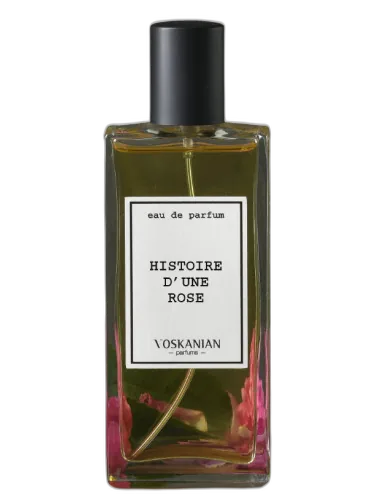
Voskanian Parfums
Histoire D'une Rose Voskanian Parfums
Shared accords: citrus, earthy, mossy
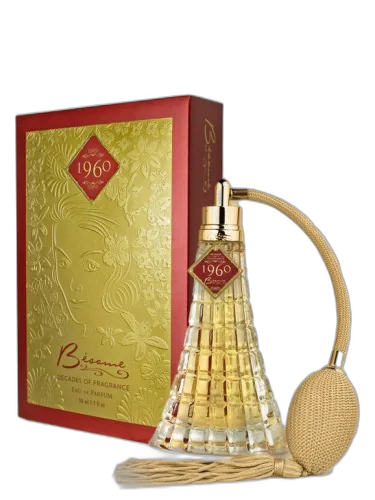
Bésame Cosmetics
1960 Bésame Cosmetics
Shared accords: citrus, earthy, floral