
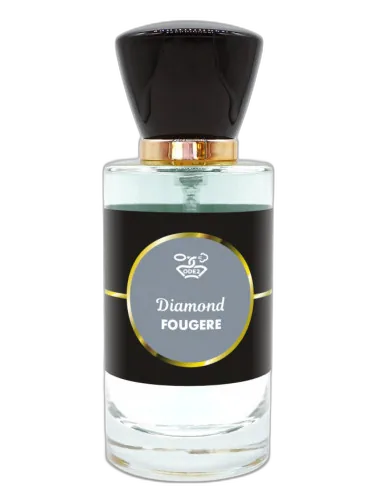

Diamond Fougere Odetu
At a glance
Is Diamond Fougere Odetu worth trying?
Diamond Fougere by Odetu is a Aromatic Fruity fragrance for women and men.
- Best match
- Any wear in Any
- Performance feel
- Good longevity with Moderate sillage
- Signature profile
- aromatic, woody, sweet with Bergamot, Pineapple, Kiwi
The first impression
Diamond Fougere by Odetu is a Aromatic Fruity fragrance for women and men. Diamond Fougere was launched in 2017. The nose behind this fragrance is Andrey Chibisov. Top notes are Bergamot, Pineapple, Kiwi and Lemon; middle notes are Lavender, Galbanum, Orchid, Rose and Nasturtium; base notes are White Cedar Extract, Tonka Bean, Musk, Amber and Sandalwood.
What shapes the scent
The perfumer behind it

Andrey Chibisov
Andrey Chibisov is a Russian perfumer known for his work with the niche brand Odetu, where he has created a diverse range of fragrances. His style often balances bold, contrasting notes, as seen in Odetu’s Black Coffee and Berry Berissimo, alongside more ethereal compositions like Aurora Borealis. He also contributed to Ladanika and Petrushka, demonstrating a versatility that spans from rich, woody scents to fresh, powdery accords.
Notes pyramid
Top Notes
First impression · 15-30 min
 Bergamot
 Pineapple
 Kiwi
Kiwi
 Lemon
Lemon
Heart Notes
Core character · 2-4 hours
 Lavender
 Galbanum
 Orchid
 Rose
Rose
 Nasturtium
Base Notes
Lasting impression · 4+ hours
 White Cedar Extract
 Tonka Bean
 Musk
Musk
 Amber
Amber
 Sandalwood
The mood it creates
The Sage Archetype: Portrait of Diamond Fougere Odetu
Essence
To wear Diamond Fougère Odetu is to embrace a fragrance that is at once refined and enigmatic-a composition of crisp bergamot, aromatic lavender, and woody vetiver, softened by a whisper of vanilla. It is neither ostentatious nor timid, but rather a scent that suggests quiet mastery, a mind that observes before it speaks. The person who chooses this fragrance is not one to chase trends; they seek the timeless, the understated, the intellectually stimulating. Their essence aligns with the Sage archetype, the thinker, the seeker of truth, the one who values wisdom above all else.
Style & Aesthetic
Their taste is deliberate, almost curated. They favor minimalist design-clean lines, muted colors, garments that suggest sophistication without demanding attention. Their wardrobe is a study in restraint: well-tailored blazers, crisp white shirts, perhaps a single piece of understated jewelry. They appreciate craftsmanship, but they are not materialistic; objects must serve a purpose, whether functional or intellectual.
In their home, books take precedence over decor. A well-worn copy of Thus Spoke Zarathustra sits beside a volume of Rilke’s poetry, while a vintage chessboard waits for a worthy opponent. They enjoy art, but only that which challenges them-abstract paintings that demand interpretation, music that defies convention.
Relationships
The Sage is not a social butterfly, but neither are they a recluse. They cultivate relationships selectively, drawn to those who stimulate their mind. Small talk bores them; they crave debates, late-night discussions about the nature of consciousness, the ethics of artificial intelligence, the meaning of suffering. Their closest friendships are built on mutual respect for intellect, though they sometimes struggle with emotional vulnerability.
In romance, they are drawn to partners who are equally independent, who do not demand constant reassurance. They admire strength of character, but their analytical nature can make them hesitant-love, after all, is not a problem to be solved. Their shadow emerges here: a tendency to overthink, to retreat into their mind when emotions become too chaotic.
Shadow
Every archetype has its dark side, and for the Sage, it is the risk of becoming too detached, too cerebral. They may dismiss emotions as irrational, retreating into logic as a defense mechanism. Their pursuit of knowledge can turn into intellectual arrogance, a belief that they are above the messiness of human folly. At their worst, they become the "ivory tower" thinker, observing life rather than living it.
They may also struggle with indecision, endlessly weighing options without ever committing. The world is full of complexities, and the Sage fears making the wrong choice-so sometimes, they make no choice at all.
Conclusion
This individual moves through life with a detached curiosity, always analyzing, always questioning. They are drawn to philosophy, literature, and the sciences-not merely as hobbies, but as frameworks for understanding existence. Their conversations are laced with references to Nietzsche’s perspectivism, Jung’s shadow work, or the paradoxes of quantum mechanics. They do not preach, but they do provoke thought, often leaving others slightly unsettled by their refusal to accept easy answers.
Their values revolve around intellectual honesty. They despise dogma, preferring the discomfort of uncertainty to the false comfort of blind faith. They believe in the power of knowledge, but they are wary of those who wield it arrogantly. To them, wisdom is not about having all the answers, but about asking the right questions.
If you like this, try these
Fragrances with a comparable profile - shared accords, notes, and character.
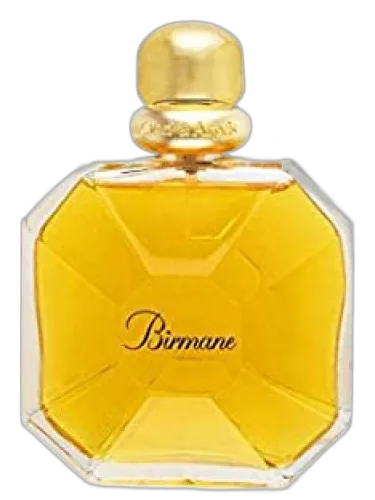
Van Cleef & Arpels
Birmane Van Cleef & Arpels
Shared top notes: bergamot, lemon, pineapple
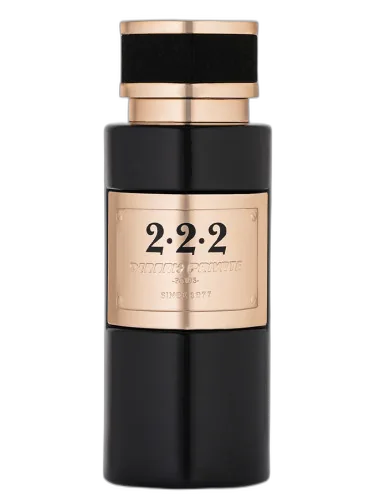
Deraah Private
222 Deraah Private
Shared top notes: bergamot, lemon

Jequiti
Luccas Neto Aventureiro Azul Jequiti
Shared top notes: lemon, pineapple
Filippo Sorcinelli
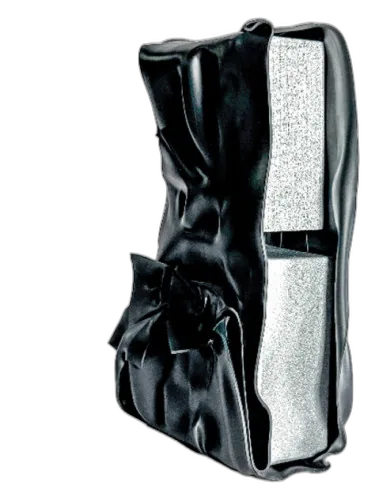
Né Il Giorno Né L'ora Filippo Sorcinelli
Shared top notes: bergamot, lemon
Music de Parfum
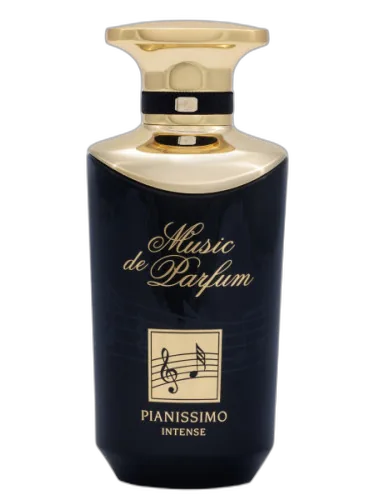
Pianissimo Music De Parfum
Shared top notes: bergamot, lemon