

Mia Terra Odetu
At a glance
Is Mia Terra Odetu worth trying?
Mia Terra by Odetu is a Woody Chypre fragrance for women and men.
- Best match
- Casual wear in Fall
- Performance feel
- Good longevity with Moderate sillage
- Signature profile
- earthy, woody, patchouli with Patchouli, Soil Tincture, Oakmoss
The first impression
Mia Terra by Odetu is a Woody Chypre fragrance for women and men. This is a new fragrance. Mia Terra was launched in 2023. The nose behind this fragrance is Andrey Chibisov.
What shapes the scent
The perfumer behind it

Andrey Chibisov
Andrey Chibisov is a Russian perfumer known for his work with the niche brand Odetu, where he has created a diverse range of fragrances. His style often balances bold, contrasting notes, as seen in Odetu’s Black Coffee and Berry Berissimo, alongside more ethereal compositions like Aurora Borealis. He also contributed to Ladanika and Petrushka, demonstrating a versatility that spans from rich, woody scents to fresh, powdery accords.
Notes pyramid
All Notes
Complete scent profile
 Patchouli
 Soil Tincture
 Oakmoss
 Green Notes
 Geranium
 Vine
Cashmere Wood
Vine
Cashmere Wood
The mood it creates
The Archetype Archetype: Portrait of Mia Terra Odetu
Essence
To wear Mia Terra Odetu is to embrace a paradox-a scent that is at once grounded and ethereal, earthy yet luminous. The person who chooses this fragrance is drawn to the quiet power of soil, roots, and the slow unfurling of life. They are, at their core, a Sage-a seeker of wisdom, not in the abstract, but in the tangible world around them. Their knowledge is not plucked from books alone but from the textures of bark, the scent of rain on stone, the way light shifts through leaves.
Shadow
Yet wisdom can become detachment, and observation can turn into passivity. The Sage’s flaw is their reluctance to act. They can become so absorbed in contemplation that they hesitate to intervene, even when action is needed. Their love of solitude may harden into isolation, their patience into inertia. They might watch a relationship wither, not out of indifference, but because they believe things must unfold as they will-forgetting that hands, too, are part of nature’s design.
They may also struggle with disillusionment. The Sage sees the world clearly, and clarity can breed cynicism. When others fail to meet their standards of authenticity, they withdraw further, mistaking detachment for wisdom. Their quiet strength can become stubbornness, their independence a refusal to rely on others.
Conclusion
They are a contemplative soul, one who finds meaning in observation rather than proclamation. Their philosophy is not rigid but fluid, shaped by the rhythms of nature. They believe in cycles-growth, decay, rebirth-and see themselves as part of this continuum rather than separate from it. Their values are rooted in authenticity; they disdain artifice, preferring raw honesty even when it is uncomfortable. They are not moralistic, but they hold deep convictions about integrity, sustainability, and the quiet dignity of living in harmony with the earth.
Their tastes reflect this. They favor natural materials-linen, wool, unpolished wood. Their home is not cluttered but carefully curated, each object chosen for its resonance rather than its trendiness. They might collect stones, dried botanicals, or handwritten notes pressed between pages. Their aesthetic is not rustic in a performative way but genuinely unrefined, as if they have no need to impress.
If you like this, try these
Fragrances with a comparable profile - shared accords, notes, and character.
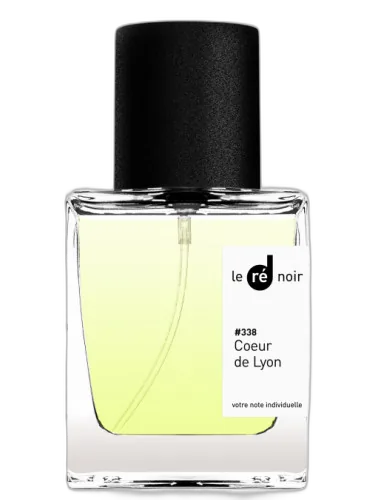
Le Ré Noir
#338 Coeur De Lyon Le Ré Noir
Shared top notes: oakmoss, patchouli
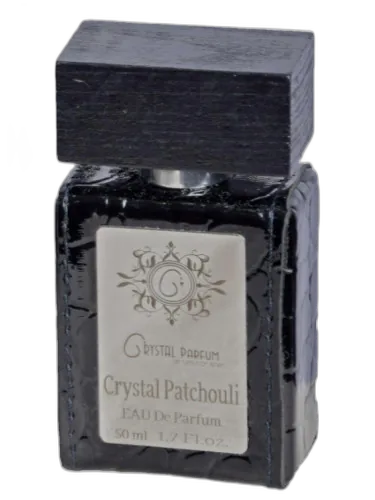
Crystal Parfum
Crystal Patchouli Crystal Parfum
Shared top notes: geranium, green notes, patchouli
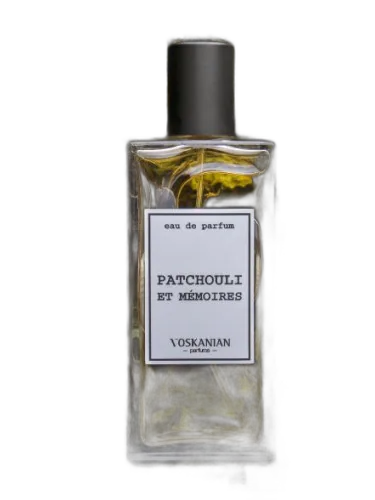
Voskanian Parfums
Patchouli Et Memories Voskanian Parfums
Shared top notes: oakmoss, patchouli

Corps Volatils
Fractioned Patchouli Corps Volatils
Shared top notes: patchouli

Dior
Miss Dior Rose Essence Dior
Shared top notes: geranium, green notes