
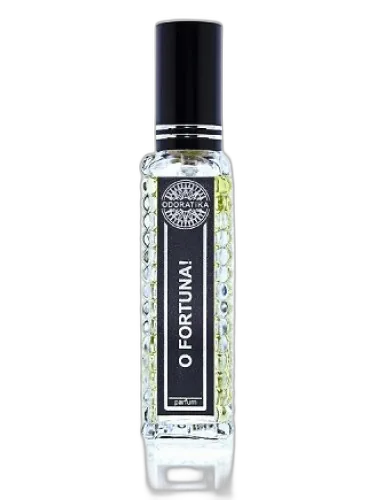

O Fortuna! Odoratika
At a glance
Is O Fortuna! Odoratika worth trying?
O Fortuna! by Odoratika is a Floral Fruity Gourmand fragrance for women.
- Best match
- Evening wear in Fall
- Performance feel
- Very Good longevity with Strong sillage
- Signature profile
- sweet, fruity, woody with Raspberry, Mate, Artemisia
The first impression
O Fortuna! by Odoratika is a Floral Fruity Gourmand fragrance for women. O Fortuna! was launched in 2015. Top notes are Raspberry, Mate, Artemisia, Green Apple and Incienso; middle notes are Lilac, Champaca, Jasmine, Betel Pepper and Frangipani; base notes are Dark Chocolate, Strawberry, Cacao, Precious Woods, Atlas Cedar, Vanilla, Bitter Almond, Patchouli and Musk.
What shapes the scent
The perfumer behind it

Unknown Perfumer
Notes pyramid
Top Notes
First impression · 15-30 min
 Raspberry
 Mate
Mate
 Artemisia
 Green Apple
 Incienso
Heart Notes
Core character · 2-4 hours
 Lilac
Lilac
 Champaca
 Jasmine
 Betel Pepper
 Frangipani
Base Notes
Lasting impression · 4+ hours
 Dark Chocolate
 Strawberry
Cacao
Precious Woods
Strawberry
Cacao
Precious Woods
 Atlas Cedar
 Vanilla
 Bitter Almond
 Patchouli
 Musk
Musk
The mood it creates
The Lover Archetype: Portrait of O Fortuna! Odoratika
Essence
The one who chooses O Fortuna! Odoratika is a devotee of the Lover archetype, though not in its most saccharine form. This is not mere romanticism-it is a full-bodied embrace of life’s sensual and dramatic dimensions. The Lover seeks intensity, beauty, and connection, not as passive indulgence but as a way of being. They are drawn to the fragrance’s bold, operatic character-its blend of dark resins, fiery spices, and the faintest whisper of something tragic beneath the opulence. Like the archetype itself, they are both magnetic and vulnerable, capable of deep passion but also prone to excess.
Style & Aesthetic
They dress with deliberate theatricality, though never cheaply. A tailored coat with a slightly decadent fur collar, a silk blouse left unbuttoned just enough to suggest rather than reveal. Jewelry is heavy, symbolic-a signet ring, a pendant of Medusa. Their aesthetic is baroque but controlled, as if they are both performer and audience.
Relationships
They do not engage in small talk. When they speak, it is with an intensity that can unsettle the uninitiated. Their friendships are few but volcanic-loyal to the point of obsession, yet capable of cutting ties with a single, cold glance if betrayed. In love, they are either all-consuming or indifferent; there is no middle ground. They seek a partner who can match their fire, someone unafraid of both their tenderness and their tempestuous moods.
Shadow
For all their depth, they are not immune to their own excesses. The Lover, when unbalanced, becomes the Debauchee-someone who mistakes sensation for meaning. They may lose themselves in fleeting pleasures, chasing ever-greater intensities until nothing satisfies. There is a danger of narcissism here, of seeing others as mere instruments in their grand drama.
Their greatest struggle is discipline. They must learn that not every passion must be indulged, that sometimes the most profound love is quiet, patient. Without this balance, they risk becoming a parody of themselves-a figure who mistakes melodrama for depth.
They are neither saint nor sinner, but a living paradox. Their capacity for joy is as vast as their capacity for sorrow. They do not merely wear O Fortuna!-they embody it, a fragrance as complex and contradictory as they are. To know them is to be drawn into their orbit, to feel the pull of their fervor. And though they may stumble, though they may burn too brightly at times, they would not have it any other way. For them, a life half-lived is no life at all.
Conclusion
Their world is one of heightened sensation. They surround themselves with textures that beg to be touched-velvet drapes, aged leather, the rough grain of an antique desk. Their home is a curated stage, filled with objects that tell stories: a vintage wine glass with a hairline crack, a well-worn copy of Thus Spoke Zarathustra, a painting of Icarus mid-fall. They do not merely consume beauty; they wrestle with it, demanding that it mean something.
Their philosophy is one of amor fati-love of fate. They do not shy from suffering, seeing it as inseparable from ecstasy. They might quote Nietzsche: "You must have chaos within you to give birth to a dancing star." Yet this is not mere intellectual posturing; they have lived through storms and emerged with a fiercer appetite for life.
If you like this, try these
Fragrances with a comparable profile - shared accords, notes, and character.
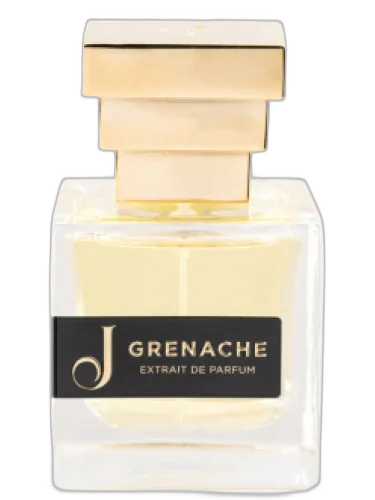
Jupilò
Grenache Jupilò
Shared top notes: raspberry
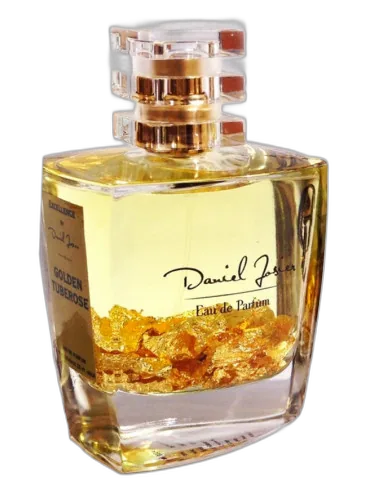
Daniel Josier
Golden Tuberose Daniel Josier
Shared top notes: artemisia, raspberry

Spirit Of Kings
Dedication Spirit Of Kings
Shared top notes: raspberry
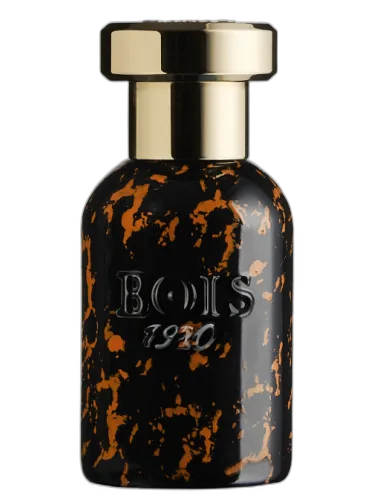
Bois 1920
Fondentarancio Bois 1920
Shared heart notes: jasmine

Bath & Body Works
Blackberry Amber Bath & Body Works
Shared top notes: raspberry