
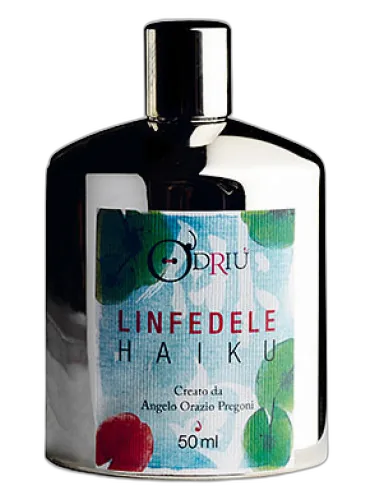

Linfedele Haiku O'driu
Fragrance Story
Linfedele Haiku by O'Driu is a Oriental fragrance for women and men. Linfedele Haiku was launched in 2014.
Composition Profile
About the Perfumer

Unknown Perfumer
Fragrance Notes
All Notes
Complete scent profile
 Myrrh
Myrrh
 Castoreum
 Patchouli
 Angelica
 Geranium
 Cardamom
 Coffee
 Mate
Mate
 Vanilla
 Pine Tree Needles
 Incense
 Grapefruit
Black Pepper
Grapefruit
Black Pepper
 Soybean
 Barley
Linfedele Haiku O'driu by O'Driu offers a distinctive olfactory experience that stands out from other fragrances in its category.
Crafted with the finest ingredients and a blend of traditional and modern perfumery techniques, this fragrance represents the pinnacle of the perfumer's art.
Linfedele Haiku O'driu embodies the distinctive style of O'Driu while adding a unique chapter to their fragrance portfolio.
Character Profile
The Lover Archetype: Portrait of Linfedele Haiku O'driu
Essence
The person who cherishes Linfedele Haiku O'driu is an Alchemist-a seeker of hidden truths, a weaver of paradoxes, and a connoisseur of the rare and enigmatic. This fragrance, with its poetic name and elusive composition, speaks to a soul who thrives in the liminal spaces between beauty and decay, tradition and rebellion. The Alchemist is not merely a collector of scents but a philosopher of the senses, one who understands that perfume is a language of the unconscious.
Relationships
They do not form bonds lightly. Their relationships are built on shared intellectual and emotional exploration rather than superficial camaraderie. When they love, it is with intensity-sometimes too much, as they expect their partners to match their depth. They are drawn to people who are unafraid of shadows, who understand that love is not just comfort but also confrontation with the self.
Yet, their idealism can be a double-edged sword. They may grow impatient with those who cannot-or will not-plunge into the depths with them. Their romanticism can sour into disillusionment, leading to cycles of passionate attachment followed by abrupt withdrawal.
Shadow
Their greatest strength-their relentless pursuit of meaning-can become their undoing. When the world fails to meet their expectations, they may retreat into isolation, mistaking solitude for wisdom. The Alchemist risks becoming the Hermit, hoarding their insights like gold in a vault, forgetting that alchemy is meant to be shared.
There is also a danger of aesthetic elitism. They may disdain the mundane, forgetting that even the most ordinary moments can hold profundity. Their love of rarity can harden into contempt for the common, a flaw that Nietzsche himself warned against-the arrogance of those who believe only the refined can understand the refined.
Conclusion
They are not content with mere existence. They demand transcendence-whether through art, love, or the quiet ritual of applying a fragrance that feels like a whispered secret. They walk through the world as both participant and observer, always distilling, always searching.
And yet, the true test of the Alchemist is not in the perfection of their craft but in their willingness to embrace imperfection. To recognize that even the most exquisite fragrance must eventually fade-and that this, too, is part of its beauty.
Similar Fragrances
Fragrances with a comparable profile - shared accords, notes, and character.
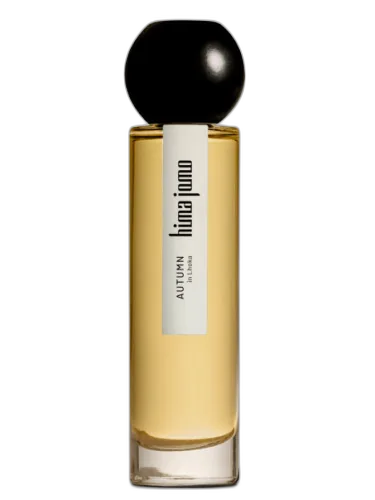
hima jomo
Autumn In Lhoka Hima Jomo
Shared accords: amber, aromatic, balsamic
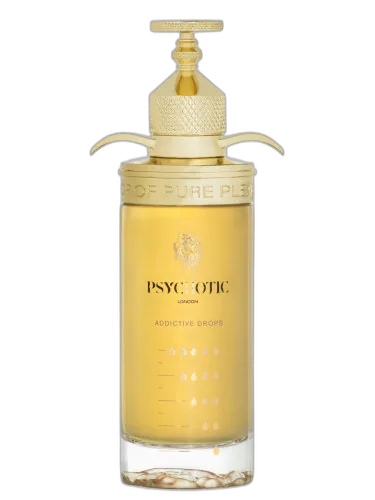
Psychotic London
Addictive Drops Psychotic London
Shared accords: amber, aromatic, balsamic
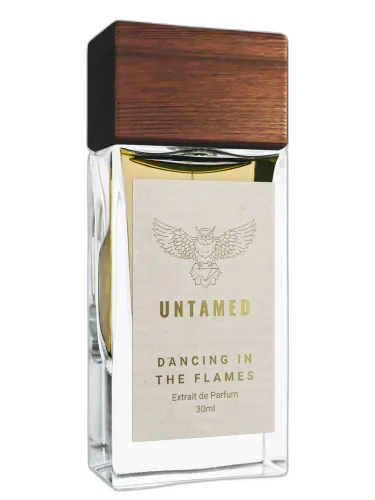
UNTAMED
Dancing In The Flames Untamed
Shared accords: amber, aromatic, balsamic
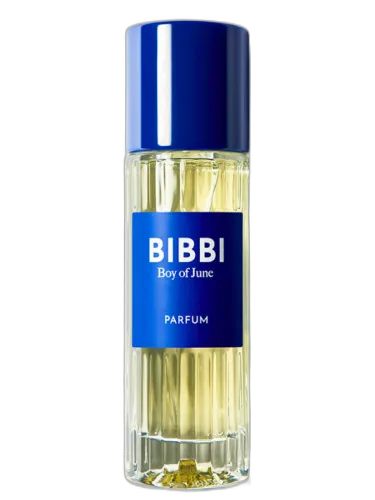
Bibbi Paris
Boy Of June Bibbi Paris
Shared accords: amber, aromatic, balsamic
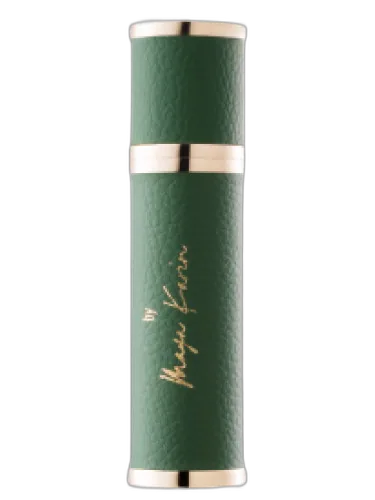
By Maya Karin
Andika By Maya Karin
Shared accords: amber, aromatic, balsamic