
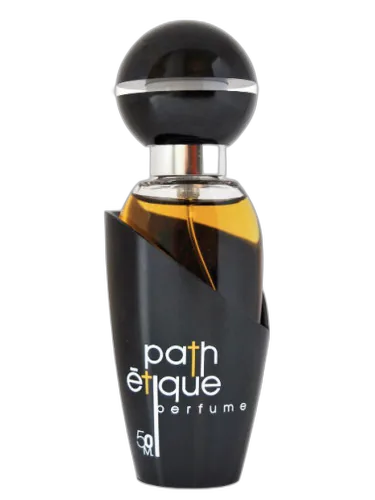

Pathetique O'driu
Fragrance Story
Pathetique by O'Driu is a Woody Aromatic fragrance for women and men. Pathetique was launched in 2014. The nose behind this fragrance is Angelo Orazio Pregoni.
Composition Profile
About the Perfumer

Angelo Orazio Pregoni
Angelo Orazio Pregoni is an Italian perfumer known for his work with the niche houses Bepolar and O'Driu. His creative signature blends raw, natural ingredients with unconventional, often avant-garde compositions that challenge traditional perfumery. Notable creations include the Bepolar series such as C21 Bepolar and Cin4 Bepolar, as well as O'Driu's 42 O'driu and Allegradonna O'driu, which reflect his experimental approach to scent.
Fragrance Notes
All Notes
Complete scent profile
 Truffle
 juniper berry
 Incense
 Bergamot
 Amyris
 Oakmoss
 Woody Notes
Black Pepper
Woody Notes
Black Pepper
 Mimosa
 Vetiver
Pathetique O'driu by O'Driu offers a distinctive olfactory experience that stands out from other fragrances in its category.
Crafted with the finest ingredients and a blend of traditional and modern perfumery techniques, this fragrance represents the pinnacle of the perfumer's art.
Pathetique O'driu embodies the distinctive style of O'Driu while adding a unique chapter to their fragrance portfolio.
Character Profile
The Wounded Healer Archetype: Portrait of Pathetique O'driu
Essence
The one who chooses Pathetique O’driu is no stranger to the interplay of beauty and suffering. This fragrance-raw, poetic, and unapologetically intense-speaks to those who dwell in the liminal spaces between ecstasy and despair. They are the Wounded Healer, an archetype embodied by Chiron, the centaur who bore an incurable wound yet became a mentor to heroes. Their life is a tapestry of contradictions: they seek transcendence through pain, wisdom through brokenness, and art through chaos.
Style & Aesthetic
Their aesthetic is a collision of elegance and decay. They might favor tailored garments with frayed edges, antique jewelry with tarnished metal, or a meticulously curated bookshelf filled with cracked spines. Their home is a sanctuary of dark wood, flickering candlelight, and the scent of old paper. They are drawn to textures that tell a story-leather worn smooth by time, silk stained with ink, a Persian rug with faded patterns.
They appreciate the beauty of impermanence: a wilting rose, a half-burned candle, a fading photograph. In this, they find a strange comfort-proof that nothing lasts, yet everything matters.
They are nocturnal creatures, most alive in the hours when the world sleeps. Their rituals are sacred: black coffee at midnight, handwritten letters they never send, vinyl records spinning old jazz or melancholic classical pieces. They might keep a journal filled with fragmented thoughts, sketches, and pressed flowers-each page a testament to their inner world.
They are drawn to solitary pursuits-writing, painting, wandering empty streets-but they are not hermits. They need the friction of human connection, even if it exhausts them. Their work, if they have found their calling, is something that bridges art and healing: a therapist who writes poetry, a perfumer who studies philosophy, a musician who reads tarot.
Philosophy & Values
They reject the sanitized, the superficial, the easily digestible. Their philosophy is one of sacred wounds-the belief that true depth is forged in suffering, that enlightenment is not found in avoidance but in immersion. They might quote Rilke: "Perhaps all the dragons in our lives are princesses who are only waiting to see us act, just once, with beauty and courage."
Their values are rooted in authenticity, even when it is ugly. They despise pretense, yet they are not immune to it-sometimes, they wear their suffering like a badge, mistaking self-destruction for profundity. Still, at their best, they understand that wisdom is not in the wound itself, but in how one carries it.
Relationships
They are magnetic but elusive. People are drawn to their depth, their intensity, their ability to see through facades-yet few can endure the weight of their emotional gravity for long. Their relationships are either profoundly intimate or frustratingly distant; there is little middle ground.
They are the confidant, the one who listens to midnight confessions, who offers advice wrapped in poetry rather than platitudes. But they also struggle with vulnerability-they can dissect others’ pain with surgical precision yet retreat when their own wounds are exposed. Their love is fierce but complicated, often shadowed by an unconscious fear of being truly known.
Shadow
At their best, they are alchemists-transforming pain into wisdom, solitude into creativity, suffering into art. They have an uncanny ability to guide others through darkness because they have wandered there themselves. Their presence is a quiet force, a reminder that fragility and strength are not opposites but intertwined.
Yet their shadow is a labyrinth of self-sabotage. They romanticize suffering, sometimes mistaking it for identity. They can be melodramatic, indulgent, even manipulative-using their wounds as weapons or excuses. Their fear of superficiality can make them disdainful of joy, as if happiness were somehow less profound than sorrow.
Conclusion
Pathetique O’driu is not a scent for the faint of heart. It is leather and smoke, blood and ink, a fragrance that does not flinch from its own brutality. The one who wears it is both the wound and the suture, the poison and the antidote. They walk the edge of the abyss, not because they seek destruction, but because they know that only by staring into the dark can one truly see the light.
They are the Wounded Healer-forever torn between the desire to transcend and the temptation to drown. And in that tension, they find their strange, imperfect grace.
Similar Fragrances
Fragrances with a comparable profile - shared accords, notes, and character.

Sammarco
Vitrum Sammarco
Shared accords: amber, aromatic, balsamic
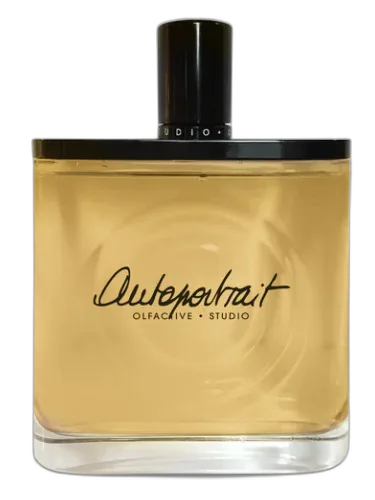
Olfactive Studio
Autoportrait Olfactive Studio
Shared accords: amber, aromatic, balsamic
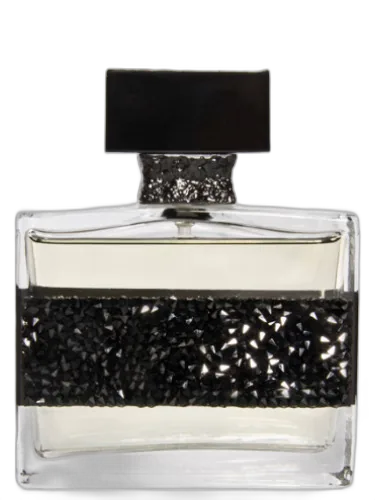
M. Micallef
Jewel For Him M. Micallef
Shared accords: amber, aromatic, balsamic
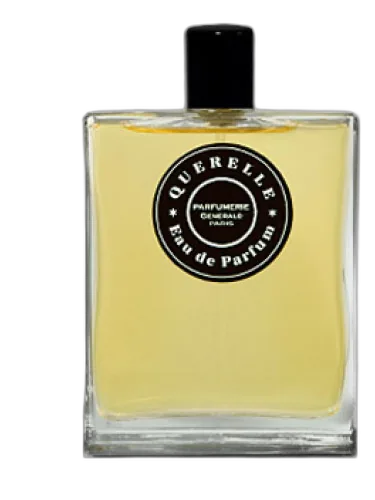
Pierre Guillaume Paris
Private Collection Querelle Pierre Guillaume Paris
Shared accords: amber, aromatic, balsamic

Shared accords: amber, aromatic, balsamic