
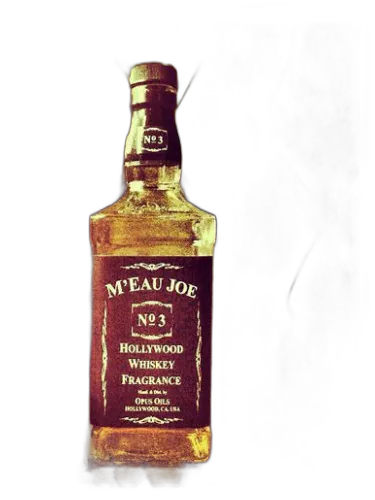

M’eau Joe No 3 - Hollywood Whiskey Fragrance Opus Oils
Fragrance Story
M’Eau Joe No 3 - Hollywood Whiskey Fragrance by Opus Oils is a Oriental Woody fragrance for women and men. M’Eau Joe No 3 - Hollywood Whiskey Fragrance was launched in 2012. The nose behind this fragrance is Kedra Hart. Top notes are Cognac, Whiskey, Limnophila aromatica, Rice Flower and Saffron; middle notes are Tobacco, Honey, Dark Chocolate, Rose and Violet; base notes are Tobacco, Amber, Woody Notes, Vanilla, Musk and Moss.
Composition Profile
About the Perfumer

Kedra Hart
Kedra Hart is the creator behind Opus Oils, a brand specializing in themed fragrance collections. Her catalog includes the Absintheo and Burlesque series, with scents like Charm, Gypsy, and Siren. Hart’s compositions often draw on vintage and theatrical inspirations.
Fragrance Notes
Top Notes
First impression · 15-30 min
 Cognac
 Whiskey
 Limnophila aromatica
 Rice Flower
 Saffron
Heart Notes
Core character · 2-4 hours
 Tobacco
 Honey
Honey
 Dark Chocolate
 Rose
Rose
 Violet
Base Notes
Lasting impression · 4+ hours
Tobacco
 Amber
Amber
 Woody Notes
 Vanilla
 Musk
Moss
Musk
Moss
M’eau Joe No 3 - Hollywood Whiskey Fragrance Opus Oils by Opus Oils offers a distinctive olfactory experience that stands out from other fragrances in its category.
Crafted with the finest ingredients and a blend of traditional and modern perfumery techniques, this fragrance represents the pinnacle of the perfumer's art.
M’eau Joe No 3 - Hollywood Whiskey Fragrance Opus Oils embodies the distinctive style of Opus Oils while adding a unique chapter to their fragrance portfolio.
Character Profile
The Alchemist Archetype: Portrait of M’eau Joe No 3 - Hollywood Whiskey Fragrance Opus Oils
Essence
The person who favors M’eau Joe No 3 - Hollywood Whiskey is one who thrives on transformation-both of the self and of the world around them. Their scent is a paradox: smoky yet smooth, intoxicating yet refined, a blend of rebellion and sophistication. This is the mark of the Alchemist, the archetype that seeks to turn base experiences into gold, to distill life’s chaos into something meaningful and potent.
Shadow
Every archetype has its dark reflection. For the Alchemist, it is the Obsessive Refiner-the part of them that cannot let things be. They may grow restless in stability, mistaking comfort for stagnation. Their pursuit of meaning can become a form of escapism, a refusal to accept life’s simpler pleasures. And when their experiments fail-when the elixir turns to poison-they can spiral into self-doubt or cynicism.
Yet even their flaws are born from a noble impulse: the refusal to settle. They would rather burn out than fade, would rather risk ruin than live half-formed.
Conclusion
They are drawn to the unconventional, the layered, the things that cannot be easily defined. Like the fragrance itself-whiskey-infused but not crude, cinematic yet intimate-they embody a duality. They do not merely exist; they compose their existence. Their tastes are eclectic, favoring the vintage and the avant-garde in equal measure. A well-worn leather jacket draped over a tailored shirt, a bookshelf where Hemingway shares space with Burroughs, a playlist that moves from jazz to post-punk without apology-these are the textures of their world.
Philosophically, they are neither optimist nor pessimist, but a realist with romantic inclinations. They believe in the power of reinvention, that a person is not bound by their past but can transmute it into something richer. They value authenticity, but not the kind that is static-rather, the authenticity of constant becoming.
Similar Fragrances
Fragrances with a comparable profile - shared accords, notes, and character.
Opus Oils
M’eau Joe No 3 - Hollywood Whiskey Fragrance Opus Oils
Shared accords: amber, chocolate, honey
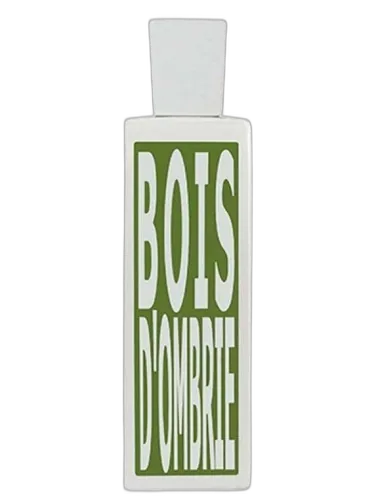
Eau D'Italie
Bois D’ombrie Eau D'italie
Shared accords: amber, powdery, sweet
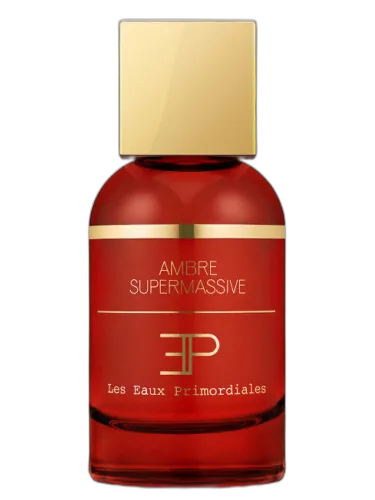
Les EAUX Primordiales
Ambre Supermassive Les Eaux Primordiales
Shared accords: amber, honey, powdery
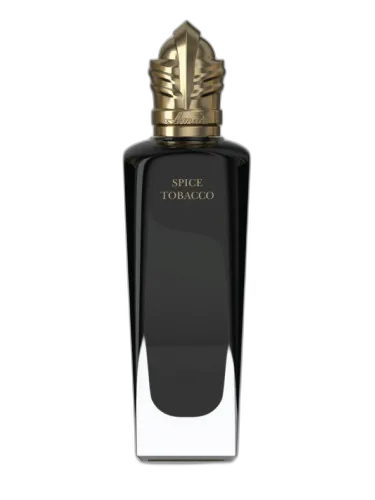
Amado
Spice Tobacco Amado
Shared accords: amber, powdery, sweet
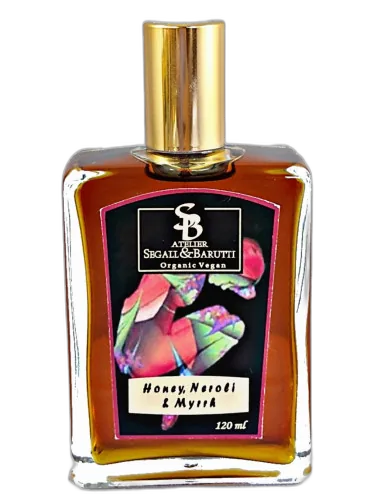
Atelier Segall & Barutti
Honey Neroli & Myrrh Atelier Segall & Barutti
Shared accords: amber, honey, powdery