
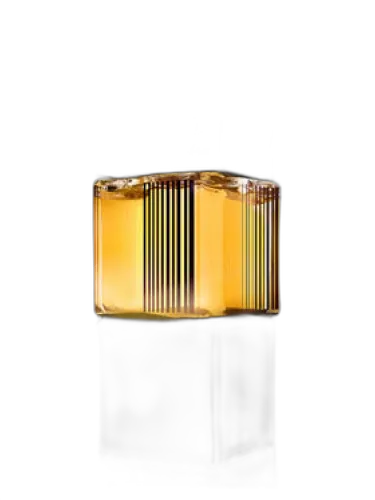

Architect Oriflame
At a glance
Is Architect Oriflame worth trying?
Architect by Oriflame is a Aromatic Fougere fragrance for men.
- Best match
- Office wear in Fall
- Performance feel
- Good longevity with Moderate sillage
- Signature profile
- woody, aromatic, tobacco with Cardamom, Wormwood, Hemlock
The first impression
Architect by Oriflame is a Aromatic Fougere fragrance for men. Architect was launched in 2011. The nose behind this fragrance is Alexis Dadier. Top notes are Cardamom, Wormwood, Hemlock and Amalfi Lemon; middle notes are Guaiac Wood, Sequoia and Virginia Cedar; base notes are Tobacco, Vetiver and Patchouli.
What shapes the scent
The perfumer behind it

Alexis Dadier
Alexis Dadier is a French perfumer known for his work with Symrise and major luxury houses like Bottega Veneta, Boucheron, and Chloé. His style balances naturalistic clarity with subtle richness, often highlighting woody, floral, or gourmand notes in refined compositions. He created several fragrances for Bottega Veneta’s Parco Palladiano collection, including the cypress-focused Cipresso and the chestnut-centered Castagno, as well as Chloé’s Chêne and Papyrus.
Notes pyramid
Top Notes
First impression · 15-30 min
 Cardamom
 Wormwood
 Hemlock
 Amalfi Lemon
Heart Notes
Core character · 2-4 hours
 Guaiac Wood
 Sequoia
 Virginia Cedar
Base Notes
Lasting impression · 4+ hours
 Tobacco
 Vetiver
 Patchouli
The mood it creates
The Archetype Archetype: Portrait of Architect Oriflame
Essence
To wear Architect by Oriflame is to embody the spirit of precision and imagination-a fragrance for those who build worlds, whether in stone, thought, or relationships. This is a scent for the mind that craves order yet thrills at the possibility of reinvention. The wearer is most closely aligned with the Sage archetype, but not merely as a passive observer of truth-rather, as an active architect of meaning, shaping reality through intellect and intention.
Shadow
Yet every strength has its shadow. The Architect’s devotion to order can calcify into rigidity. They may dismiss emotions as inelegant disruptions, treating their own and others’ feelings as problems to be solved rather than experiences to be lived. Their precision can become coldness; their logic, a weapon.
In their pursuit of perfection, they may grow impatient with ambiguity, dismissing the messy, unplanned beauty of life. Relationships may suffer if they demand the same exacting standards from others that they impose on themselves. The Sage risks becoming the Dogmatist, mistaking their own blueprints for absolute truth.
Conclusion
The Architect enthusiast is drawn to clarity, structure, and the elegance of well-formed ideas. Their tastes reflect a marriage of function and beauty: minimalist design, clean lines, and spaces that breathe with purpose. They may favor Scandinavian furniture, geometric patterns, or the deliberate asymmetry of a Japanese garden. Their wardrobe is curated, not cluttered-each piece chosen for its utility and aesthetic harmony.
Philosophy is not an abstract pastime but a living framework. They admire thinkers like Marcus Aurelius for his disciplined introspection, or Nietzsche himself for his fearless deconstruction of illusions. Their values revolve around truth, self-mastery, and the belief that knowledge is power-but only if applied. They are not content with mere theory; they must build with it.
In relationships, they seek intellectual equals-those who challenge them without chaos, who engage in discourse without dogma. Their love is a blueprint, carefully drafted but open to revision. They are loyal, but only to those who respect the sanctity of their mental space.
If you like this, try these
Fragrances with a comparable profile - shared accords, notes, and character.
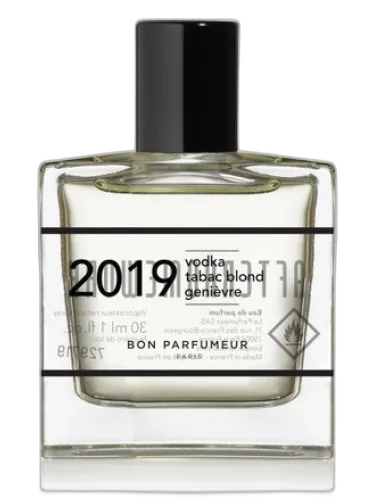
Bon Parfumeur
2019 Vodka, Tobacco, Juniper Bon Parfumeur
Shared base notes: patchouli, tobacco, vetiver

Bullfrog
Agnostico Distillate Bullfrog
Shared base notes: patchouli, tobacco, vetiver
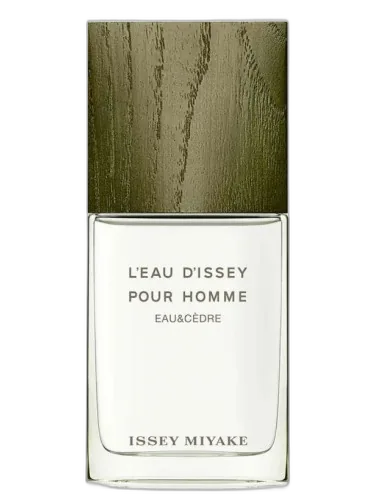
Issey Miyake
L’eau D’issey Pour Homme Eau & Cèdre Issey Miyake
Shared top notes: cardamom
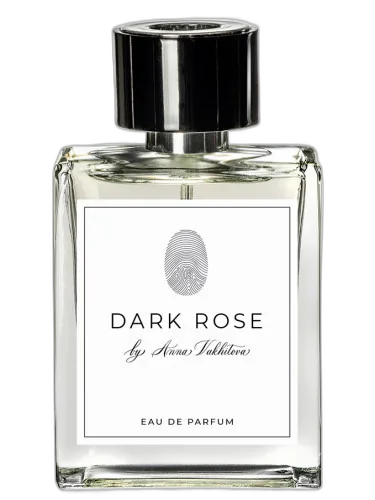
Anna Vakhitova Perfumes
Dark Rose Anna Vakhitova Perfumes
Shared base notes: patchouli, tobacco, vetiver
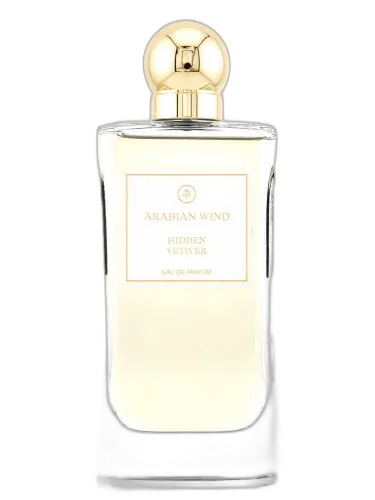
Arabian Wind
Hidden Vetiver Arabian Wind
Shared base notes: tobacco, vetiver