


True Love Ormonde Jayne
At a glance
Is True Love Ormonde Jayne worth trying?
True Love by Ormonde Jayne is a Floral Woody Musk fragrance for women.
- Best match
- Evening wear in Spring
- Performance feel
- Good longevity with Moderate sillage
- Signature profile
- iris, woody, floral with Freesia, Bergamot, Mandarin Orange
The first impression
True Love by Ormonde Jayne is a Floral Woody Musk fragrance for women. True Love was launched in 2017. The nose behind this fragrance is Geza Schoen. Top notes are Freesia, Bergamot, Mandarin Orange, Tarragon and Peppertree; middle notes are Orris, Honey, Ylang-Ylang, Jasmine, Rose and Hedione; base notes are Castoreum, Benzoin, Sandalwood, Musk and Cashmere Wood.
What shapes the scent
The perfumer behind it

Geza Schoen
Geza Schoen is a German perfumer known for his modern and minimalist approach to fragrance creation. He has worked on a wide range of compositions, from the fresh and aromatic Wakening Woods Of Scandinavia to the spicy Lime & Nutmeg and the citrusy Mandarine & Cardamom for 4711. His portfolio also includes the elegant Tzora for Anat Fritz and the bold Ultimate for Baldessarini, showcasing his versatility across different styles.
Notes pyramid
Top Notes
First impression · 15-30 min
 Freesia
 Bergamot
 Mandarin Orange
 Tarragon
 Peppertree
Heart Notes
Core character · 2-4 hours
Orris
 Honey
Honey
 Ylang-Ylang
 Jasmine
 Rose
Rose
 Hedione
Base Notes
Lasting impression · 4+ hours
 Castoreum
 Benzoin
 Sandalwood
 Musk
Cashmere Wood
Musk
Cashmere Wood
The mood it creates
The True Love Soul Archetype: Portrait of True Love Ormonde Jayne
Essence
The person who cherishes True Love by Ormonde Jayne is most closely aligned with the Lover archetype, though not in its purely romantic or hedonistic form. This is a Lover of depth-one who seeks connection not merely in passion but in the quiet, enduring bonds that shape a life. Their love is not loud but profound, not fleeting but steadfast.
The Lover archetype, in its highest expression, embodies devotion-to people, to beauty, to ideals. This person does not merely wear fragrance; they embody it. True Love-a scent of delicate pink pepper, violet, and vanilla-speaks of tenderness with an undercurrent of quiet strength. It is not ostentatious, yet it lingers, leaving an impression of warmth and quiet magnetism.
Shadow
Yet, devotion has its price. Their greatest flaw is the silent demand for reciprocity. They do not ask for love; they expect it to be given as freely as they give it. When it is not, they do not confront-they grieve inwardly, nurturing quiet resentments. Their withdrawal is not manipulative but self-protective, yet it can isolate them further.
There is also a tendency toward melancholy, a romanticization of the past. They may linger too long in memories, comparing present relationships to idealized ones. This nostalgia can blind them to new joys, trapping them in cycles of longing.
Conclusion
Their tastes are cultivated but never pretentious. They prefer the elegance of restraint-a well-tailored coat over flashy logos, a handwritten letter over a hasty text. Their home is an extension of this philosophy: warm woods, soft textiles, perhaps a single striking painting rather than cluttered walls. They are drawn to art that suggests rather than shouts-a Turner sky, a Chopin nocturne, a line of Rilke poetry.
Philosophically, they believe in the sacredness of the intimate. They do not scatter their affections but invest deeply in a chosen few. Their relationships are not transactional but devotional-loyalty is their creed, though it is not blind. They expect the same depth in return, and when betrayed, they do not rage but withdraw, wounded in silence.
If you like this, try these
Fragrances with a comparable profile - shared accords, notes, and character.
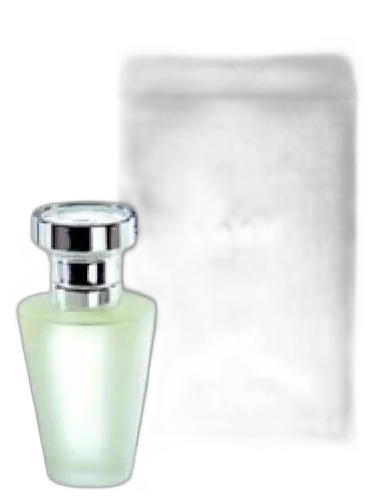
Germaine Monteil
Soon Germaine Monteil
Shared top notes: bergamot, mandarin orange
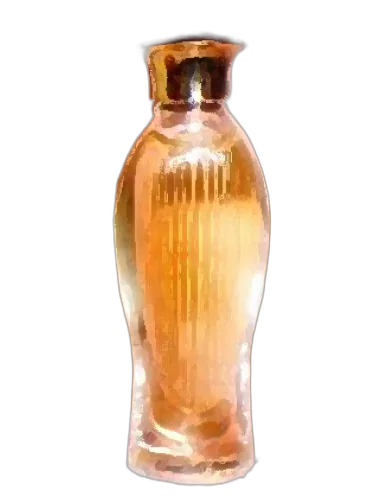
Jaguar
Jaguar Essentially Jaguar
Shared top notes: bergamot, freesia, mandarin orange
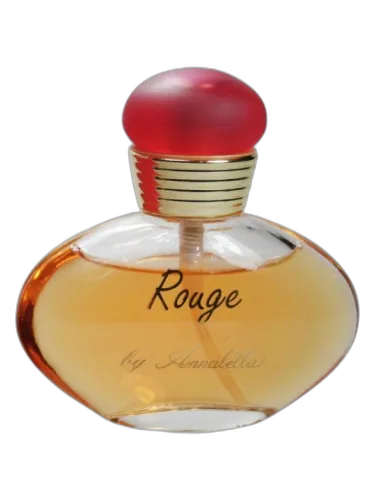
Annabella
Rouge Annabella
Shared top notes: bergamot, freesia, mandarin orange
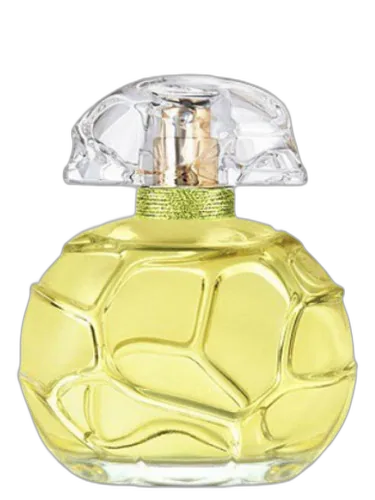
Houbigant
Quelques Fleurs Jardin Secret Extrait Houbigant
Shared top notes: bergamot, mandarin orange
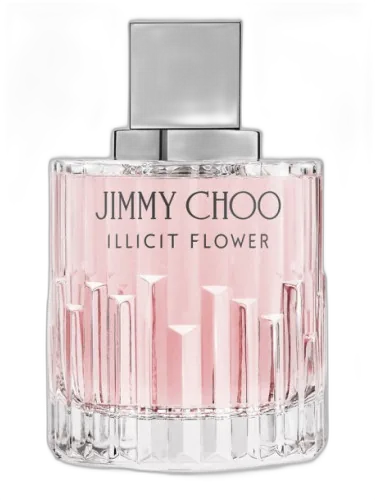
Jimmy Choo
Illicit Flower Jimmy Choo
Shared top notes: mandarin orange