
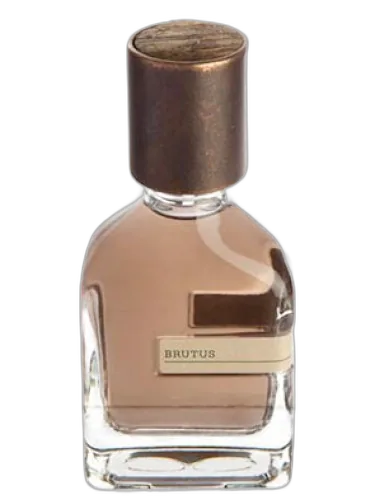
Brutus Orto Parisi
At a glance
Is Brutus Orto Parisi worth trying?
Brutus by Orto Parisi is a Aromatic Fougere fragrance for women and men.
- Best match
- Evening wear in Fall
- Performance feel
- Excellent longevity with Strong sillage
- Signature profile
- woody, patchouli, citrus with Bergamot, Mandarin Orange, Lavender
The first impression
Brutus by Orto Parisi is a Aromatic Fougere fragrance for women and men. Brutus was launched in 2014. The nose behind this fragrance is Alessandro Gualtieri. Top notes are Bergamot and Mandarin Orange; middle notes are Lavender, Geranium and Rose; base notes are Patchouli, Cedar, Amber, Musk, Labdanum and Oakmoss.
What shapes the scent
The perfumer behind it

Alessandro Gualtieri
Alessandro Gualtieri is an Italian perfumer and founder of the Nasomatto brand, known for his bold, unconventional approach to fragrance. His olfactory style emphasizes raw materials and intense, often provocative compositions that challenge traditional perfumery. Notable creations from our catalog include Nasomatto’s Absinth, Baraonda, and Blamage, as well as the MariaLux series and L’essence de Mastenbroek, all reflecting his signature dramatic and unapologetic aesthetic.
Notes pyramid
Top Notes
First impression · 15-30 min
 Bergamot
 Mandarin Orange
Heart Notes
Core character · 2-4 hours
 Lavender
 Geranium
 Rose
Rose
Base Notes
Lasting impression · 4+ hours
 Patchouli
 Cedar
Cedar
 Amber
Amber
 Musk
Musk
 Labdanum
 Oakmoss
The mood it creates
The Explorer Archetype: Portrait of Brutus Orto Parisi
Essence
The one who chooses Brutus Orto Parisi as their scent is not merely selecting a fragrance-they are declaring allegiance to an archetype that defies convention. The Outlaw, in Jungian terms, is the figure who rejects imposed order, who thrives on disruption, and who seeks to carve their own path. This is not the chaotic anarchist, but the deliberate transgressor, the one who understands the rules only to break them with precision.
Brutus-dark, animalic, primal-speaks of raw instinct and unapologetic presence. It is not a fragrance for the timid or the conformist. Its wearer is drawn to the scent’s uncompromising intensity, its refusal to be tamed.
Style & Aesthetic
Their appearance is a deliberate statement. They favor black, leather, sharp lines-clothing that suggests danger, not trend. They might wear a tailored jacket with a subtle tear in the seam, a flaw that is intentional, a reminder of imperfection’s beauty.
Their home is not cozy, but striking-dark woods, metallic accents, perhaps a skull or an antique dagger displayed not as decor, but as a symbol. They are drawn to art that disturbs: Goya’s Black Paintings, Francis Bacon’s twisted figures, the dissonant music of Throbbing Gristle. Beauty, to them, must have an edge.
Philosophy & Values
This is a person who lives by their own code. They do not seek approval, nor do they fear disapproval. Their philosophy is one of radical authenticity: "I am what I am, and I will not be softened for your comfort." They are drawn to thinkers like Nietzsche, Bataille, or even the Marquis de Sade-those who dared to question morality itself.
They despise mediocrity, finding it a slow death. Instead, they embrace extremes-intellectual, emotional, sensual. Their mind is sharp, their wit often cutting. They do not suffer fools, and their disdain for hypocrisy is absolute. Yet beneath the defiance, there is a deep hunger for something transcendent, something beyond the mundane.
Relationships
They do not have many friends, but those they keep are bound by intensity. Their relationships are deep, often tumultuous-love is never simple, never safe. They attract admirers and repulse the conventional in equal measure.
Romantically, they are magnetic but demanding. They seek a partner who can match their fire, who is unafraid of shadows. Their love is possessive, passionate, sometimes destructive. They do not do half-measures.
Shadow
Every archetype has its dark twin. For the Outlaw, the shadow manifests as either the Tyrant or the Isolate.
The Tyrant emerges when their defiance curdles into cruelty. They may become domineering, using their strength to manipulate rather than liberate. Their contempt for weakness turns into a need to dominate, to break others as they once broke their own chains.
The Isolate is the opposite fate-when rebellion leads not to freedom, but to alienation. They may withdraw entirely, becoming misanthropic, seeing the world as unworthy of their presence. Their defiance becomes a prison of solitude.
Conclusion
The lover of Brutus Orto Parisi is neither hero nor villain, but something more complex-a force of nature in human form. They challenge, they provoke, they refuse to be categorized. Their greatest strength is their refusal to conform; their greatest danger is losing themselves in their own myth.
They do not seek to be understood. They seek only to be-fully, fiercely, without apology.
If you like this, try these
Fragrances with a comparable profile - shared accords, notes, and character.
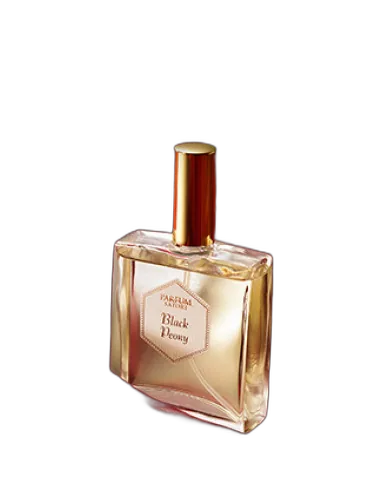
Parfum Satori
Black Peony Parfum Satori
Shared top notes: bergamot, mandarin orange
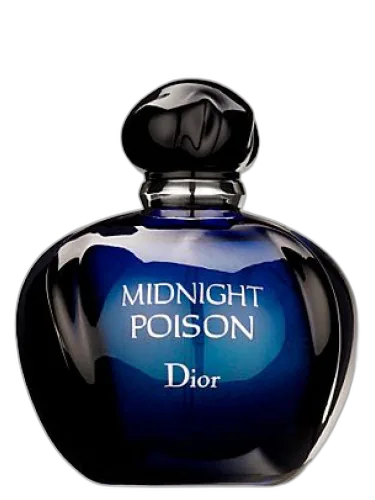
Dior
Midnight Poison Dior
Shared top notes: bergamot, mandarin orange

Tessa Williams
Faith Tessa Williams
Shared top notes: bergamot, mandarin orange
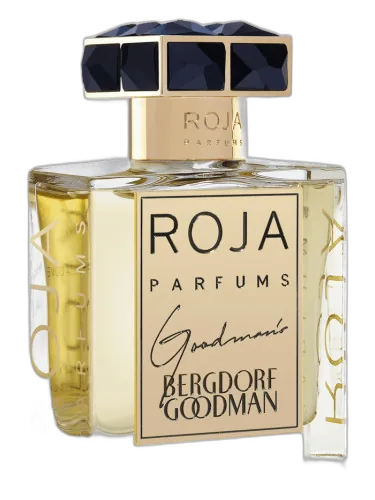
Roja Dove
Goodman's Bergdorf Goodman Roja Dove
Shared top notes: bergamot, mandarin orange
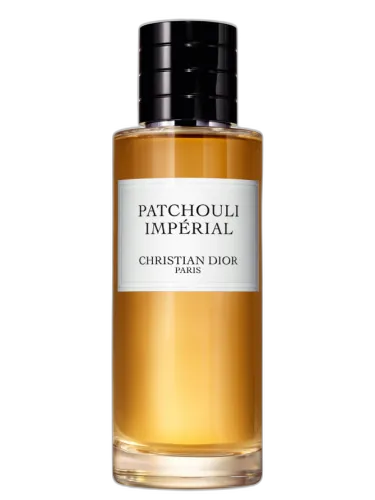
Dior
Patchouli Imperial Dior
Shared top notes: bergamot, mandarin orange