
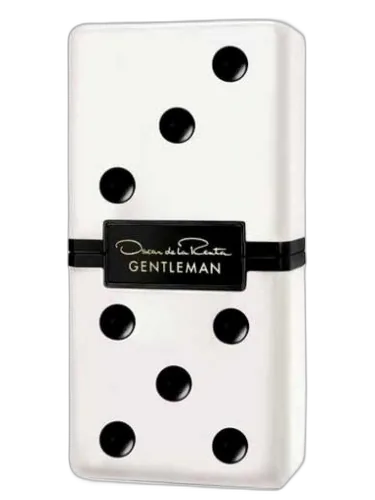
Gentleman Oscar De La Renta
At a glance
Is Gentleman Oscar De La Renta worth trying?
Gentleman by Oscar de la Renta is a Aromatic Fougere fragrance for men.
- Best match
- Evening wear in Fall
- Performance feel
- Very Good longevity with Moderate sillage
- Signature profile
- aromatic, citrus, fresh spicy with Champagne, Cardamom, Grapefruit
The first impression
Gentleman by Oscar de la Renta is a Aromatic Fougere fragrance for men. Gentleman was launched in 2016. Top notes are Champagne, Cardamom, Grapefruit and Bergamot; middle notes are Oolong tea, Rosemary and Geranium; base notes are Vetiver, Leatherwood, Labdanum and Amber.
What shapes the scent
The perfumer behind it

Notes pyramid
Top Notes
First impression · 15-30 min
 Champagne
 Cardamom
 Grapefruit
 Bergamot
Heart Notes
Core character · 2-4 hours
 Oolong tea
 Rosemary
 Geranium
Base Notes
Lasting impression · 4+ hours
 Vetiver
 Leatherwood
 Labdanum
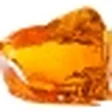 Amber
Amber
The mood it creates
The Oscar De La Renta Wearer Archetype: Portrait of Gentleman Oscar De La Renta
Essence
The person who favors Gentleman by Oscar de la Renta is most closely aligned with the Sovereign archetype-a figure of cultivated authority, elegance, and self-assured presence. This is not the domineering ruler, but the natural aristocrat of spirit, one who commands respect without demanding it. They embody refinement, not as pretension, but as an extension of their inner world. The fragrance itself-warm, woody, with hints of spice and leather-mirrors their essence: complex, layered, and subtly powerful.
Style & Aesthetic
Their tastes are deliberate, never accidental. They prefer the timeless over the trendy, the substantial over the superficial. In clothing, they favor tailored silhouettes-well-fitted suits, cashmere sweaters, leather shoes polished to a quiet sheen. Their home reflects the same philosophy: dark woods, rich textures, and art that suggests depth rather than shock value.
They appreciate fine things but do not fetishize them. A well-aged whiskey, a first-edition book, a vintage watch-these are not status symbols but companions in a life lived with discernment. Music and literature lean toward the classical or the intellectually provocative; they find beauty in structure, whether in a Bach fugue or a Nietzschean aphorism.
Their days are structured but not rigid. Mornings might begin with black coffee and a few pages of philosophy; evenings could end with a slow sip of cognac and jazz in low light. They thrive in environments where intellect and aesthetics intersect-perhaps as a lawyer, architect, financier, or curator.
They are not workaholics, but they disdain idleness. Leisure, for them, is an active pursuit: learning, creating, engaging. They travel not to escape but to immerse-preferring a quiet villa in Tuscany over a crowded resort.
Philosophy & Values
Their worldview is built on the belief that excellence is a habit, not an accident. They do not chase success; they embody it through consistency. Honor is not an abstract ideal but a daily practice-keeping one’s word, respecting boundaries, and expecting the same in return.
Yet, their sovereignty is not cold. They understand that true strength includes kindness, though not naivety. They value loyalty deeply but grant it sparingly. Their friendships are few but enduring, built on mutual respect rather than convenience.
Relationships
They are not an open book. Their relationships unfold in layers, like the notes of their chosen fragrance. Romantic partners are drawn to their quiet confidence, the way they listen more than they speak, and the certainty of their touch. But this same reserve can be mistaken for detachment.
They do not suffer fools, nor do they indulge in emotional theatrics. This can make them seem aloof, even arrogant, to those who mistake depth for disinterest. Their shadow here is a tendency toward emotional austerity-a reluctance to reveal vulnerability, even when it would deepen connection.
Shadow
Their greatest strength-their self-possession-can become their flaw. The Sovereign’s shadow is pride, the quiet arrogance of believing they have no need for others. They may dismiss emotions as weakness, retreating into self-sufficiency until it becomes isolation.
There is also the danger of rigidity. Their standards, so carefully honed, can turn into unyielding judgments-of others and themselves. When life disrupts their order, they may respond not with adaptation, but with cold frustration.
Conclusion
The ideal evolution for this archetype is to temper mastery with warmth. To recognize that true nobility lies not in invulnerability, but in the courage to be imperfect. When they do, their presence becomes not just commanding, but magnetic-a rare fusion of strength and soul.
In the end, the wearer of Gentleman by Oscar de la Renta is not merely a man of taste, but a man of substance. Their life is a composition, each element chosen with care, each moment lived with intention. And like their fragrance, they leave an impression that lingers-subtle, unforgettable, and deeply human.
If you like this, try these
Fragrances with a comparable profile - shared accords, notes, and character.
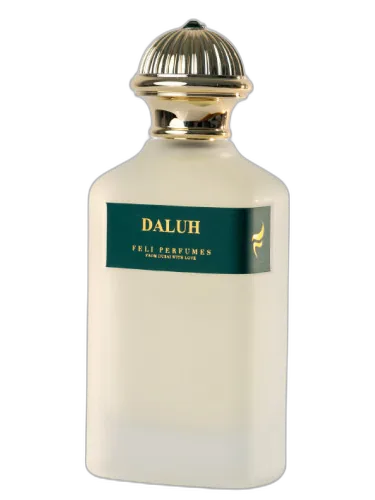
Feli Perfumes
Daluh Feli Perfumes
Shared top notes: bergamot, grapefruit

Etat Libre d'Orange
Remarkable People Etat Libre D'orange
Shared top notes: cardamom, champagne, grapefruit

Eudora
Volpe Master Eudora
Shared top notes: bergamot, cardamom, grapefruit
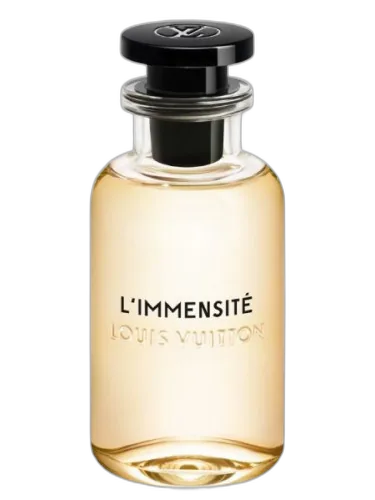
Louis Vuitton
L’immensité Louis Vuitton
Shared top notes: bergamot, grapefruit
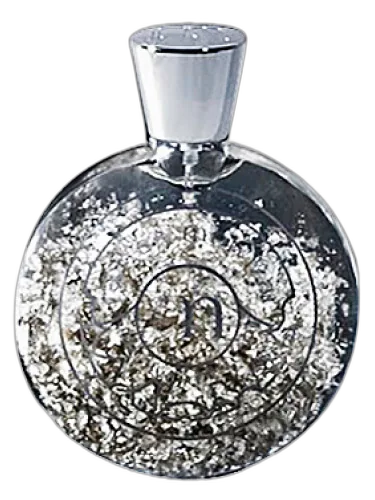
Ramon Molvizar
Art & Silver & Perfume (2016) Ramon Molvizar
Shared top notes: bergamot, cardamom, grapefruit