
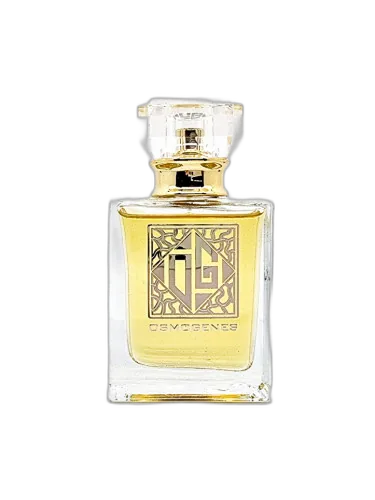

Paradise Flower Райский Цветок Osmogenes Perfumes
Fragrance Story
Paradise Flower Райский цветок by OsmoGenes Perfumes is a fragrance for women and men. Paradise Flower Райский цветок was launched in 2019. The nose behind this fragrance is Olga Gosina. Top notes are Mangosteen, Peach, Star Anise, Orange and Bergamot; middle notes are Frangipani, Ylang-Ylang, Sea Notes, Choya Nakh and Honey; base notes are Civet, Vanilla, Sandalwood, Amber, Vetiver, Oakmoss, Tonka Bean and Fir.
Composition Profile
About the Perfumer

Olga Gosina
Olga Gosina is a perfumer who has contributed to Ladanika and OsmoGenes Perfumes, with creations such as A Drug For A Good Girl and Bohemia. Her fragrances often explore a range of themes from playful and romantic to sophisticated and complex. Gosina's work demonstrates a skill in blending diverse notes to create evocative and modern compositions.
Fragrance Notes
Top Notes
First impression · 15-30 min
 Mangosteen
 Peach
Peach
 Star Anise
 Orange
 Bergamot
Heart Notes
Core character · 2-4 hours
 Frangipani
 Ylang-Ylang
 Sea Notes
 Choya Nakh
 Honey
Honey
Base Notes
Lasting impression · 4+ hours
 Civet
Civet
 Vanilla
 Sandalwood
 Amber
Amber
 Vetiver
 Oakmoss
 Tonka Bean
 Fir
Fir
Paradise Flower Райский Цветок Osmogenes Perfumes by OsmoGenes Perfumes offers a distinctive olfactory experience that stands out from other fragrances in its category.
Crafted with the finest ingredients and a blend of traditional and modern perfumery techniques, this fragrance represents the pinnacle of the perfumer's art.
Paradise Flower Райский Цветок Osmogenes Perfumes embodies the distinctive style of OsmoGenes Perfumes while adding a unique chapter to their fragrance portfolio.
Character Profile
The Lover Archetype: Portrait of Paradise Flower Райский Цветок Osmogenes Perfumes
Essence
To wear Paradise Flower-Райский Цветок-is to embrace the intoxicating allure of the sensual and the sublime. This fragrance, with its lush floralcy and dreamlike sweetness, is not for the timid or the detached. It is for those who live in pursuit of beauty, pleasure, and deep emotional resonance. The person who chooses this scent is most closely aligned with the Lover archetype, a figure defined by passion, aesthetic devotion, and an unyielding desire to experience life in its most vivid form.
Style & Aesthetic
For this individual, existence is not merely endured but curated. Their surroundings-whether a carefully arranged bookshelf, an art-filled apartment, or an impeccably chosen wardrobe-reflect a devotion to harmony and sensory pleasure. They are drawn to the romantic, the poetic, the decadent. Their tastes may lean toward the baroque or the impressionistic, favoring richness over minimalism, emotion over austerity.
They are likely to have an affinity for art that evokes longing-pre-Raphaelite paintings, classical music with sweeping crescendos, literature that explores desire and melancholy (Nabokov, Baudelaire, or García Márquez). Their philosophy is not one of rigid logic but of felt truth-they trust intuition, the body’s wisdom, the way a scent or a melody can evoke memories more powerfully than reason ever could.
They are drawn to careers that allow them to worship at the altar of beauty-perfumery, floristry, fashion, writing, or the arts. Even if their day job is more conventional, they will find ways to infuse it with creativity, turning routine into ritual. Their home is a sanctuary, filled with candles, fresh flowers, and well-worn books. They may have a weakness for vintage finds, believing that objects carry the energy of their past lives.
They travel not to check off landmarks but to feel a place-the scent of jasmine in Marrakech, the golden light of Venice at dusk. They are not tourists but temporary inhabitants, seeking to absorb the soul of each destination.
Relationships
In love, they are both radiant and demanding. They seek connections that feel fated, relationships that transcend the mundane. Their romantic partners are often artists, dreamers, or those with a touch of mystery-people who mirror their own depth. Yet this idealism can be a double-edged sword. When reality fails to match their vision, they may grow disillusioned, restless, or even melodramatic.
Their friendships are deep but selective. They have little patience for small talk or superficial bonds, preferring a few soul-deep confidants over a wide social circle. They are the kind of person who remembers anniversaries, writes heartfelt letters, and gives gifts that feel like small acts of devotion. But they also expect the same in return-and when others fall short, they may withdraw into wounded silence.
Shadow
The Lover’s greatest weakness is their susceptibility to excess. Their pursuit of beauty can tip into hedonism; their emotional intensity can become self-indulgence. They may lose themselves in fantasies, avoiding the harder edges of life through aesthetic escapism-luxury, nostalgia, or even romanticized suffering.
At their worst, they can be vain or possessive, mistaking infatuation for love, mistaking passion for permanence. They may struggle with commitment, not out of coldness, but because they fear the fading of intensity. The mundane terrifies them more than chaos ever could.
Conclusion
The Paradise Flower wearer is, above all, a connoisseur of feeling. They do not merely exist-they revel. Their life is a series of love affairs-with people, with art, with fleeting moments of transcendence. But their challenge is to temper their idealism with wisdom, to learn that not all beauty is fleeting, and that depth can be found in stillness as much as in passion.
They are not made for moderation. And perhaps the world is richer for it.
Similar Fragrances
Fragrances with a comparable profile - shared accords, notes, and character.
OsmoGenes Perfumes
Paradise Flower Райский Цветок Osmogenes Perfumes
Shared accords: animalic, floral, fruity

Renier Perfumes
Anacaona Renier Perfumes
Shared accords: floral, fruity, musky
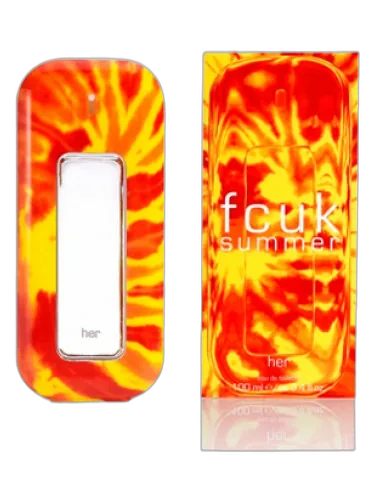
FCUK
Fcuk Summer Her Fcuk
Shared accords: floral, fruity, musky
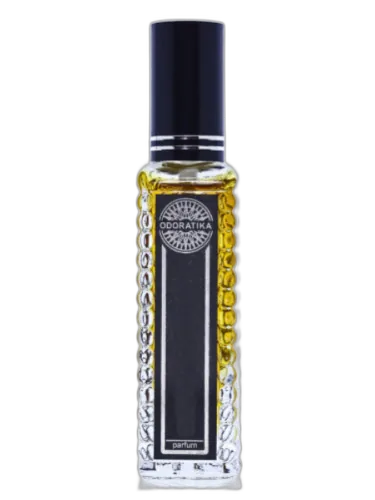
Odoratika
Tangalunga 2018 Edition Odoratika
Shared accords: animalic, floral, fruity
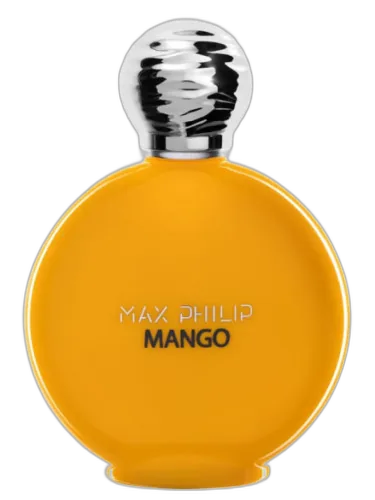
Max Philip
Mango Max Philip
Shared accords: floral, fruity, musky