
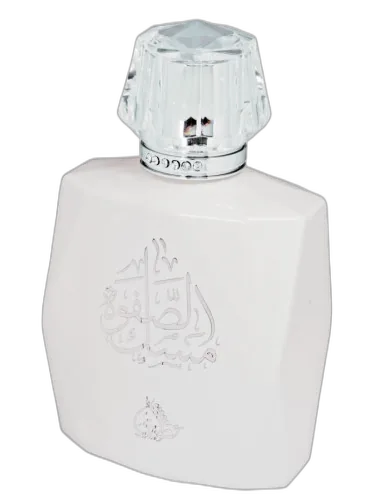

Musk Al Safwa Otoori
At a glance
Is Musk Al Safwa Otoori worth trying?
Musk Al Safwa by Otoori is a fragrance for women and men.
- Best match
- Evening wear in Fall
- Performance feel
- Very Good longevity with Moderate sillage
- Signature profile
- sweet, tropical, fruity with Green Grass, Citruses, Mint
The first impression
Musk Al Safwa by Otoori is a fragrance for women and men. Top notes are Green Grass and Citruses; middle notes are Mint and Tobacco; base notes are Loukhoum and Mango.
What shapes the scent
The perfumer behind it

Otoori
Otoori is a perfumer celebrated for blending traditional and contemporary fragrance styles. His creations, such as Abaya and Musk Al Safwa, showcase a deep appreciation for rich, evocative notes. He skillfully balances opulence with restraint, creating scents that feel luxurious yet approachable. His work appeals to those who value depth and artistry in perfumery.
Notes pyramid
Top Notes
First impression · 15-30 min
 Green Grass
 Citruses
Heart Notes
Core character · 2-4 hours
 Mint
Mint
 Tobacco
Base Notes
Lasting impression · 4+ hours
 Loukhoum
 Mango
Mango
The mood it creates
The Sage Archetype: Portrait of Musk Al Safwa Otoori
Essence
Musk Al Safwa Otoori is a fragrance of quiet intensity-deep, warm, and enigmatic. It does not announce itself with brashness but lingers in the air like an unspoken truth. Those who favor it are drawn to its paradox: a scent both grounding and transcendent, earthy yet spiritual. This duality mirrors the psyche of its wearer-a person who seeks wisdom not in loud declarations but in the silent spaces between thoughts.
The Sage is the seeker of knowledge, the keeper of insight. They are not merely intelligent but profoundly reflective, valuing understanding over dogma. Their mind is a labyrinth of ideas, and their presence exudes a quiet authority. The Sage does not dominate but illuminates, offering clarity rather than control.
Yet, like all archetypes, the Sage has a shadow. When wisdom becomes detachment, the Sage risks coldness. When curiosity becomes obsession, they may lose themselves in abstraction, forgetting the warmth of human connection.
Relationships
They do not suffer fools gladly, yet they are not cruel in their discernment. Their friendships are few but unshakable, built on mutual respect and intellectual sparring. Romantic partners must match their depth; superficial charm bores them. They crave a meeting of minds, where silence is as meaningful as speech.
Yet their shadow emerges here-sometimes, their love of wisdom eclipses their capacity for vulnerability. They may rationalize emotions rather than feel them, retreating into thought when confronted with rawness.
Shadow
When unbalanced, the Sage becomes the Hermit-withdrawn, overly skeptical, mistaking solitude for superiority. They may disdain those who do not share their depth, forgetting that wisdom must sometimes descend from the ivory tower to walk among people. Their greatest challenge is not to know but to live-to let their philosophy breathe in the messiness of existence.
Conclusion
Their tastes are deliberate, never accidental. They prefer the understated elegance of natural materials-linen, aged leather, unpolished wood. Their home is a sanctuary of order, where every object has purpose and meaning. Books line the shelves, not as decoration but as companions in an endless dialogue with the past.
Philosophy is not an academic exercise for them but a way of being. They are drawn to thinkers who embrace paradox-Nietzsche’s will to power balanced with Eastern non-attachment, Jung’s shadow work alongside Stoic discipline. They do not seek answers so much as better questions.
If you like this, try these
Fragrances with a comparable profile - shared accords, notes, and character.
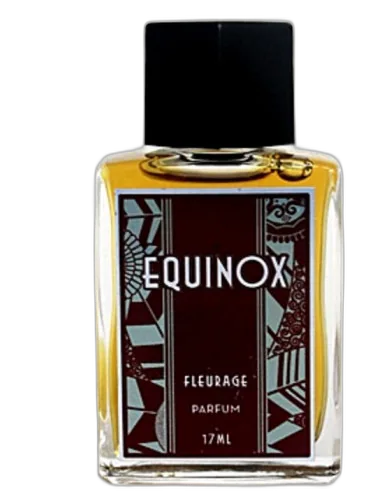
Fleurage
Equinox Fleurage
Shared top notes: citruses, green grass
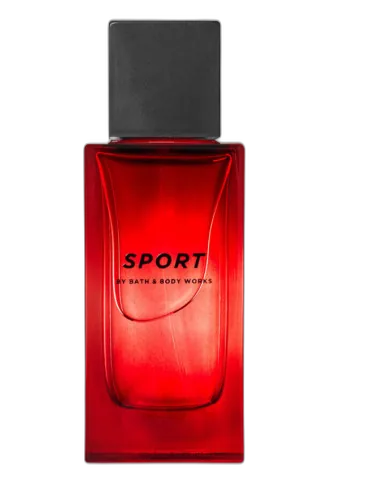
Bath & Body Works
Sport Bath & Body Works
Shared top notes: citruses

Evocative Perfumes
Jasmin Tabac Evocative Perfumes
Shared top notes: citruses
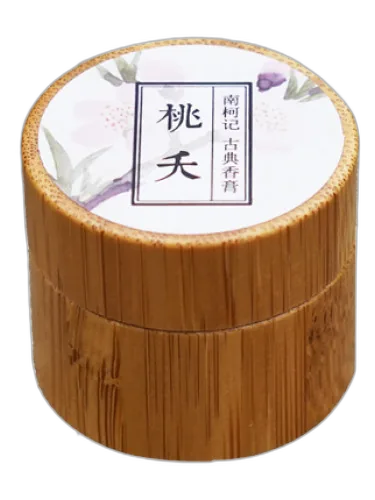
南柯记 Nankeji
Peach Blossom 桃夭 南柯记 Nankeji
Shared top notes: citruses, green grass
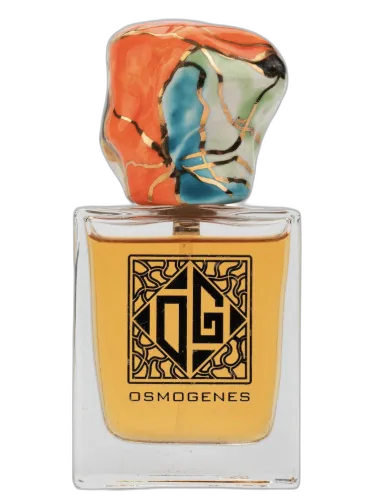
OsmoGenes Perfumes
Etude En Blanc Этюд В Белом Osmogenes Perfumes
Shared top notes: green grass