
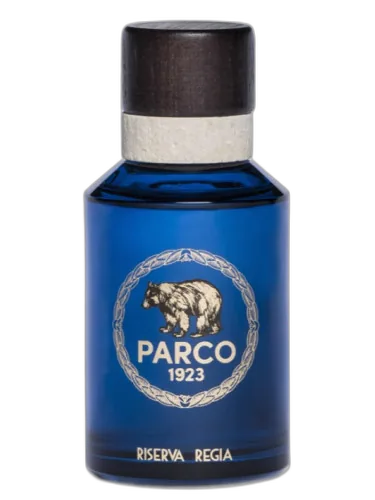

Riserva Regia Parco 1923
At a glance
Is Riserva Regia Parco 1923 worth trying?
Riserva Regia by Parco 1923 is a fragrance for women and men.
- Best match
- Evening wear in Fall
- Performance feel
- Very Good longevity with Moderate sillage
- Signature profile
- powdery, musky, iris with Green Notes, Sea Buckthorn, Iris
The first impression
Riserva Regia by Parco 1923 is a fragrance for women and men. This is a new fragrance. Riserva Regia was launched in 2022. The nose behind this fragrance is Luca Maffei. Top notes are Green Notes and Sea Buckthorn; middle notes are Iris and Angelica; base notes are Woody Notes and Musk.
What shapes the scent
The perfumer behind it

Luca Maffei
Luca Maffei is an Italian perfumer known for his work with Acca Kappa, creating scents like Black Pepper & Sandalwood and Tilia Cordata. He also composed Amnesia Rose for Aedes de Venustas and Ambre Gris for Alyssa Ashley. Maffei's style often blends natural ingredients with modern sophistication. His portfolio includes a range of floral, woody, and aromatic compositions.
Notes pyramid
Top Notes
First impression · 15-30 min
 Green Notes
 Sea Buckthorn
Heart Notes
Core character · 2-4 hours
 Iris
Iris
 Angelica
Base Notes
Lasting impression · 4+ hours
 Woody Notes
 Musk
Musk
The mood it creates
The Sovereign Archetype: Portrait of Riserva Regia Parco 1923
Essence
To wear Riserva Regia Parco 1923 is to embody an unspoken aristocracy-not of birthright, but of cultivated presence. This fragrance, with its refined blend of bergamot, vanilla, and woody warmth, speaks of someone who moves through the world with quiet authority. They are neither loud nor ostentatious, yet their essence lingers in the minds of those they encounter.
At their core, this individual is defined by the Ruler archetype. They possess an innate desire for order, mastery, and influence, though not in the crude sense of domination. Their rule is one of taste, discernment, and an unwavering commitment to excellence. They do not seek power for its own sake, but because they believe in the possibility of a refined, well-ordered existence-both for themselves and those they hold dear.
Yet, like all archetypes, the Ruler has its shadow. When unbalanced, they may slip into rigidity, an overbearing need for control, or a subtle disdain for those who lack their discipline. Their greatest strength-their ability to command respect-can become their greatest weakness if they mistake respect for submission.
Relationships
They do not have many friends, but the ones they keep are bound by mutual respect and intellectual kinship. Their love language is one of acts of service and thoughtful gestures-rarely effusive, but deeply meaningful. Romantic partners must understand their need for independence; they will not be smothered, nor will they smother.
In professional life, they are often admired but not always loved. Colleagues may perceive them as aloof or intimidating, though those who earn their trust find a loyal ally. They do not suffer fools, but neither do they mock them-they simply move on.
Shadow
Beneath their composed exterior lies the Ruler’s greatest peril: the fear of chaos. When life resists their attempts at order, they may become unyielding, even tyrannical, mistaking flexibility for weakness. They may grow impatient with those who do not meet their standards, withdrawing into a self-imposed isolation.
At their worst, they risk becoming a prisoner of their own refinement, so obsessed with perfection that they forget the vitality of spontaneity. The very elegance they cultivate can harden into a mask, leaving them untouched by the raw, messy beauty of life.
Conclusion
Their tastes are deliberate, never accidental. They favor timeless elegance over fleeting trends: well-tailored blazers, understated watches, leather-bound books. Their home is an extension of their persona-spacious but not sterile, filled with objects that have been chosen with care, not accumulated by chance. They might collect rare wines, vintage vinyl, or first editions, not for status, but because these things resonate with their sense of permanence.
Philosophically, they believe in meritocracy, though not the brutal kind. They respect those who refine themselves through effort, yet they are not blind to the privileges that allow such refinement. Their values are rooted in tradition, but not uncritically-they preserve what is worthy and discard what is hollow.
If you like this, try these
Fragrances with a comparable profile - shared accords, notes, and character.

The Fragrance Kitchen
Dreamy The Fragrance Kitchen
Shared top notes: green notes
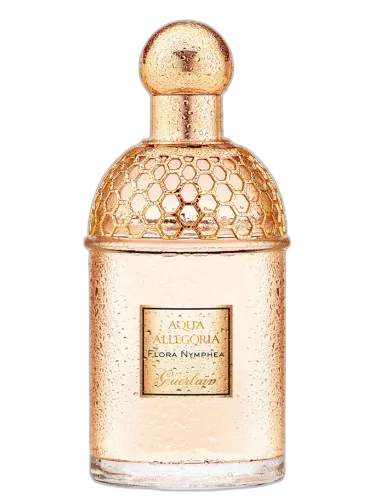
Guerlain
Aqua Allegoria Flora Nymphea Guerlain
Shared top notes: green notes
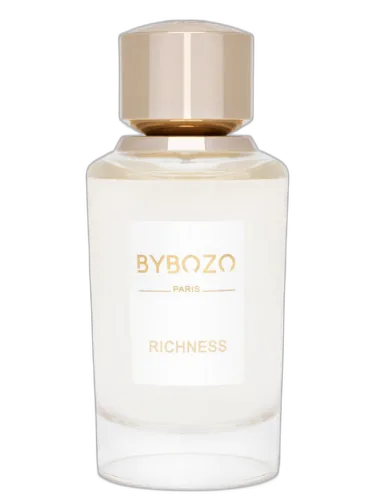
ByBozo
Richness Bybozo
Shared base notes: musk, woody notes

Momo Design
Silver Momo Design
Shared heart notes: angelica, iris
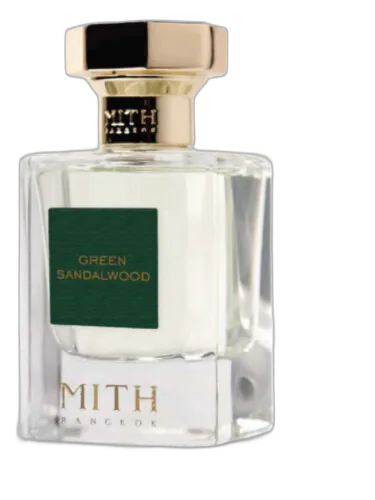
Mith
Green Sandalwood Mith
Shared top notes: green notes