
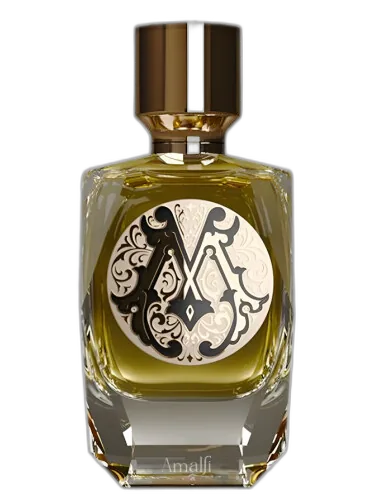

Amalfi Parfum De Mahzen
At a glance
Is Amalfi Parfum De Mahzen worth trying?
Amalfi by Parfum de Mahzen is a Floral Woody Musk fragrance for women and men.
- Best match
- Evening wear in Summer
- Performance feel
- Excellent longevity with Strong sillage
- Signature profile
- fresh, floral, white floral with Aldehydes, Orange Blossom, Mandarin Orange
The first impression
Amalfi by Parfum de Mahzen is a Floral Woody Musk fragrance for women and men. This is a new fragrance. Amalfi was launched in 2024. Amalfi was created by Eren Öğütcü and Özge Öğütcü. Top notes are Aldehydes, Orange Blossom, Mandarin Orange, Peach and Bergamot; middle notes are Petalia, Ylang-Ylang, Agave, Tuberose, Vetiver, Mahonia and Lily; base notes are Sandalwood, White Musk, Ambroxan, Vanilla, Musk and Woody Notes.
What shapes the scent
The perfumer behind it

Eren Öğütcü
Eren Öğütcü is a Turkish perfumer who has created an extensive collection for Parfum de Mahzen. His portfolio includes diverse scents like Amalfi, Amyris Oudh, and Gugalanna. Öğütcü's work often blends traditional Middle Eastern notes with modern perfumery techniques.
Notes pyramid
Top Notes
First impression · 15-30 min
 Aldehydes
 Orange Blossom
 Mandarin Orange
 Peach
Peach
 Bergamot
Heart Notes
Core character · 2-4 hours
 Petalia
 Ylang-Ylang
 Agave
Agave
 Tuberose
 Vetiver
 Mahonia
 Lily
Lily
Base Notes
Lasting impression · 4+ hours
 Sandalwood
 White Musk
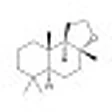 Ambroxan
 Vanilla
 Musk
Musk
 Woody Notes
The mood it creates
The Lover Archetype: Portrait of Amalfi Parfum De Mahzen
Essence
This person is most closely aligned with The Aesthete, an archetype that embodies sensuality, refinement, and a deep appreciation for beauty in all its forms. The Aesthete does not merely observe beauty-they seek to embody it, to dissolve into it, to let it shape their very existence. The fragrance they choose-Amalfi Parfum De Mahzen-is no accident. It is an olfactory poem of sunlit citrus, warm woods, and Mediterranean breezes, evoking the effortless elegance of coastal Italy. Like the scent, they are luminous yet grounded, delicate yet enduring.
But The Aesthete is not without shadows. Their devotion to beauty can slip into vanity, their pursuit of pleasure into indulgence, their idealism into escapism. They walk a fine line between connoisseur and hedonist, between artist and narcissist.
Style & Aesthetic
Their tastes are deliberate, curated as if life itself were an art gallery. They prefer the understated luxury of linen over ostentation, the patina of aged leather over the gloss of the new. Their home is a sanctuary of muted tones, textured fabrics, and carefully chosen objects-antique books, hand-thrown ceramics, a single stem of peonies in a slender vase. They do not follow trends; they follow instinct, drawn to what resonates rather than what is prescribed.
They are drawn to art that evokes longing-the melancholic warmth of a Hopper painting, the slow unraveling of a Tarkovsky film, the aching precision of a Rilke poem. Music, too, is an intimate affair: perhaps the velvety restraint of Chet Baker, the layered complexity of Nils Frahm, or the raw sensuality of Jeff Buckley.
They structure their days with quiet rituals-morning espresso in a thin porcelain cup, evening walks as the light fades, journaling in the blue hour before sleep. They are not lazy hedonists; they understand that true pleasure requires discipline.
Yet when the shadow takes hold, they may tip into excess-too much wine, too many late nights chasing ephemeral thrills, too much time lost in daydreams. Their challenge is to remain rooted, to temper their idealism with pragmatism.
Philosophy & Values
For them, beauty is not superficial-it is an ethical stance. They believe that how one engages with the world aesthetically reflects one’s inner life. To live beautifully is to live deliberately, to reject the vulgarity of haste, the crudeness of thoughtlessness. They value presence-the ability to savor a moment, to truly see, to truly feel.
Yet this philosophy has its pitfalls. Their disdain for the mundane can make them impatient with those who do not share their sensibilities. They may mistake aesthetic discernment for moral superiority, quietly judging those who lack their refinement.
Relationships
They do not love carelessly. Relationships, for them, are a form of communion-an exchange of souls as much as bodies. They are drawn to people who possess depth, mystery, and a certain poetic sadness. Their love language is subtle: a handwritten note tucked into a book, a playlist made with excruciating care, a lingering touch that speaks volumes.
But their idealism can be their undoing. They crave intensity, and when reality fails to match their romantic visions, they may withdraw or grow disillusioned. Their partners may feel they are loved more as muses than as real, flawed humans.
Shadow
The greatest danger for The Aesthete is mistaking the container for the content. They may become so enamored with the idea of beauty that they forget to live it. Their pursuit of the perfect moment can make them restless, always searching, never satisfied. And in their quest to avoid the ordinary, they may miss the quiet magic of the everyday.
But when balanced, they are alchemists-turning the raw material of life into something luminous. They remind us that to live well is not merely to exist, but to perceive, to feel, to create. And in that, they are both artist and artwork, both the painter and the painted.
If you like this, try these
Fragrances with a comparable profile - shared accords, notes, and character.
Parfums de Marly
Valaya Parfums De Marly
Shared top notes: aldehydes, bergamot, mandarin orange

Elizabeth Arden
Pretty Elizabeth Arden
Shared top notes: mandarin orange, orange blossom, peach
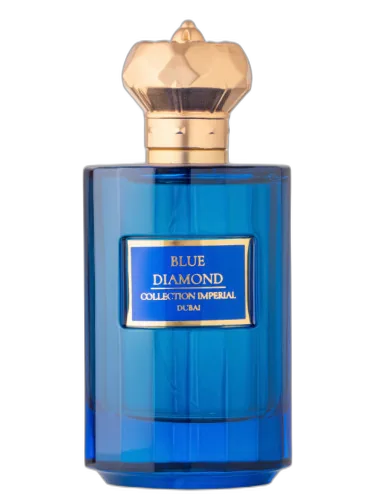
Imperial Parfums
Blue Diamond Imperial Parfums
Shared top notes: bergamot, mandarin orange, orange blossom

Orientica Premium
Areej Oud Anaqa Orientica Premium
Shared top notes: mandarin orange, orange blossom

Jean Paul Gaultier
Classique Jean Paul Gaultier
Shared top notes: bergamot, mandarin orange, orange blossom