
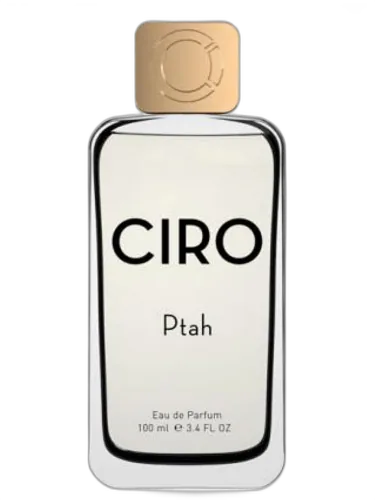

Ptah Parfums Ciro
At a glance
Is Ptah Parfums Ciro worth trying?
Ptah by Parfums Ciro is a fragrance for women and men.
- Best match
- Evening wear in Fall
- Performance feel
- Very Good longevity with Moderate sillage
- Signature profile
- aromatic, warm spicy, fresh spicy with Sage, Ginger, Calabrian bergamot
The first impression
Ptah by Parfums Ciro is a fragrance for women and men. Ptah was launched in 2018. The nose behind this fragrance is Alexandra Carlin. Top notes are Sage, Ginger, Calabrian bergamot and elemi; middle notes are Incense, Geranium and Orris Root; base notes are Leather, Vetiver, Tonka Bean and Bourbon Vanilla.
What shapes the scent
The perfumer behind it

Alexandra Carlin
Alexandra Carlin is a French perfumer who has worked with major houses including Amouage and Affinessence. Her style often balances rich, textured materials like leather and spices with unexpected softness, as seen in Cuir Curcuma and Santal Basmati. She has created several notable Amouage fragrances, including the elegant Dia 40 Woman and the opulent Honour 43 Woman.
Notes pyramid
Top Notes
First impression · 15-30 min
 Sage
Sage
 Ginger
 Calabrian bergamot
elemi
Calabrian bergamot
elemi
Heart Notes
Core character · 2-4 hours
 Incense
 Geranium
 Orris Root
Base Notes
Lasting impression · 4+ hours
 Leather
 Vetiver
 Tonka Bean
Bourbon Vanilla
Tonka Bean
Bourbon Vanilla
The mood it creates
The Sage Archetype: Portrait of Ptah Parfums Ciro
Essence
Ptah Parfums’ Ciro is a scent of quiet depth-earthy yet refined, mysterious yet composed. It does not announce itself with brashness but lingers with the weight of wisdom, like an ancient manuscript or the scent of aged leather and rare spices. The person who chooses Ciro is not one who seeks to dominate a room but to understand it. They are, above all, a Sage-an archetype defined by intellect, introspection, and the pursuit of truth.
The Sage thrives on knowledge, not as mere accumulation but as a means of deciphering the world’s hidden patterns. They are drawn to the subtle, the complex, the things that require patience to unravel. Ciro suits them because it is not an immediate revelation but a layered experience, much like their own mind.
Style & Aesthetic
Their appearance is deliberate but never ostentatious. They favor timeless, well-crafted garments-tailored wool, aged leather, fabrics with texture and history. Their style is understated, yet there is always an element of the unexpected: a vintage pocket watch, a scarf in an unusual shade of deep green, a ring with an obscure symbol.
They are drawn to objects that tell stories-antique books, handwritten letters, art that demands interpretation. Their home is a curated space, not sterile but lived-in, filled with artifacts of thought: a well-worn armchair by a reading lamp, shelves lined with philosophy and esoteric literature, a desk where ink-stained notebooks lie open.
Their days are structured around rituals of thought. Mornings might begin with black coffee and a book, evenings with journaling or solitary walks. They are drawn to disciplines that require patience-chess, calligraphy, classical music, or the study of ancient languages.
They are not ascetics, but they disdain excess. A fine whiskey is appreciated for its craftsmanship, not its intoxication. Travel is undertaken not for escapism but for the expansion of understanding-they are more likely to wander through a museum or an old library than a crowded beach.
Philosophy & Values
To the Sage, life is a puzzle to be solved, a text to be interpreted. They are skeptical of dogma, preferring to question rather than accept. Their guiding principle is clarity-not the cold, detached clarity of logic alone, but one that integrates intuition and experience. They value wisdom over power, insight over influence.
Yet, their pursuit of truth is not without its shadows. The Sage risks becoming lost in abstraction, mistaking the map for the territory. They may disdain those who act without deliberation, seeing them as reckless, while failing to recognize their own paralysis in analysis. Their greatest fear is ignorance-not just in others, but in themselves.
Relationships
The Sage is not a social butterfly, but neither are they a recluse. They seek conversation, not chatter. Their friendships are few but profound, built on mutual respect for depth and curiosity. They are drawn to those who challenge them, who introduce new ideas or perspectives they had not considered.
Yet, their intellectual rigor can become a barrier. They may unconsciously dismiss emotions as irrational, struggling to engage with raw vulnerability. Their partners or close friends might find them frustratingly detached at times, retreating into their mind when faced with emotional turbulence.
Shadow
The Sage’s greatest weakness is their tendency to over-intellectualize. Life is not merely a problem to be solved; sometimes, it must be lived without dissection. Their skepticism can harden into cynicism, their love of wisdom into a disdain for those who do not share it.
They may also struggle with inaction, waiting for perfect understanding before committing to a path. The world does not wait for absolute certainty, and the Sage who hesitates too long may find themselves an observer rather than a participant in their own life.
Conclusion
When the Sage embraces both reason and intuition, when they allow themselves to act as well as reflect, they become not just a thinker but a guide. Their wisdom, when shared with humility, can illuminate the paths of others. Ciro is their scent because it, too, is a quiet teacher-revealing its secrets only to those who take the time to listen.
They are the keeper of forgotten knowledge, the one who reminds us that some truths are not shouted but whispered. And in that whisper, there is power.
If you like this, try these
Fragrances with a comparable profile - shared accords, notes, and character.
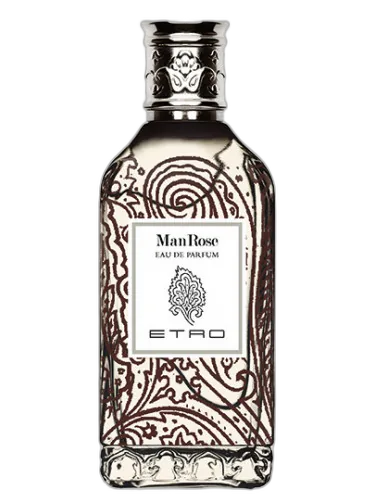
Etro
Manrose Etro
Shared top notes: calabrian bergamot
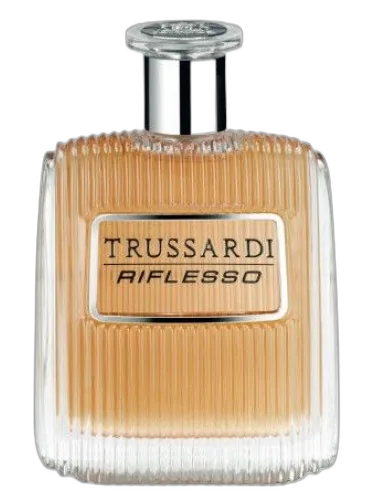
Trussardi
Riflesso Trussardi
Shared heart notes: geranium
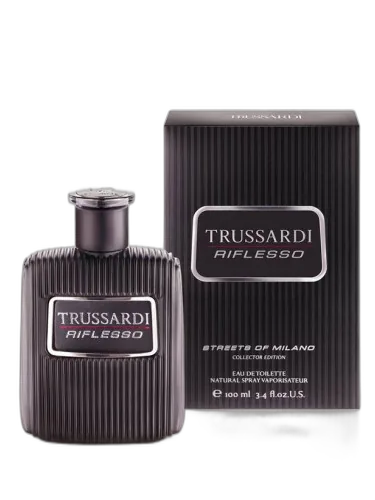
Trussardi
Riflesso Streets Of Milano Trussardi
Shared heart notes: geranium
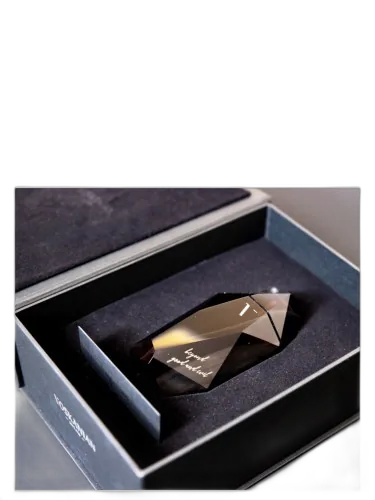
Voskanian Parfums
Beyond Good And Evil Voskanian Parfums
Shared heart notes: geranium, incense
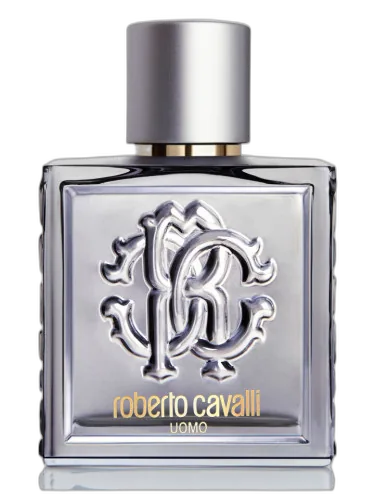
Roberto Cavalli
Roberto Cavalli Uomo Silver Essence Roberto Cavalli
Shared top notes: ginger