
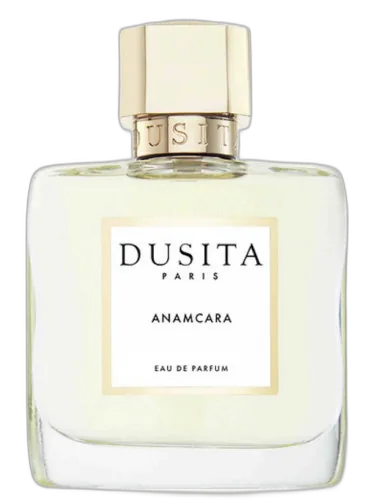

Anamcara Parfums Dusita
At a glance
Is Anamcara Parfums Dusita worth trying?
Anamcara by Parfums Dusita is a Floral Woody Musk fragrance for women and men.
- Best match
- Casual, Office wear in Spring, Summer
- Performance feel
- Good longevity with Moderate sillage
- Signature profile
- white floral, citrus, woody with Tunisian Orange Blossom, Blood Orange, Freesia
The first impression
Anamcara by Parfums Dusita is a Floral Woody Musk fragrance for women and men. Anamcara was launched in 2021. The nose behind this fragrance is Pissara Umavijani. Top notes are Tunisian Orange Blossom, Blood Orange and Freesia; middle notes are Tuberose, Tea, Peach, Jasmine Sambac, Madagascar Vanilla and Rose de Mai; base notes are Haitian Vetiver, Indonesian Patchouli Leaf, Australian Sandalwood and Virginian Cedar.
What shapes the scent
The perfumer behind it

Pissara Umavijani
Pissara Umavijani is the founder and perfumer of Parfums Dusita, a niche house based in Paris. She has created fragrances such as Anamcara, Cavatina, Erawan, and Issara. Her work is inspired by Thai poetry and nature, blending floral, woody, and gourmand notes.
Notes pyramid
Top Notes
First impression · 15-30 min
 Tunisian Orange Blossom
 Blood Orange
 Freesia
Heart Notes
Core character · 2-4 hours
 Tuberose
 Tea
Tea
 Peach
Jasmine Sambac
Madagascar Vanilla
Rose de Mai
Peach
Jasmine Sambac
Madagascar Vanilla
Rose de Mai
Base Notes
Lasting impression · 4+ hours
Haitian Vetiver
Indonesian Patchouli Leaf
 Australian Sandalwood
Virginian Cedar
Australian Sandalwood
Virginian Cedar
The mood it creates
The Mystic Archetype: Portrait of Anamcara Parfums Dusita
Essence
Anamcara embodies the Mystic-a seeker of the sublime in the everyday. The fragrance’s luminous orange blossom and vetiver suggest a bridge between heaven and earth, a soul attuned to whispers of the divine. This is for those who find prayer in sunlight on tea leaves, who sense the eternal in a fleeting bloom.
The tuberose and vanilla add a sensual warmth, a reminder that transcendence need not deny the body. Like the Mystic, the scent is both ethereal and deeply rooted.
Style & Aesthetic
They wear flowing fabrics that catch the light-linen, raw silk, layers of translucent white. Their jewelry is minimal, perhaps a single stone believed to hold energy. Their living space is airy, with bowls of citrus fruit and fresh flowers, a meditation cushion near a window.
Colors are soft-creams, pale greens, the blush of peach. The aesthetic is serene but never sterile, as if the room itself breathes.
Philosophy & Values
They believe in the sacredness of attention. The tea note speaks to their rituals-steeping leaves, observing steam, finding stillness in motion. For them, beauty is a form of devotion, and every act, no matter how small, can be mindful.
The jasmine and rose reflect their belief in love as the ultimate mystery. They seek connections that feel fated, friendships that resonate like a struck bell.
Relationships
They attract those hungry for meaning-not through preaching, but through their presence alone. Romantic partners are often artists or healers, drawn to their quiet intensity. Conversations with them feel like uncovering secrets you’d forgotten you knew.
They listen more than they speak, but when they do, their words carry weight. Their laughter is rare but bright, like the blood orange’s sudden tang.
Lifestyle
Mornings begin with stretching, a cup of tea savored slowly, perhaps a few lines of Rumi copied into a journal. They work in fields that require sensitivity-therapy, poetry, botany-or they’ve carved out a niche that defies conventional labels.
Evenings might involve moon-gazing or reading tarot for friends. They retire early, rising sometimes to jot down dreams before they fade.
Shadow
Their detachment can tip into disengagement, the sandalwood’s dryness becoming emotional reserve. They may struggle with the mundane-bills, deadlines, the dull ache of routine. The peach’s fleeting sweetness hints at a fear of impermanence, a reluctance to fully inhabit the present.
At times, their spirituality becomes a shield, avoiding earthly complexities in favor of the abstract.
Conclusion
Anamcara is the scent of a soul in dialogue with the invisible. It suits those who walk between worlds, for whom the ordinary is always trembling on the edge of revelation. To wear it is to remember that every breath is a kind of grace.
If you like this, try these
Fragrances with a comparable profile - shared accords, notes, and character.
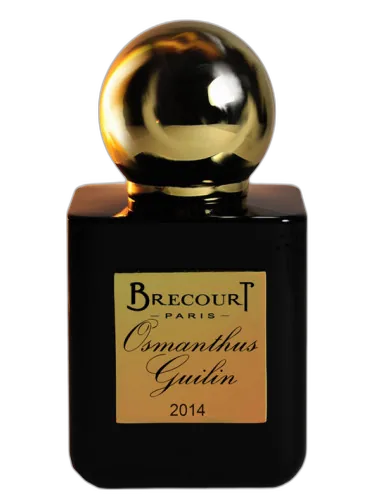
Brecourt
Osmanthus Guilin Brecourt
Shared heart notes: jasmine sambac, peach, tuberose

Maison Martin Margiela
Flower Market Maison Martin Margiela
Shared top notes: freesia
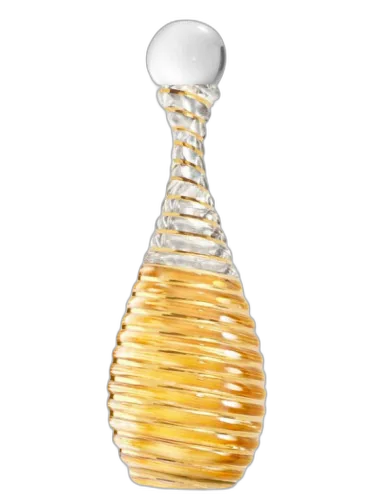
Dior
J'adore Eau De Parfum Infinissime X India Mahdavi Dior
Shared top notes: blood orange
Commodity
Vetiver Commodity
Shared heart notes: jasmine sambac

Christina Aguilera
Inspire Christina Aguilera
Shared top notes: freesia