


Passport St. Moritz Paris Hilton
At a glance
Is Passport St. Moritz Paris Hilton worth trying?
Passport St.
- Best match
- Casual wear in Summer
- Performance feel
- Moderate longevity with Moderate sillage
- Signature profile
- fresh, green, aquatic with Water Notes, Mountain Air, Amalfi Lemon
The first impression
Passport St. Moritz by Paris Hilton is a Floral Green fragrance for women. Passport St. Moritz was launched in 2011. Top notes are Water Notes, Mountain Air, Amalfi Lemon, Green Notes, Pear and Ivy; middle notes are Red Poppy, Lily-of-the-Valley, Jasmine, Freesia and Peony; base notes are Musk, Sandalwood and Amber.
What shapes the scent
The perfumer behind it

Unknown Perfumer
Notes pyramid
Top Notes
First impression · 15-30 min
 Water Notes
 Mountain Air
 Amalfi Lemon
 Green Notes
 Pear
Pear
 Ivy
Ivy
Heart Notes
Core character · 2-4 hours
Red Poppy
 Lily-of-the-Valley
 Jasmine
 Freesia
 Peony
Peony
Base Notes
Lasting impression · 4+ hours
 Musk
Musk
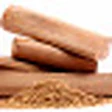 Sandalwood
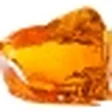 Amber
Amber
The mood it creates
The Wanderer Archetype: Portrait of Passport St. Moritz Paris Hilton
Essence
To wear Passport St. Moritz by Paris Hilton is to embrace a paradox-a scent that is both playful and sophisticated, carefree yet deliberate. This fragrance, with its blend of crisp apple, jasmine, and warm vanilla, speaks to someone who thrives on movement, novelty, and the thrill of the unknown. The archetype that best defines this person is the Wanderer, the eternal seeker who finds meaning not in permanence but in the journey itself.
The Wanderer is not bound by convention. Their life is an experiment, a series of fleeting moments stitched together by curiosity. They are drawn to experiences that promise transformation-travel, new friendships, spontaneous adventures. Their philosophy is simple: To stand still is to stagnate. They reject rigid structures, preferring the fluidity of an unscripted life.
Their tastes reflect this restlessness. They favor bold, eclectic styles-vintage leather jackets paired with modern streetwear, or bohemian dresses with sleek sneakers. Their home, if they have one, is a curated chaos: souvenirs from distant cities, half-read books stacked on nightstands, and a wardrobe that could outfit a dozen different personas. Music, art, and food are consumed voraciously, not as mere pleasures but as gateways to new ways of being.
Shadow
Yet the Wanderer’s refusal to settle is also their flaw. Beneath the charm lies a reluctance to face the mundane, the ordinary, the necessary struggles of rooted existence. They mistake movement for growth, confusing new horizons with true evolution. When challenges arise, they are tempted to flee-whether it’s a difficult conversation, a career plateau, or the slow work of intimacy.
This avoidance can leave them feeling hollow. The thrill of the next destination fades, and they may find themselves questioning: Have I truly lived, or merely passed through? Their relationships, though vibrant, often lack depth, as they struggle to stay present when the initial excitement wanes.
Conclusion
The Wanderer’s greatest strength is their ability to adapt. They move through social circles with ease, absorbing languages, customs, and attitudes like a chameleon. People are drawn to their energy-they are storytellers, weaving tales of their escapades with infectious enthusiasm. They value freedom above all else, and this makes them fiercely independent.
In relationships, they are magnetic but elusive. They love deeply, though often briefly, leaving traces of themselves in the hearts of those they meet. Their partners remember them not with bitterness but with a wistful fondness-like a dream that lingers upon waking. They are not afraid of solitude, for they carry their own company well.
If you like this, try these
Fragrances with a comparable profile - shared accords, notes, and character.

Natura
Humor 1 Natura
Shared top notes: pear
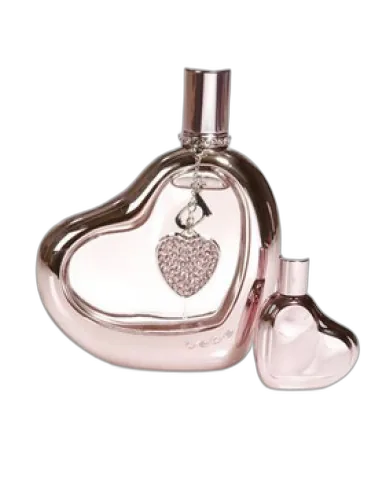
Bebe
Sheer Bebe
Shared heart notes: freesia, jasmine, peony
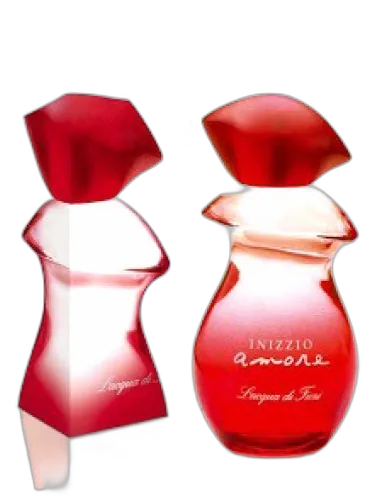
L'acqua di Fiori
Inizzio Amore L'acqua Di Fiori
Shared top notes: pear

Natura
Faces Infinita Natura
Shared top notes: pear
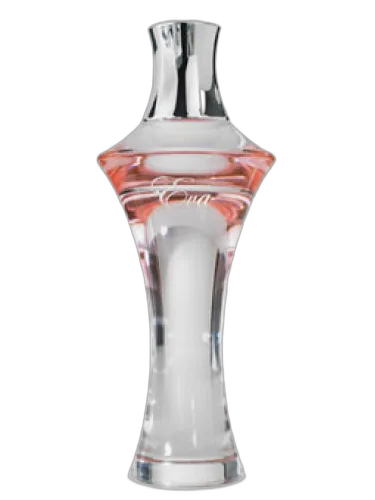
Eva Longoria
Eva Eva Longoria
Shared heart notes: freesia, jasmine, lily-of-the-valley