
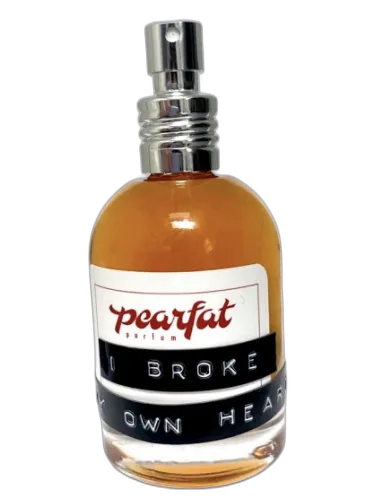

I Broke My Own Heart Pearfat Parfum
At a glance
Is I Broke My Own Heart Pearfat Parfum worth trying?
I Broke My Own Heart by Pearfat Parfum is a Floral Fruity Gourmand fragrance for women and men.
- Best match
- Evening wear in Any
- Performance feel
- Good longevity with Moderate sillage
- Signature profile
- coconut, woody, marine with Coconut, Sandalwood, Seaweed
The first impression
I Broke My Own Heart by Pearfat Parfum is a Floral Fruity Gourmand fragrance for women and men. This is a new fragrance. I Broke My Own Heart was launched in 2022. The nose behind this fragrance is Alie Kiral.
What shapes the scent
The perfumer behind it

Alie Kiral
Alie Kiral is the founder and nose behind the independent brand Pearfat Parfum, known for creating fragrances that are playful, narrative-driven, and often inspired by everyday moments. Their olfactory style blends unexpected contrasts, such as fruity and green notes with gourmand or metallic accents, resulting in scents that feel both whimsical and grounded. Notable creations from the catalog include "2030 Park Ave," "Bread + Roses," and "I Broke My Own Heart," each showcasing Kiral's talent for translating personal stories into wearable, unconventional compositions.
Notes pyramid
All Notes
Complete scent profile
 Coconut
 Sandalwood
 Seaweed
 Jasmine
 Petitgrain
The mood it creates
The Lover Archetype: Portrait of I Broke My Own Heart Pearfat Parfum
Essence
To wear I Broke My Own Heart Pearfat Parfum is to embrace the paradox of pleasure and pain, to steep oneself in the bittersweet nectar of memory and longing. This is not a scent for those who fear the depths of their own emotions; it is for the one who dives willingly into the abyss of feeling, knowing full well they may drown.
At their core, this person is defined by The Lover archetype-driven by passion, sensuality, and an unshakable belief in the transformative power of connection. They do not merely experience love; they are consumed by it, shaped by it, reborn in its wake. Their heartbreak is not a failure but a ritual, a necessary shedding of skin to make room for new tenderness.
Yet, like all archetypes, The Lover has its shadow. Where there is ecstasy, there is also obsession; where there is devotion, there is sometimes delusion. They walk the fine line between romantic idealism and self-destruction, between profound intimacy and suffocating need.
Relationships
In love, they are both the healer and the wounded. They give freely, often too freely, offering their heart before it has fully mended from the last fracture. Their partners are drawn to their depth, their ability to make even ordinary moments feel sacred. But there is danger here-their need to merge with another can blur boundaries, turning devotion into dependence.
Friendship, for them, is a kind of kinship of the soul. They collect kindred spirits, those who understand the weight of feeling. But they also struggle with envy, with the quiet fear that others love more lightly, more easily, without the same crushing vulnerability.
Shadow
The Lover’s greatest weakness is their refusal to let go. They romanticize pain, clinging to old heartbreaks as if they were sacred relics. In their darkest moments, they mistake suffering for depth, believing that to love is to hurt, and to hurt is to be alive.
They may also grow possessive, mistaking intensity for authenticity. The line between passion and control can blur, leaving them-and those they love-feeling trapped in a cycle of longing and disillusionment.
Conclusion
Their tastes are decadent but deliberate-vintage silk blouses, handwritten letters, the kind of music that makes strangers in bars confess their secrets. They surround themselves with beauty, not as mere decoration, but as an act of resistance against the mundane. Their home is a sanctuary of textures: velvet drapes, well-worn books, candles burned down to stubs.
Philosophically, they are drawn to the idea that suffering and joy are inseparable-that love, in all its forms, is worth the inevitable wounds. They do not believe in half-measures; if they love, they love fiercely, and if they grieve, they do so with the same intensity.
If you like this, try these
Fragrances with a comparable profile - shared accords, notes, and character.
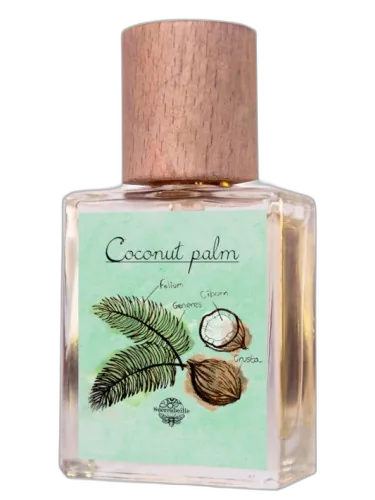
Sucreabeille
Coconut Palm Sucreabeille
Shared top notes: coconut, petitgrain

Etat Libre d'Orange
Secretions Magnifiques Etat Libre D'orange
Shared top notes: coconut, sandalwood, seaweed
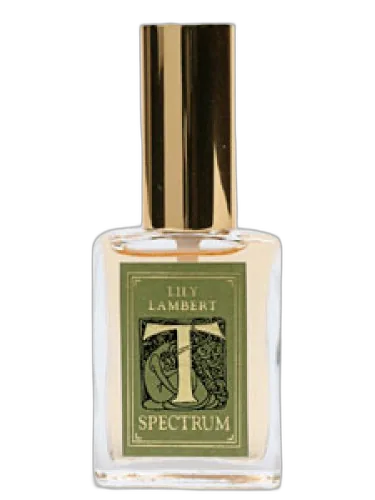
Lily Lambert
Spectrum T Lily Lambert
Shared top notes: coconut, sandalwood

Parfums d'Elmar
Yaringa Parfums D'elmar
Shared top notes: coconut, seaweed

Gai Mattiolo
That's Amore! Gai Mattiolo Exotic Paradise Lei Hawaiian Vanilla Gai Mattiolo
Shared top notes: coconut