
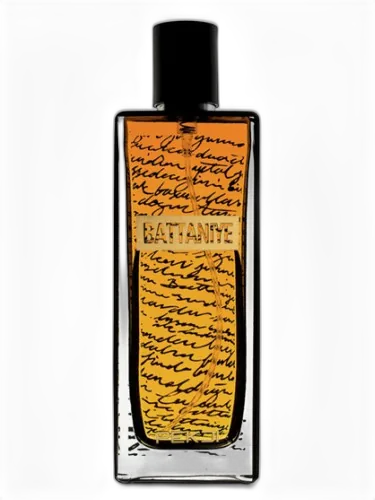

Battaniye Pekji
At a glance
Is Battaniye Pekji worth trying?
Battaniye by Pekji is a Oriental Woody fragrance for women and men.
- Best match
- Casual wear in Winter
- Performance feel
- Good longevity with Moderate sillage
- Signature profile
- earthy, woody, amber with Patchouli, Soil Tincture, Ash
The first impression
Battaniye by Pekji is a Oriental Woody fragrance for women and men. Battaniye was launched in 2018. The nose behind this fragrance is Ömer Ipekçi.
What shapes the scent
The perfumer behind it

Ömer Ipekçi
Ömer Ipekçi is a perfumer known for his work with the brands -DIS and Pekji, creating avant-garde and conceptual fragrances. The -DIS series explores abstract themes like decay, concrete, and paradox, while Pekji offerings such as Battaniye and Blacklight push boundaries with unconventional materials. Cuir6 and Flesh further demonstrate his interest in raw, tactile scents.
Notes pyramid
All Notes
Complete scent profile
 Patchouli
 Soil Tincture
 Ash
Ash
 Amber
Amber
 Labdanum
Java vetiver oil
Labdanum
Java vetiver oil
 Wool
Wool
 Honeysuckle
 Musk
Musk
The mood it creates
The Innocent Archetype: Portrait of Battaniye Pekji
Essence
To wear Battaniye Pekji is to wrap oneself in the scent of comfort, warmth, and quiet intimacy-a fragrance that evokes the embrace of a well-worn blanket, the soft glow of candlelight, and the slow, deliberate rituals of home. The person who cherishes this fragrance is one who seeks not the grand spectacle of life, but its tender undercurrents. They are, at their core, the Nurturer-an archetype rooted in care, stability, and the quiet strength of presence.
This individual thrives in the spaces between people, in the unspoken bonds that form through shared warmth. They are the one who remembers how you take your tea, who folds an extra blanket over the couch for guests, who listens not just to respond, but to truly absorb. Their philosophy is simple yet profound: life is made meaningful in the small, deliberate acts of kindness.
Their tastes are understated but deeply intentional. They prefer natural textures-wool, linen, unpolished wood-and their home is a sanctuary of soft lighting, well-loved books, and the faint hum of a record player in the background. They are drawn to art that captures quiet moments: still lifes, domestic scenes, the poetry of ordinary life. Their wardrobe leans toward timeless, tactile fabrics-nothing ostentatious, but everything chosen for its ability to comfort and endure.
Shadow
Yet, like all archetypes, the Nurturer has a shadow. Their devotion to care can tip into self-effacement-they may neglect their own needs, believing their worth lies solely in their ability to sustain others. Resentment can simmer beneath the surface, unspoken but palpable, when their efforts go unnoticed.
There is also a quiet resistance to change-a fear that if they loosen their grip on the routines and comforts they’ve built, everything will unravel. This can make them overly cautious, hesitant to take risks or embrace spontaneity. Their home, while a sanctuary, can also become a fortress, shielding them from the messiness of the outside world.
Conclusion
The Nurturer’s greatest gift is their ability to make others feel seen and held. They are not the life of the party, but the steady presence that makes the party feel like home. Their relationships are built on deep trust; they are the confidant, the one who offers solace without judgment. They value loyalty, authenticity, and the slow cultivation of intimacy over fleeting connections.
Their lifestyle reflects this-they are deliberate in their routines, finding joy in rituals like morning coffee, handwritten letters, or the careful preparation of meals. They are not driven by ambition in the traditional sense, but by the desire to create a life that feels nourishing, both for themselves and those they love.
If you like this, try these
Fragrances with a comparable profile - shared accords, notes, and character.
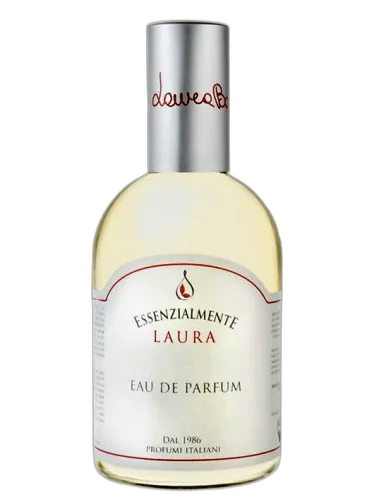
Essenzialmente Laura
Ombra Essenzialmente Laura
Shared top notes: amber, labdanum, patchouli

Subhi Khalilbayov
Money Bag Subhi Khalilbayov
Shared top notes: amber, musk, patchouli

Pierre Guillaume Paris
Intrigant Patchouli 08 Pierre Guillaume Paris
Shared top notes: amber, musk, patchouli

Platinum J
Mix 11 Platinum J
Shared top notes: amber, patchouli
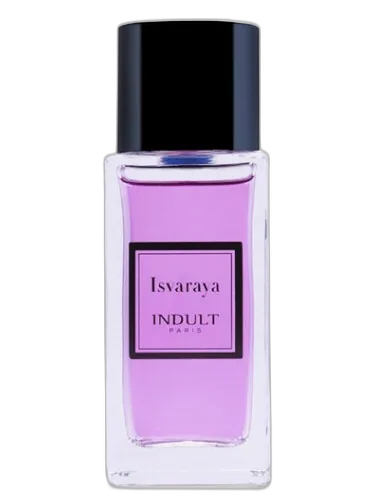
Indult
Isvaraya (2024) Indult
Shared top notes: amber, labdanum, patchouli