
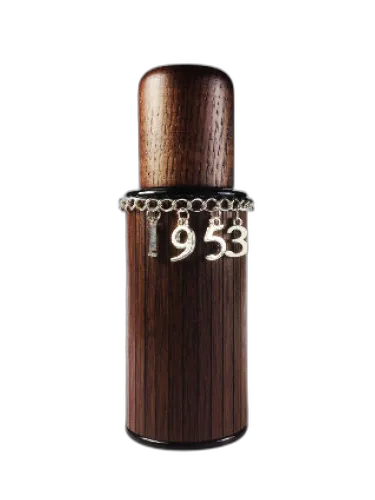

1953 Pour Homme Pell Wall Perfumes
At a glance
Is 1953 Pour Homme Pell Wall Perfumes worth trying?
1953 Pour Homme by Pell Wall Perfumes is a Aromatic Spicy fragrance for men.
- Best match
- Evening wear in Fall, Winter
- Performance feel
- Good longevity with Strong sillage
- Signature profile
- amber, citrus, white floral with Bergamot, Citron, Neroli
The first impression
1953 Pour Homme by Pell Wall Perfumes is a Aromatic Spicy fragrance for men. 1953 Pour Homme was launched in 2013. The nose behind this fragrance is Chris Bartlett. Top notes are Bergamot, Citron and Neroli; middle notes are Tobacco, Jasmine, Rose, French orange flower, Cinnamon and Violet Leaf; base notes are Ambergris, Benzoin, Musk, Cedar, Vanilla and Civet.
What shapes the scent
The perfumer behind it

Chris Bartlett
Chris Bartlett is a British perfumer and the founder of Pell Wall Perfumes, where he creates a wide range of fragrances. His catalog includes classics like 1953 Eau De Toilette and 1953 Pour Homme, as well as more unique offerings such as Anjin, Devana, Equistem, Green Carnation, Jacinth, and Lasting Lavender. His work often explores traditional and modern perfumery techniques.
Notes pyramid
Top Notes
First impression · 15-30 min
 Bergamot
 Citron
 Neroli
Heart Notes
Core character · 2-4 hours
 Tobacco
 Jasmine
 Rose
Rose
 French orange flower
 Cinnamon
 Violet Leaf
Base Notes
Lasting impression · 4+ hours
 Ambergris
 Benzoin
 Musk
Musk
 Cedar
Cedar
 Vanilla
 Civet
Civet
The mood it creates
The Sage Archetype: Portrait of 1953 Pour Homme Pell Wall Perfumes
Essence
This man is defined by the Sage-an archetype of wisdom, introspection, and quiet authority. He does not seek the spotlight, nor does he crave validation. Instead, he moves through life with measured precision, observing, analyzing, and distilling experience into knowledge. The fragrance he chooses-1953 Pour Homme by Pell Wall Perfumes-reflects this essence: a blend of classic sophistication, understated depth, and a whisper of something timeless.
Relationships
He is not a man of many friends, but those he keeps are bound by mutual respect rather than mere convenience. His relationships are few but fierce, built on intellectual sparring and unspoken loyalty. Romantic partners must match his depth-superficial charm does not move him. He seeks a counterpart who can engage him in debate at midnight, who understands silence as another form of conversation.
Yet, there is a distance in him, an emotional reserve that can be mistaken for coldness. He does not offer vulnerability easily; trust must be earned, and even then, he keeps a part of himself guarded.
Shadow
The Sage’s greatest strength is also his flaw: his self-sufficiency borders on isolation. He resists dependence, sometimes to the point of denying himself the warmth of human weakness. His analytical mind can become a prison-overthinking, dissecting emotions until they lose their vitality. There is a risk of arrogance, of believing his way of seeing the world is the only valid one.
At times, he withdraws too deeply, mistaking solitude for wisdom when it is merely avoidance. The world, with all its chaos and imperfection, frightens him in ways he will not admit.
Conclusion
His tastes are deliberate, never accidental. He prefers the weight of a well-bound book to the flicker of a screen, the slow burn of a single-malt whiskey to the immediacy of cheap intoxication. His wardrobe is minimal but exact-tailored wool, aged leather, fabrics that speak of endurance rather than trend. He is drawn to the patina of things, the way time etches character into objects, just as it does into men.
Philosophy is not an abstract exercise for him; it is a lens through which he interprets existence. Stoicism appeals to his sense of discipline, but he is not rigid-he understands the necessity of fluidity, of bending without breaking. His values are rooted in integrity, self-mastery, and quiet rebellion against the noise of modernity. He does not preach; he embodies.
If you like this, try these
Fragrances with a comparable profile - shared accords, notes, and character.
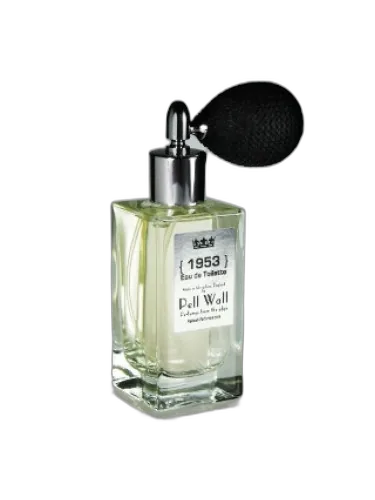
Pell Wall Perfumes
1953 Eau De Toilette Pell Wall Perfumes
Shared top notes: bergamot, citron, neroli
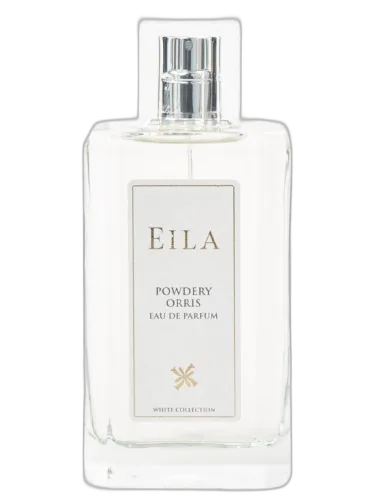
Eila
Powdery Orris Eila
Shared top notes: bergamot, neroli
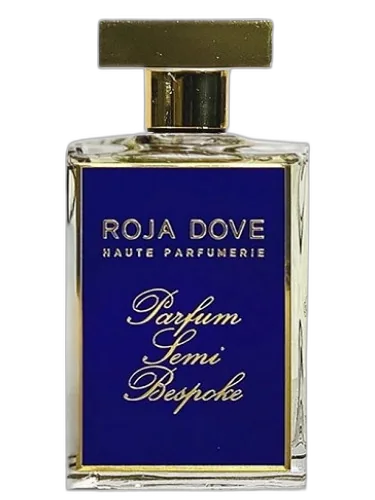
Roja Dove
Semi-bespoke No. 3 Roja Dove
Shared top notes: bergamot
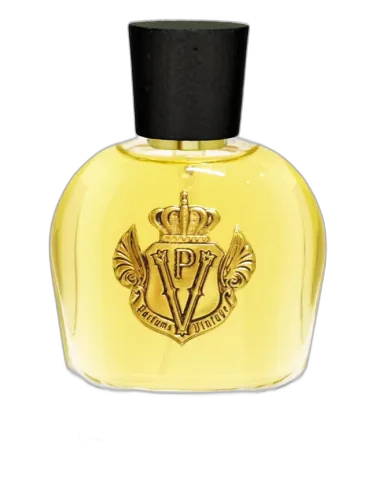
Parfums Vintage
Cacophony Parfums Vintage
Shared top notes: bergamot, neroli
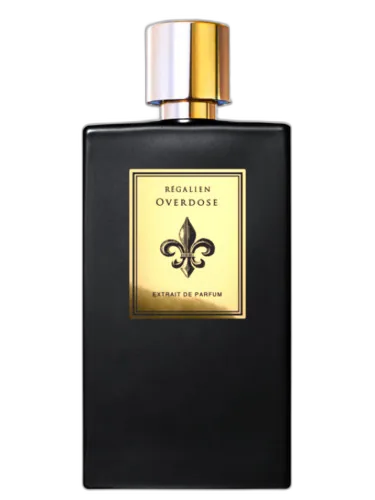
Regalien
Overdose Regalien
Shared top notes: bergamot, neroli