
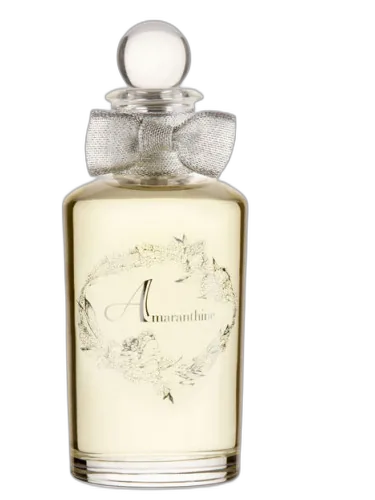

Amaranthine Penhaligon's
Fragrance Story
Amaranthine by Penhaligon's is a Oriental Floral fragrance for women. Amaranthine was launched in 2009. The nose behind this fragrance is Bertrand Duchaufour. Top notes are Palm Leaf, Cardamom, Freesia, Coriander and Tea; middle notes are Ylang-Ylang, Carnation, Clove, Jasmine, African Orange Flower and Rose; base notes are Milk, Vanilla, Musk, Sandalwood and Tonka Bean.
Composition Profile
About the Perfumer

Bertrand Duchaufour
Bertrand Duchaufour is a renowned French perfumer with a prolific career spanning many brands. He has created fragrances for Acqua di Parma, including Blu Mediterraneo - Cipresso Di Toscana and Colonia Assoluta, as well as for Aedes de Venustas, such as Café Tabac and Copal Azur. His style is known for its complexity and use of natural ingredients.
Fragrance Notes
Top Notes
First impression · 15-30 min
 Palm Leaf
 Cardamom
 Freesia
 Coriander
 Tea
Tea
Heart Notes
Core character · 2-4 hours
 Ylang-Ylang
 Carnation
 Clove
Clove
 Jasmine
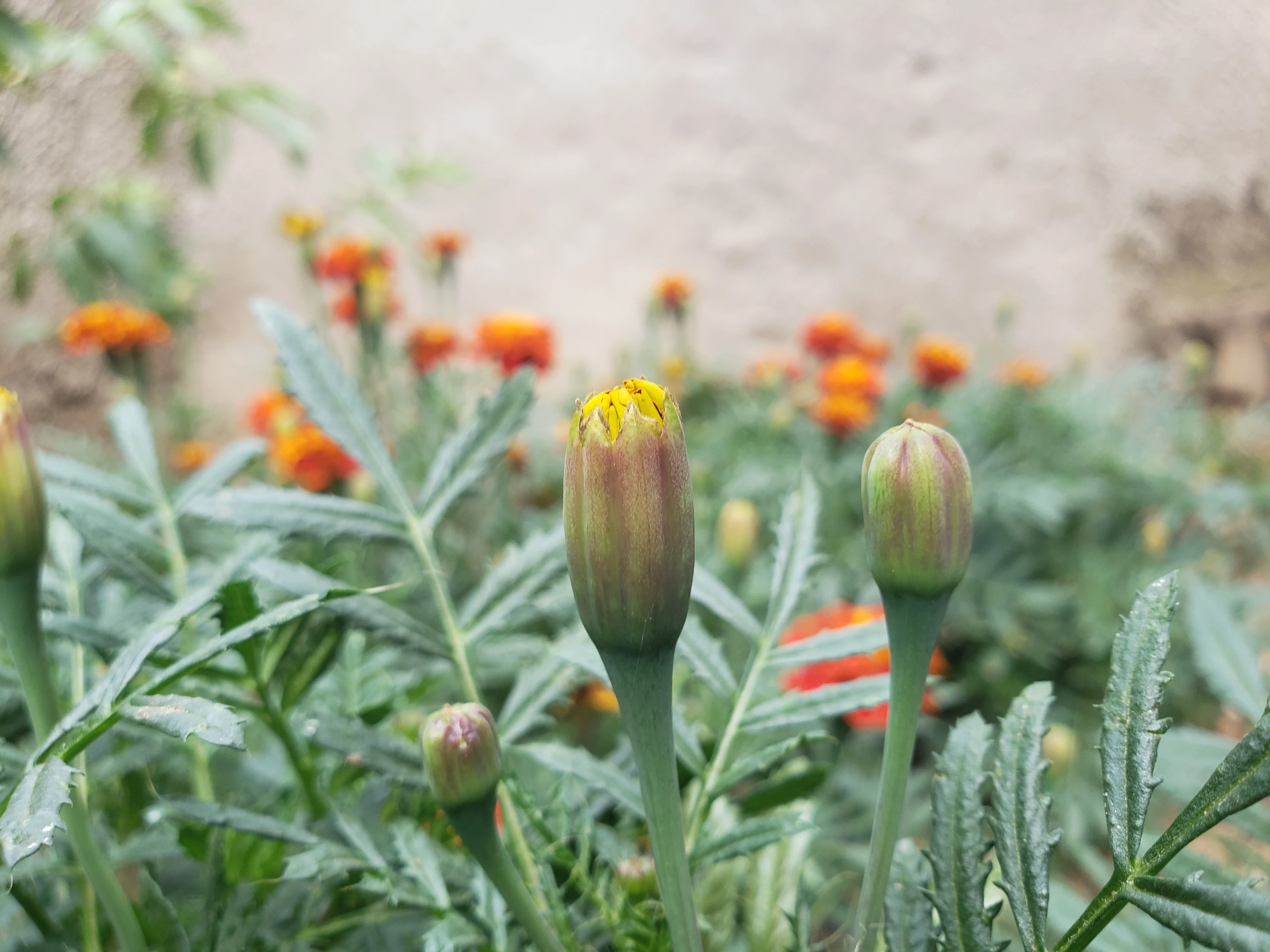 African Orange Flower
 Rose
Rose
Base Notes
Lasting impression · 4+ hours
 Milk
Milk
 Vanilla
 Musk
Musk
 Sandalwood
 Tonka Bean
Character Profile
The Lover Archetype: Portrait of Amaranthine Penhaligon's
Essence
Amaranthine by Penhaligon’s is a fragrance of contradictions-creamy yet green, floral yet musky, innocent yet knowing. It is not a scent for those who seek simplicity. The person who chooses it is drawn to complexity, to the interplay of light and shadow in all things. They are, at their core, the Lover archetype, driven by passion, sensuality, and a deep yearning for connection-not just with people, but with beauty, art, and life itself.
Style & Aesthetic
Their tastes are refined but never ostentatious. They prefer the quiet luxury of well-worn leather-bound books, the texture of raw silk, the muted glow of candlelight over harsh fluorescents. Their home is a sanctuary-eclectic, layered with objects that whisper stories: a vintage perfume bottle, a sketch from a forgotten artist, a dried sprig of lavender tucked into a mirror’s edge. They do not merely consume beauty; they curate it, as if assembling a personal mythology.
Philosophy is not an abstract exercise for them but a lived experience. They believe in the sacredness of pleasure, in the idea that to deny desire is to deny life. Yet theirs is not a hedonism of excess-it is a deliberate, almost spiritual pursuit of what stirs the soul. They might quote Rilke: "Beauty is nothing but the beginning of terror." For them, beauty is not passive; it demands surrender, vulnerability.
Relationships
They do not love lightly. Their relationships are intense, charged with an almost poetic devotion. When they care, they do so with their whole being-lovers become muses, friends become confidants in a shared secret. But this depth comes at a cost. Their hunger for connection can border on possessiveness; their idealization of others can blind them to flaws until disillusionment strikes like a sudden frost.
They are drawn to those who mirror their own complexity-people who are neither wholly good nor bad but vibrantly, messily human. Yet they struggle with the mundane, the routine. The lover in them craves ecstasy, but life is not always ecstatic. When passion fades into the ordinary, they may grow restless, seeking new intensities, new enchantments.
Shadow
Their greatest strength is also their greatest peril. The same sensitivity that allows them to perceive beauty in the smallest details also makes them prone to melancholy when the world fails to meet their ideals. They can become lost in longing, mistaking intensity for truth. At their worst, they may manipulate emotions-unconsciously-to sustain the drama they crave, or they may withdraw into a self-created fantasy, preferring the dream to reality.
Yet even their flaws are born of an excess of life, not a lack. Their hunger for meaning is not a weakness but a testament to their refusal to live half-heartedly.
Conclusion
To wear Amaranthine is to embrace the ephemeral-the fleeting bloom of jasmine, the soft decay of vanilla. The Lover knows that nothing lasts, and so they savor everything. They are not naive; they understand darkness. But they choose, again and again, to turn toward the light, to believe in the alchemy of desire.
They live as if life itself were a love letter-written in disappearing ink, achingly beautiful precisely because it will not last.
Similar Fragrances
Fragrances with a comparable profile - shared accords, notes, and character.
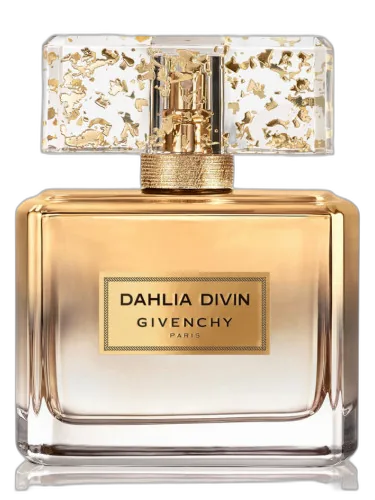
Givenchy
Dahlia Divin Le Nectar De Parfum Givenchy
Shared accords: aromatic, floral, sweet
Germaine Monteil
Soon Germaine Monteil
Shared accords: floral, sweet, vanilla

Rochas
Byzantine Rochas
Shared accords: floral, green, sweet

Illuminum
Black Gardenia Illuminum
Shared accords: aromatic, green, lactonic

Givenchy
Dahlia Divin Le Nectar Collector Edition Givenchy
Shared accords: aromatic, floral, sweet