
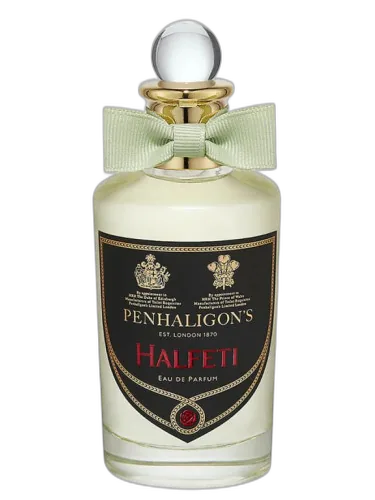

Halfeti Penhaligon's
Fragrance Story
Halfeti by Penhaligon's is a Oriental Woody fragrance for women and men. Halfeti was launched in 2015. The nose behind this fragrance is Christian Provenzano. Top notes are Cypress Leaf, Saffron, Cardamom, Artemisia, Bergamot and Grapefruit; middle notes are Bulgarian Rose, Nutmeg and Jasmine; base notes are Agarwood (Oud), Cedar, Leather, Sandalwood, Amber, Tonka Bean, Vanilla and Musk.
Composition Profile
About the Perfumer

Christian Provenzano
Christian Provenzano is a perfumer who has contributed to several Agent Provocateur fragrances, including the original Agent Provocateur, Maitresse, and Ménage À Trois. He also created Ambra Guaiac for Alysonoldoini and Diamond Dust Edition for Agent Provocateur. His work often features bold, sensual accords.
Fragrance Notes
Top Notes
First impression · 15-30 min
 Cypress Leaf
 Saffron
 Cardamom
 Artemisia
 Bergamot
 Grapefruit
Heart Notes
Core character · 2-4 hours
Bulgarian Rose
 Nutmeg
 Jasmine
Base Notes
Lasting impression · 4+ hours
.jpg) Agarwood (Oud)
Agarwood (Oud)
 Cedar
Cedar
 Leather
 Sandalwood
 Amber
Amber
 Tonka Bean
 Vanilla
 Musk
Musk
Halfeti Penhaligon's by Penhaligon's offers a distinctive olfactory experience that stands out from other fragrances in its category.
Crafted with the finest ingredients and a blend of traditional and modern perfumery techniques, this fragrance represents the pinnacle of the perfumer's art.
Halfeti Penhaligon's embodies the distinctive style of Penhaligon's while adding a unique chapter to their fragrance portfolio.
Character Profile
The Sovereign Archetype: Portrait of Halfeti Penhaligon's
Essence
The person who cherishes Halfeti by Penhaligon’s is most closely aligned with the Ruler archetype-a figure of controlled power, refined taste, and quiet authority. This fragrance, with its deep, smoky oud, leather, and spice, evokes a sense of gravitas, luxury, and mystery-qualities the Ruler embodies effortlessly. They do not seek dominance through force but through presence. Their life is an exercise in deliberate elegance, where every choice-from the books they read to the company they keep-reflects an unwavering sense of self-mastery.
Yet, like all archetypes, the Ruler has a shadow. Their need for control can slip into rigidity, their discernment into elitism, and their self-possession into emotional detachment. The very qualities that make them formidable can also isolate them.
Style & Aesthetic
Their tastes are deliberate, never accidental. They favor the timeless over the fleeting-dark tailored suits, vintage leather-bound books, and spaces where minimalism meets opulence. Their home is not cluttered but curated: a single antique desk, a well-worn Persian rug, a decanter of aged whiskey catching the light.
In art, they are drawn to the enigmatic-Caravaggio’s chiaroscuro, the brooding poetry of Rilke, the haunting compositions of Arvo Pärt. They appreciate beauty that demands contemplation, not passive consumption.
Halfeti’s blend of rose and oud mirrors this duality-opulent yet restrained, sensual yet severe. They wear it like armor, a scent that announces their arrival without a word.
Their career is not a job but a domain-whether in law, finance, academia, or the arts, they rise to positions of influence. They lead not by charisma but by competence. Colleagues admire them, though some resent their unshakable confidence.
Leisure is equally intentional. They travel not to escape but to deepen-Istanbul’s Grand Bazaar, a secluded villa in Tuscany, a midnight walk through Kyoto’s temple districts. Even in solitude, they are never idle; their mind is always working, weighing, refining.
Philosophy & Values
They believe in the sovereignty of the individual-not in the libertine sense, but in the Nietzschean ideal of self-overcoming. To them, freedom is not indulgence but mastery. They disdain chaos, seeing it as weakness, yet they are not puritanical. They understand pleasure but insist it be earned, savored, never squandered.
Their values are aristocratic in the classical sense: honor, excellence, discretion. They have little patience for frivolity or false modesty. If they respect you, they will show it through unwavering loyalty; if they do not, their indifference is colder than disdain.
Relationships
They do not collect friends; they cultivate alliances. Their inner circle is small, bound by mutual respect rather than neediness. Romantic partners must meet them as equals-intellectually, emotionally, aesthetically. They are not cruel, but they are exacting. Love, for them, is a pact of mutual elevation, not unconditional surrender.
Their shadow emerges here: their fear of vulnerability can make them distant. They may mistake emotional openness for weakness, retreating into self-sufficiency even when connection is what they crave.
Shadow
When unbalanced, the Ruler becomes the Tyrant. Their discernment curdles into arrogance; their self-control into emotional sterility. They may dismiss those who do not meet their standards, forgetting that wisdom also lies in humility.
Halfeti’s darkness mirrors this risk-what begins as depth can become suffocation. The same intensity that draws others in can push them away if wielded without grace.
Conclusion
To love Halfeti is to embrace power-both its grandeur and its weight. The Ruler walks a knife’s edge between strength and severity, between leadership and isolation. Yet when balanced, they are magnetic, a figure who commands not through force but through sheer presence.
They are not for everyone. But for those who understand them, they are unforgettable.
Similar Fragrances
Fragrances with a comparable profile - shared accords, notes, and character.
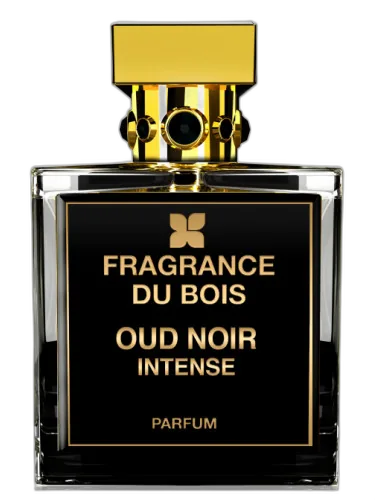
Fragrance Du Bois
Oud Noir Intense Fragrance Du Bois
Shared accords: aromatic, fresh spicy, oud

Clive Christian
C Clive Christian
Shared accords: amber, aromatic, fresh spicy
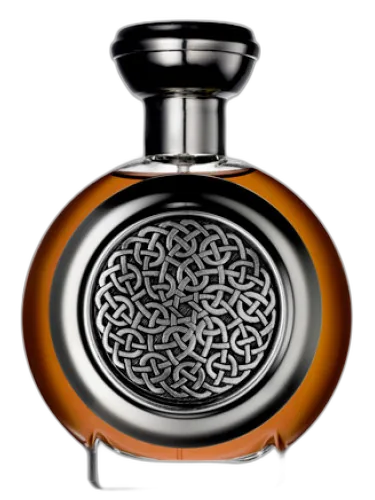
Boadicea the Victorious
Almas Boadicea The Victorious
Shared accords: aromatic, fresh spicy, leather
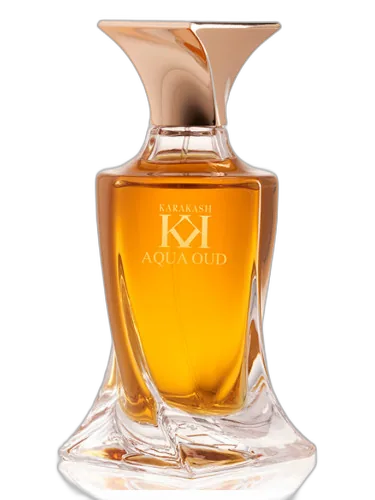
Karakash Perfume
Aqua Oud Karakash Perfume
Shared accords: aromatic, fresh spicy, leather
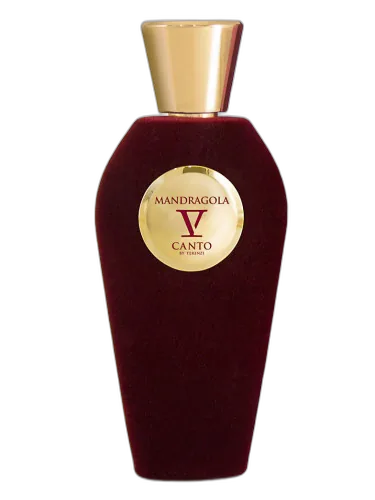
V Canto
Mandragola V Canto
Shared accords: amber, aromatic, fresh spicy