
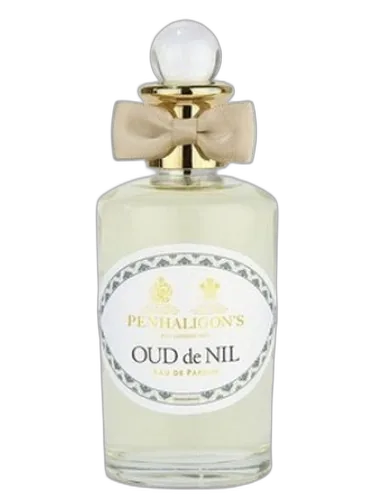

Oud De Nil Penhaligon's
Fragrance Story
Oud de Nil by Penhaligon's is a Oriental Floral fragrance for women. Oud de Nil was launched in 2016. The nose behind this fragrance is Christian Provenzano. Top notes are Bergamot and Grapefruit; middle notes are Rose, Geranium, Jasmine and Orange Blossom; base notes are Agarwood (Oud), Guaiac Wood, Papyrus, Resins and Amber.
Composition Profile
About the Perfumer

Christian Provenzano
Christian Provenzano is a perfumer who has contributed to several Agent Provocateur fragrances, including the original Agent Provocateur, Maitresse, and Ménage À Trois. He also created Ambra Guaiac for Alysonoldoini and Diamond Dust Edition for Agent Provocateur. His work often features bold, sensual accords.
Fragrance Notes
Top Notes
First impression · 15-30 min
 Bergamot
 Grapefruit
Heart Notes
Core character · 2-4 hours
 Rose
Rose
 Geranium
 Jasmine
 Orange Blossom
Base Notes
Lasting impression · 4+ hours
.jpg) Agarwood (Oud)
Agarwood (Oud)
 Guaiac Wood
 Papyrus
 Resins
 Amber
Amber
Oud De Nil Penhaligon's by Penhaligon's offers a distinctive olfactory experience that stands out from other fragrances in its category.
Crafted with the finest ingredients and a blend of traditional and modern perfumery techniques, this fragrance represents the pinnacle of the perfumer's art.
Oud De Nil Penhaligon's embodies the distinctive style of Penhaligon's while adding a unique chapter to their fragrance portfolio.
Character Profile
The Sage Archetype: Portrait of Oud De Nil Penhaligon's
Essence
Oud De Nil by Penhaligon’s is a fragrance of paradox-earthy yet refined, ancient yet contemporary, mysterious yet composed. It carries the weight of history in its oud base, softened by the freshness of bergamot and the warmth of amber. This duality mirrors the person who chooses it: one who seeks wisdom in the tension between tradition and modernity, depth and lightness, solitude and connection.
Shadow
Yet wisdom has its pitfalls. The Sage’s greatest strength-their detachment-can become their greatest flaw. In their pursuit of understanding, they may withdraw too far, mistaking observation for living. They risk becoming the Hermit, isolated in their own mind, where theories replace experiences.
Their critical nature, though often insightful, can turn into skepticism bordering on cynicism. They may dismiss what they cannot immediately comprehend, mistaking uncertainty for ignorance in others. At their worst, they become the silent judge, observing the world from a distance but refusing to engage with its messiness.
The ideal Sage knows when to step out of contemplation and into action. They understand that wisdom untested is merely speculation. Their challenge is to let their knowledge breathe-to apply it, share it, and occasionally surrender to the irrational currents of life.
When they succeed, they are the quiet guide, the voice of reason in chaos, the keeper of forgotten truths. When they falter, they become the recluse, lost in their own labyrinth of thought.
Oud De Nil is their perfect emblem-a scent that lingers between worlds, just as they do. It is not for those who seek simplicity, but for those who find beauty in the intricate dance of light and shadow.
Conclusion
This individual is most closely aligned with the Sage, an archetype defined by the pursuit of knowledge, introspection, and a quiet mastery of life’s complexities. Like the fragrance they wear, they are not ostentatious but possess an understated gravitas. They are drawn to the hidden meanings in things-books, art, conversations-and believe that understanding is the highest form of power.
Yet, the Sage is not merely a passive observer. They engage with the world through a lens of discernment, filtering experiences through intellect and intuition. Their presence is often calming, as if they carry an unspoken authority-not the kind that demands obedience, but the kind that invites reflection.
Similar Fragrances
Fragrances with a comparable profile - shared accords, notes, and character.
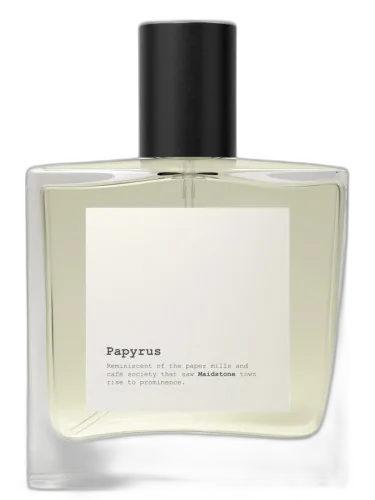
Edenbridge
Payprus Edenbridge
Shared accords: amber, citrus, fresh spicy
DI SER
Hana No Oto Di Ser
Shared accords: aromatic, citrus, floral
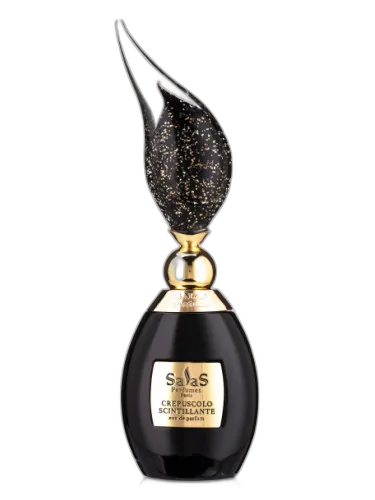
Salas
Crepuscolo Scintillante Salas
Shared accords: amber, aromatic, citrus
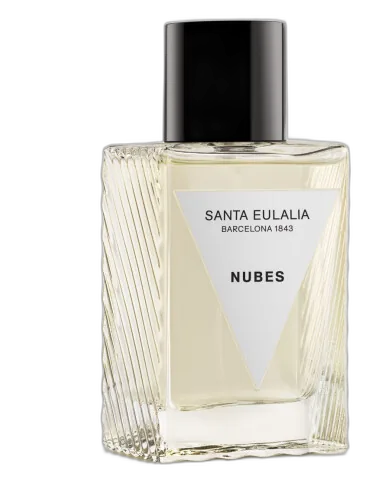
Santa Eulalia
Nubes Santa Eulalia
Shared accords: amber, aromatic, citrus

Allen Shaw
Rose Allen Shaw
Shared accords: amber, aromatic, citrus