


Cosmorosa Perfumebox
At a glance
Is Cosmorosa Perfumebox worth trying?
Cosmorosa by PerfumeBox is a Floral Woody Musk fragrance for women and men.
- Best match
- Casual wear in Spring
- Performance feel
- Good longevity with Moderate sillage
- Signature profile
- citrus, fresh, rose with Ice, Lime, Rose
The first impression
Cosmorosa by PerfumeBox is a Floral Woody Musk fragrance for women and men. Cosmorosa was launched in 2019. The nose behind this fragrance is Tatiana Naumova.
What shapes the scent
The perfumer behind it

Tatiana Naumova
Tatiana Naumova is a perfumer for the EVOY brand. She developed a range of fragrances such as Ambra Bombeza, Elven Garden, Ganache Praline Crumble, and O'da Vanille. Her work spans gourmand, floral, and oriental themes.
Notes pyramid
All Notes
Complete scent profile
 Ice
Ice
 Lime
Lime
 Rose
Rose
 Incense
 Guaiac Wood
 Lavender
 Patchouli
 Vetiver
 Ambergris
The mood it creates
The Innocent Archetype: Portrait of Cosmorosa Perfumebox
Essence
To wear Cosmorosa Perfumebox is to embrace a fragrance that is soft yet luminous, a blend of delicate florals with an undercurrent of playful sweetness. It does not overwhelm but lingers like a half-remembered dream-light, ethereal, and just out of reach. The person who chooses this scent is not one for harshness or extremes; they move through the world with an air of quiet optimism, their spirit untouched by cynicism. They are, at their core, an embodiment of the Innocent archetype-the eternal dreamer who believes in purity, simplicity, and the possibility of a world untainted by corruption.
Shadow
Yet no archetype is without its shadow. The Innocent’s greatest strength-their unwavering faith in goodness-can become their greatest weakness. When reality contradicts their ideals, they may retreat into denial, refusing to acknowledge darkness even when it demands confrontation. Their optimism can curdle into passivity, their gentleness into fragility. They may cling to relationships long after they have turned toxic, believing that love alone can heal all wounds.
Worse still, their aversion to conflict can make them complicit in injustice. They would rather smooth over tension than face it, leaving deeper wounds to fester beneath the surface. Their distaste for harsh truths may render them blind to the suffering of those outside their immediate circle. The world, after all, does not always reward innocence-it exploits it.
Conclusion
Their philosophy is one of gentle resistance-against the weight of the world, against the erosion of joy. They do not deny suffering, but they refuse to let it define them. Instead, they cultivate beauty in small, deliberate ways: a carefully arranged bouquet, a handwritten letter, a morning ritual of tea and sunlight. Their style is effortless, favoring soft fabrics, pastel hues, and flowing silhouettes that suggest movement rather than constraint. They are drawn to art that evokes nostalgia-impressionist paintings, folk melodies, poetry that speaks of meadows and first loves.
In relationships, they are the nurturer, the one who remembers birthdays and listens without judgment. Their presence is a balm; friends and lovers come to them for comfort, for the reassurance that goodness still exists. They believe in love as a redemptive force, in kindness as a moral imperative. Their optimism is not naivety but a conscious choice-a defiance of despair.
Their lifestyle reflects this inner harmony. They prefer quiet cafes to loud bars, gardens to concrete jungles. They may work in creative fields-writing, floral design, teaching-or in roles that allow them to preserve innocence in others, such as childcare or therapy. Their home is a sanctuary, filled with books, fresh flowers, and the scent of Cosmorosa lingering in the air.
If you like this, try these
Fragrances with a comparable profile - shared accords, notes, and character.
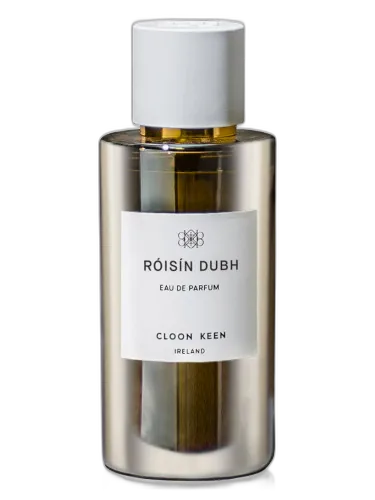
Cloon Keen Atelier
Róisín Dubh Cloon Keen Atelier
Shared top notes: incense, patchouli, rose
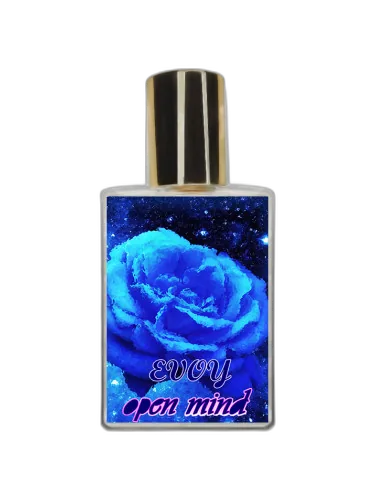
EVOY
Open Mind Evoy
Shared top notes: ambergris, ice, rose

The Perfumist
Cam Rip The Perfumist
Shared top notes: incense, patchouli, rose

My Alchemy
Lucky Charm My Alchemy
Shared top notes: lavender, patchouli, rose

Prairie Artisan Fragrances
Driftwood Prairie Artisan Fragrances
Shared top notes: guaiac wood, incense, patchouli