
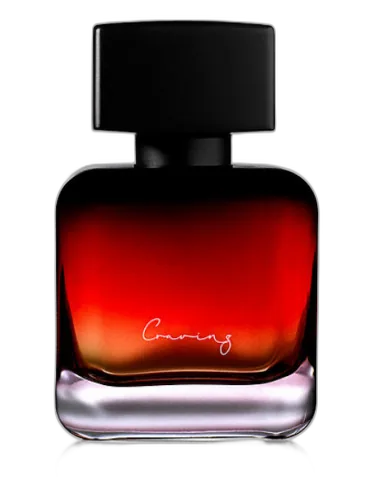
Craving Phuong Dang
At a glance
Is Craving Phuong Dang worth trying?
Craving by Phuong Dang is a Oriental Spicy fragrance for women and men.
- Best match
- Evening wear in Fall, Winter
- Performance feel
- Very Good longevity with Strong sillage
- Signature profile
- warm spicy, aromatic, amber with Cardamom, Cinnamon, Black Pepper
The first impression
Craving by Phuong Dang is a Oriental Spicy fragrance for women and men. Craving was launched in 2016. The nose behind this fragrance is Bertrand Duchaufour. Top notes are Cardamom, Cinnamon, Black Pepper, Yuzu, Bergamot and Quince; middle notes are Coffee, Bread, Plum, Black Tea, Olibanum and Geranium; base notes are Myrhh, Ambergris, Sandalwood, Cedar and Patchouli.
What shapes the scent
The perfumer behind it

Bertrand Duchaufour
Bertrand Duchaufour is a renowned French perfumer with a prolific career spanning many brands. He has created fragrances for Acqua di Parma, including Blu Mediterraneo - Cipresso Di Toscana and Colonia Assoluta, as well as for Aedes de Venustas, such as Café Tabac and Copal Azur. His style is known for its complexity and use of natural ingredients.
Notes pyramid
Top Notes
First impression · 15-30 min
 Cardamom
 Cinnamon
 Black Pepper
 Yuzu
Yuzu
 Bergamot
 Quince
Heart Notes
Core character · 2-4 hours
 Coffee
 Bread
Bread
 Plum
Black Tea
Olibanum
Plum
Black Tea
Olibanum
 Geranium
Base Notes
Lasting impression · 4+ hours
Myrhh
 Ambergris
 Sandalwood
 Cedar
Cedar
 Patchouli
The mood it creates
The Wanderer Archetype: Portrait of Craving Phuong Dang
Essence
The person who gravitates toward Craving Phuong Dang is, above all, a Seeker-one who is in perpetual motion, driven by an insatiable hunger for experience, meaning, and transformation. This fragrance, with its bold interplay of spice, smoke, and sweetness, mirrors their inner landscape: a soul that refuses to settle, always reaching beyond the horizon.
Like Odysseus or the alchemist in search of the philosopher’s stone, they are defined by their restlessness. Yet their journey is not merely external; it is a pilgrimage of the mind, a relentless questioning of what lies beneath the surface of life. They do not wear fragrance as mere adornment-they wield it as a talisman, a sensory invocation of the unknown.
Shadow
Yet no archetype is without its dark reflection. The Seeker’s greatest strength-their refusal to accept stagnation-can become their downfall. Their restlessness may manifest as chronic dissatisfaction, an inability to appreciate the present because they are always chasing the next revelation. They may grow impatient with those who do not share their fervor, dismissing slower, steadier souls as "unawakened."
There is also the danger of self-deception-mistaking motion for progress, mistaking novelty for depth. They may flit from passion to passion, never allowing any one pursuit to bear fruit. At their worst, they become the eternal wanderer who never arrives, the alchemist who never turns lead into gold.
Yet in their best moments, they embody the true spirit of the Seeker: not as one who flees from life, but as one who engages with it fully, unafraid of its complexities. Their fragrance, Craving Phuong Dang, is a testament to this duality-its smoky depth grounding their idealism, its sweetness tempering their sharp edges.
They are not here to conform. They are here to disrupt, to question, to taste life in all its bitter and intoxicating flavors. And though their path may be solitary at times, it is never lonely-for they walk with the ghosts of all the selves they have yet to become.
Conclusion
Their tastes are eclectic, drawn to the unconventional. In art, they favor the surreal or the avant-garde-Dali’s melting clocks, the haunting poetry of Rilke, the dissonant beauty of experimental jazz. They do not consume culture passively; they dissect it, seeking hidden meanings. Their wardrobe is a curated rebellion-rich textures, deep hues, perhaps a touch of vintage opulence-always hinting at something just beyond the ordinary.
Philosophically, they reject dogma. They are drawn to existentialism, mysticism, or even the paradoxical wisdom of Zen koans. Truth, for them, is not fixed but fluid-a shifting constellation of perspectives. They value freedom above all, not in the simplistic sense of doing as they please, but in the Nietzschean sense of self-overcoming, of becoming who they are.
Relationships are both their sanctuary and their crucible. They crave deep, soulful connections but often struggle with commitment-not out of fear, but because they refuse to let love become routine. Their partners must be fellow travelers, willing to explore the uncharted territories of emotion and intellect. Yet their intensity can be overwhelming; not everyone can match their relentless curiosity.
If you like this, try these
Fragrances with a comparable profile - shared accords, notes, and character.
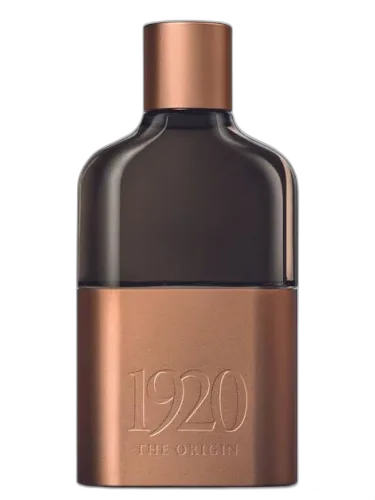
Tous
1920 The Origin Tous
Shared top notes: bergamot, black pepper, cardamom
Sana Jardin
Vanilla Nomad Sana Jardin
Shared top notes: bergamot, cardamom
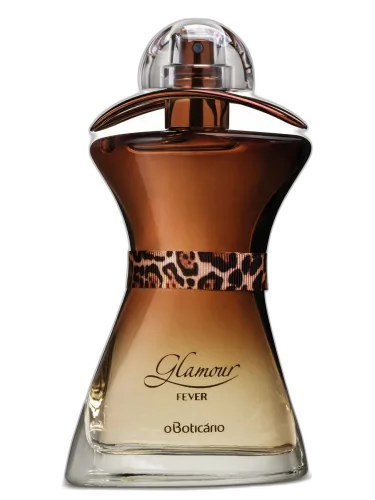
O Boticário
Glamour Fever O Boticário
Shared top notes: bergamot, black pepper, cinnamon
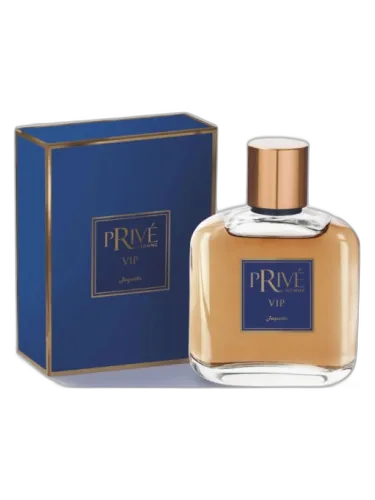
Jequiti
Privé Homme Vip Jequiti
Shared top notes: bergamot, black pepper, cardamom
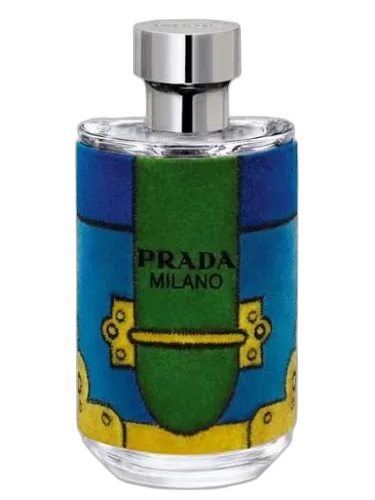
Prada
Prada L'homme Velvet Edition Prada
Shared top notes: black pepper, cardamom