
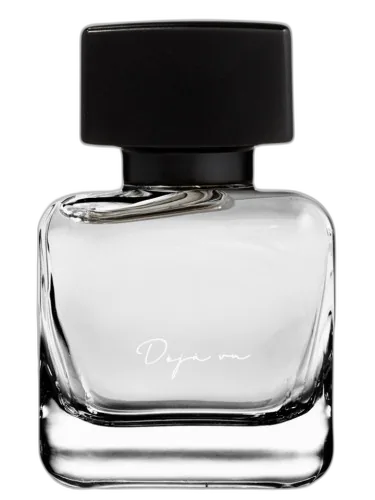
Deja Vu Phuong Dang
At a glance
Is Deja Vu Phuong Dang worth trying?
Deja Vu by Phuong Dang is a fragrance for women and men.
- Best match
- Casual wear in Spring
- Performance feel
- Moderate longevity with Moderate sillage
- Signature profile
- floral, yellow floral, marine with Hyacinth, Pear, Red Berries
The first impression
Deja Vu by Phuong Dang is a fragrance for women and men. This is a new fragrance. Deja Vu was launched in 2022. The nose behind this fragrance is Bertrand Duchaufour. Top notes are Hyacinth, Pear and Red Berries; middle notes are Magnolia, Sea water, Mimosa, Ozonic notes, Ylang-Ylang, Cyclamen and Hawthorn; base notes are Musk, Vanilla and Oakmoss.
What shapes the scent
The perfumer behind it

Bertrand Duchaufour
Bertrand Duchaufour is a renowned French perfumer with a prolific career spanning many brands. He has created fragrances for Acqua di Parma, including Blu Mediterraneo - Cipresso Di Toscana and Colonia Assoluta, as well as for Aedes de Venustas, such as Café Tabac and Copal Azur. His style is known for its complexity and use of natural ingredients.
Notes pyramid
Top Notes
First impression · 15-30 min
 Hyacinth
 Pear
Pear
 Red Berries
Heart Notes
Core character · 2-4 hours
 Magnolia
 Sea water
 Mimosa
Ozonic notes
Mimosa
Ozonic notes
 Ylang-Ylang
 Cyclamen
 Hawthorn
Base Notes
Lasting impression · 4+ hours
 Musk
Musk
 Vanilla
 Oakmoss
The mood it creates
The Lover Archetype: Portrait of Deja Vu Phuong Dang
Essence
The one who wears Deja Vu Phuong Dang is not merely drawn to fragrance-they are seduced by the intangible. This scent, with its ethereal blend of white florals, incense, and a whisper of spice, evokes something beyond the material world. It is the aroma of memory, of déjà vu itself-fleeting yet profound. The wearer is most closely aligned with the Mystic, an archetype that seeks meaning beyond the surface, forever attuned to the unseen currents of existence.
Style & Aesthetic
Their appearance is an extension of their inner world-neither entirely bohemian nor minimalist, but something in between. They favor layered textures, flowing fabrics, and muted yet rich colors: deep greens, dusky purples, the soft gold of candlelight. Their jewelry is often antique or symbolic-a talisman, a faded locket, a ring with an unknown inscription.
Their home is a sanctuary of curated mystery: incense coils in the air, books on alchemy or poetry lie half-open, and candles flicker beside odd trinkets collected from travels. They prefer the dim glow of lamplight to harsh brightness, as if always preparing for a revelation.
Philosophy & Values
To the Mystic, life is not a series of events but a tapestry of symbols. They believe in the hidden connections between things-the way a scent can resurrect a forgotten moment, or how a dream might contain a truth too delicate for daylight. Their philosophy is one of intuitive knowing; they trust the unseen more than the proven.
They value depth over dogma, preferring ambiguity to rigid certainty. Their spirituality is fluid, borrowing from Eastern mysticism, Western esotericism, or even their own private mythology. They are not bound by tradition but by the resonance of experience. Yet, this can make them seem elusive, even to themselves-forever chasing epiphanies that dissolve upon touch.
Relationships
The Mystic loves deeply but on their own terms. They crave connection but are wary of being fully known-after all, how can one explain the ineffable? Their relationships are intense yet episodic, marked by moments of profound closeness followed by retreat.
They attract those who long for depth but frustrate those who seek stability. Their lovers often feel like they are chasing a ghost, always one step behind the Mystic’s shifting inner landscape. Yet, when they choose to truly be present, their love is transformative-a fleeting glimpse of something divine.
Shadow
For all their wisdom, the Mystic is not without flaws. Their obsession with the hidden can make them detached from reality, mistaking vagueness for profundity. They may romanticize suffering, believing that clarity must always be earned through struggle.
At their worst, they become lost in their own myth, weaving narratives so intricate that even they cannot distinguish truth from illusion. They may withdraw into solitude, convinced that no one else could possibly understand-a self-fulfilling prophecy of isolation.
Conclusion
To live with Deja Vu Phuong Dang as their scent is to embrace the paradox of memory-both haunting and beautiful. The Mystic walks through life as if half-dreaming, forever on the edge of awakening. They are the ones who pause at the scent of jasmine on a summer night, who see omens in the flight of birds, who believe-despite all reason-that there is more beneath the surface.
And perhaps they are right.
If you like this, try these
Fragrances with a comparable profile - shared accords, notes, and character.
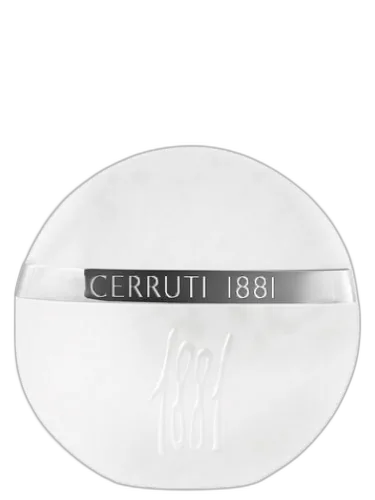
Cerruti
1881 Edition Blanche Cerruti
Shared heart notes: mimosa
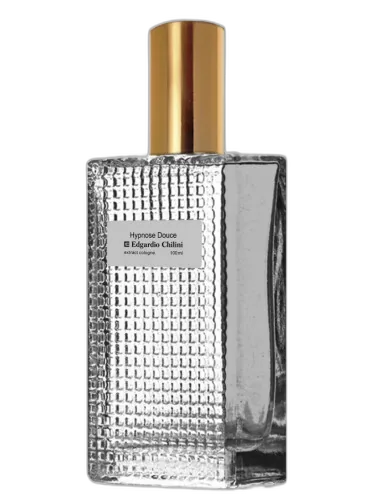
Edgardio Chilini
Hypnose Douce Edgardio Chilini
Shared base notes: musk, oakmoss, vanilla
Mary Kay
Weekend Vibes Mary Kay
Shared top notes: pear
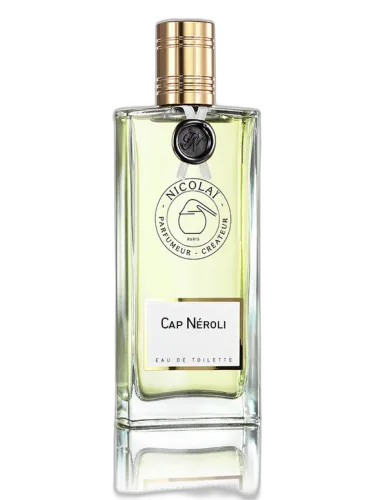
Nicolai Parfumeur Createur
Cap Neroli Nicolai Parfumeur Createur
Shared heart notes: ylang-ylang
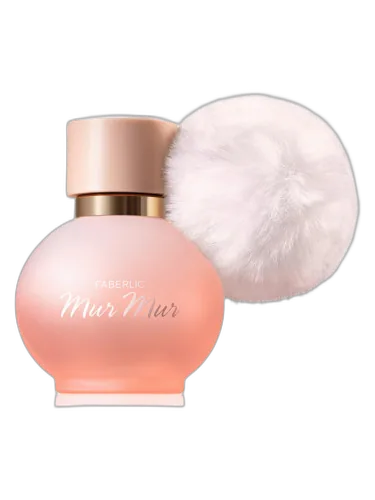
Faberlic
Mur Mur Faberlic
Shared base notes: musk, oakmoss, vanilla