
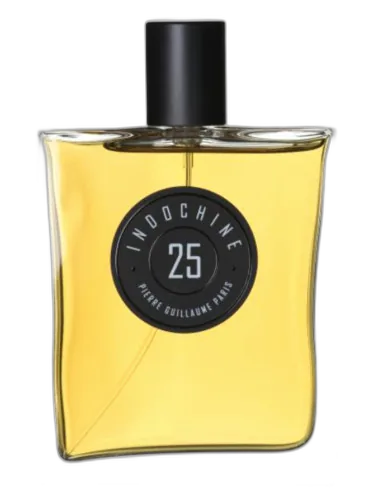

Indochine 25 Pierre Guillaume Paris
At a glance
Is Indochine 25 Pierre Guillaume Paris worth trying?
Indochine 25 by Pierre Guillaume Paris is a Woody Spicy fragrance for women and men.
- Best match
- Evening wear in Fall
- Performance feel
- Very Good longevity with Strong sillage
- Signature profile
- warm spicy, amber, honey with Cardamom, Pepper, Honey
The first impression
Indochine 25 by Pierre Guillaume Paris is a Woody Spicy fragrance for women and men. Indochine 25 was launched in 2011. The nose behind this fragrance is Pierre Guillaume. Top notes are Cardamom and Pepper; middle notes are Honey and Thanaka Wood; base note is Siam Benzoin.
What shapes the scent
The perfumer behind it

Pierre Guillaume
Pierre Guillaume is a French perfumer and founder of the niche brand Parfumerie Generale. He has created fragrances for Laboratorio Olfattivo and Phaedon, among others. His style is known for its artistic and conceptual approach. Guillaume's work often features complex and evocative blends.
Notes pyramid
Top Notes
First impression · 15-30 min
 Cardamom
 Pepper
Heart Notes
Core character · 2-4 hours
 Honey
Honey
 Thanaka Wood
Base Notes
Lasting impression · 4+ hours
 Siam Benzoin
The mood it creates
The Wanderer Archetype: Portrait of Indochine 25 Pierre Guillaume Paris
Essence
This person is, at their core, an Explorer-a seeker of the unknown, drawn to the edges of experience. The scent of Indochine 25-spiced, smoky, yet delicately floral-mirrors their essence: a soul who thrives in the liminal, the spaces between worlds. Like the fragrance, they are neither wholly Eastern nor Western, neither entirely grounded nor ethereal. They are a traveler between realms, intoxicated by the unfamiliar, yet always carrying a trace of nostalgia for what they’ve left behind.
Style & Aesthetic
Their taste is an exercise in harmonized contradiction. They wear tailored linen with a single antique ring, drink bitter tea sweetened with honey, and collect books in languages they only half-understand. Their home is a curated museum of found objects-a Balinese mask beside a French modernist sketch, a Persian rug over cold concrete floors.
They reject the obvious, favoring scents, textures, and ideas that resist immediate comprehension. Indochine 25 appeals to them precisely because it is neither sweet nor harsh, neither entirely warm nor cool-it is a riddle, much like themselves.
They thrive in cities where past and future collide-Lisbon, Istanbul, Hanoi. They work in creative fields-perhaps as a photographer, a translator, a perfumer-anything that allows them to mediate between worlds. Their days are unstructured but deliberate; they despise routine but cultivate rituals (morning incense, evening walks).
Yet their greatest flaw is restlessness. They mistake motion for growth, change for evolution. They may wake one day to find they have traveled far but arrived nowhere.
Philosophy & Values
They believe life is not meant to be solved, but explored. They disdain dogma, whether spiritual, political, or aesthetic. Their morality is fluid, shaped by encounters rather than doctrines. They value freedom above all, yet they are not anarchic-their wanderings have a quiet discipline, a self-imposed exile from the mundane.
Yet, this very freedom is their paradox. They fear stagnation more than danger, commitment more than loneliness. They collect experiences like rare spices, but sometimes forget to taste them fully.
Relationships
They attract others effortlessly-their aura of mystery is magnetic. Lovers and friends are drawn to their elusive depth, the sense that they know secrets of the world. But relationships with them are like their fragrance: intense, then fading. They cherish connection, yet resist possession.
Their shadow emerges here: they are afraid of being known completely, as if self-disclosure would dull their mystique. They leave before they can be left, love passionately but never settle. Those who love them often feel like temporary guests in a beautiful, ever-shifting landscape.
Shadow
Beneath the allure of the Explorer lies a quiet sorrow-the fear of belonging nowhere. They have mastered the art of departure but not the art of staying. Their independence, once a strength, can become a prison.
But when they pause-when they allow themselves to be still-they discover that true exploration is not just of place, but of depth. The most uncharted territory is not a foreign land, but the self they have been too restless to know.
And perhaps, one day, they will find that Indochine 25 is not just the scent of wanderlust, but of a return.
If you like this, try these
Fragrances with a comparable profile - shared accords, notes, and character.
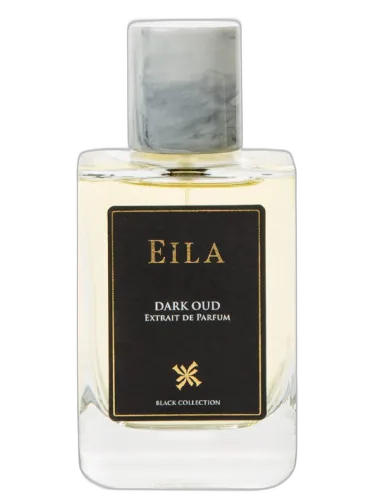
Eila
Dark Oud Eila
Shared top notes: cardamom, pepper
Emanuel Ungaro
Ungaro Pour L'homme Iii Oud Emanuel Ungaro
Shared top notes: cardamom, pepper

Liz Claiborne
Spark Liz Claiborne
Shared top notes: cardamom, pepper
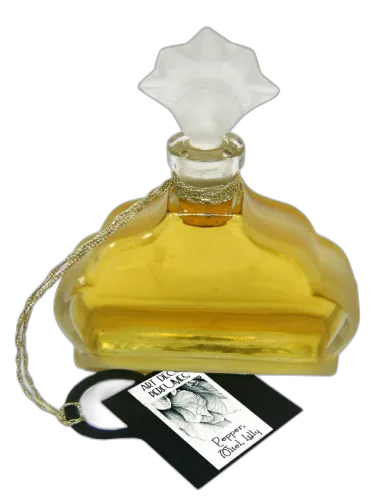
Art Deco Perfumes
Pepper, Miel, Lilly Art Deco Perfumes
Shared top notes: pepper

Avon
Exclusive Reserve Avon
Shared top notes: cardamom, pepper