


Murkwood Pineward Perfumes
At a glance
Is Murkwood Pineward Perfumes worth trying?
Murkwood by Pineward Perfumes is a Woody Aromatic fragrance for women and men.
- Best match
- Evening wear in Fall
- Performance feel
- Excellent longevity with Strong sillage
- Signature profile
- woody, amber, balsamic with Balsam Fir, Incense, Myrrh
The first impression
Murkwood by Pineward Perfumes is a Woody Aromatic fragrance for women and men. Murkwood was launched in 2020. The nose behind this fragrance is Nicholas Nilsson.
What shapes the scent
The perfumer behind it

Nicholas Nilsson
Nicholas Nilsson is the founder and perfumer behind Pineward Perfumes, a brand known for forest-inspired fragrances. His creations include Apple Tabac, Autumnal, Bindebole, Boreal, Borealis, Brokilän, Bucolic, and Chandlery. Nilsson's work often evokes the natural landscapes of woodlands and the changing seasons.
Notes pyramid
All Notes
Complete scent profile
 Balsam Fir
 Incense
 Myrrh
Myrrh
 Black hemlock or Tsuga
 Lapsang Souchong Tea
Moss
Lapsang Souchong Tea
Moss
The mood it creates
The Sage Archetype: Portrait of Murkwood Pineward Perfumes
Essence
The one who chooses Murkwood by Pineward Perfumes is drawn to the scent of ancient forests-dark, resinous, and introspective. This fragrance is not for the frivolous or the restless; it belongs to those who seek wisdom in solitude, who find meaning in the quiet depths of nature and thought. Their dominant archetype is the Sage, the seeker of knowledge, the observer of life’s hidden patterns.
Like the towering pines that inspire their scent, they stand apart-rooted in their convictions, yet flexible enough to bend with the winds of change. They are not merely intellectual but deeply intuitive, sensing truths that others overlook. Their presence is steady, their words measured, and their insights often arrive like distant echoes from a forgotten time.
Relationships
They do not surround themselves with many, but those they keep close are bound by unspoken understanding. Their friendships are forged in shared silences as much as in conversation. Romantic partners must respect their need for solitude, for they will never be the type to lose themselves in another. Love, for them, is a quiet fire-warm but never consuming.
Their relationships are built on mutual growth, though they may unintentionally distance themselves through their self-sufficiency. They do not easily ask for help, seeing vulnerability as a kind of surrender. This can make them seem aloof, even cold, to those who mistake their independence for indifference.
Shadow
Yet, no archetype is without its shadow. The Sage’s greatest strength-their intellect-can become their prison. They may retreat too far into their own mind, mistaking contemplation for action. At times, they risk becoming the hermit who sees the world only through theory, never through lived experience. Their detachment, while a shield against chaos, can harden into cynicism.
They may also struggle with pride, believing their insights superior to those of others. The very wisdom they seek can become a barrier, isolating them from the raw, imperfect beauty of human connection. When unbalanced, they may grow weary of a world that refuses to match their ideals, withdrawing into a fortress of their own making.
Conclusion
Their tastes are refined but never ostentatious. They prefer the weight of a well-worn leather-bound book over the glare of a screen, the texture of raw linen over synthetic fabrics. Their home is a sanctuary of wood, stone, and muted earth tones-spaces that feel lived-in rather than curated. They might collect rare incense, vintage maps, or dried botanicals, each object holding a story or a fragment of knowledge.
Philosophy is not an abstract exercise for them but a way of navigating existence. They may be drawn to Stoicism, Taoism, or the writings of Jung himself, finding solace in systems that acknowledge life’s inherent contradictions. They do not fear darkness, for they understand that shadows are merely the absence of light-not its negation.
If you like this, try these
Fragrances with a comparable profile - shared accords, notes, and character.

DS&Durga
40 Million Year Old Amber Ds&durga
Shared top notes: incense, myrrh
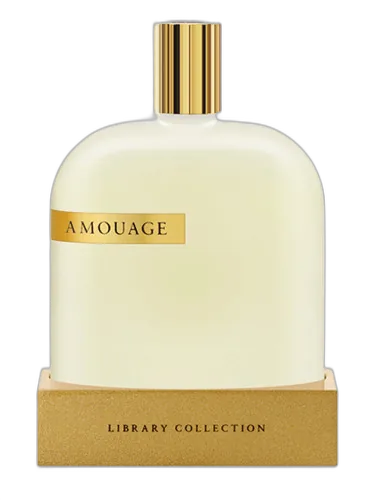
Amouage
The Library Collection Opus Vi Amouage
Shared top notes: incense
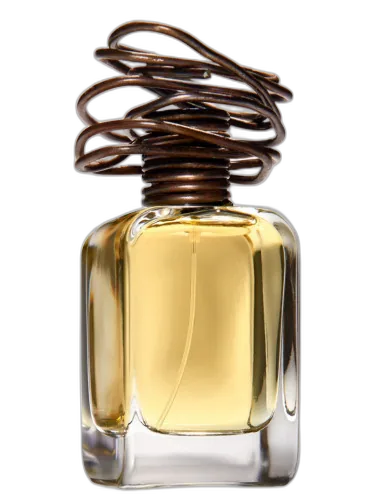
Mendittorosa
Archetipo Mendittorosa
Shared top notes: balsam fir, incense

Alkemia Perfumes
Falling Stars On Winter Solstice Alkemia Perfumes
Shared top notes: balsam fir, myrrh
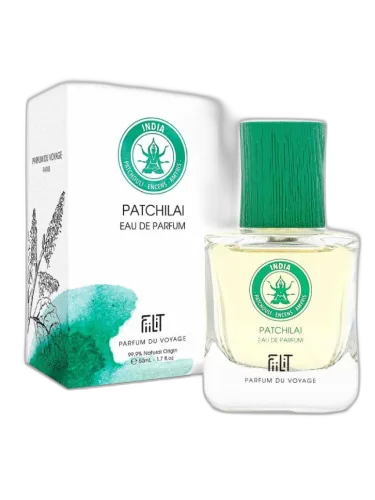
Fiilit
Patchilai - India Fiilit
Shared top notes: incense