
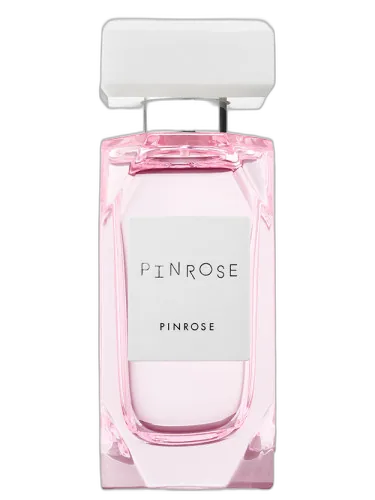

Merry Maker Pinrose
At a glance
Is Merry Maker Pinrose worth trying?
Merry Maker by Pinrose is a Aromatic Fruity fragrance for women.
- Best match
- Casual wear in Spring, Summer
- Performance feel
- Moderate longevity with Moderate sillage
- Signature profile
- fruity, sweet, citrus with Nectarine, Grapefruit, Cassis
The first impression
Merry Maker by Pinrose is a Aromatic Fruity fragrance for women. Merry Maker was launched in 2014. The nose behind this fragrance is Christelle Laprade. Top notes are Nectarine, Grapefruit and Cassis; middle notes are Plum, Rose and Violet; base notes are Musk, Moss and Tonka Bean.
What shapes the scent
The perfumer behind it

Christelle Laprade
Christelle Laprade is a French perfumer who has worked for major brands like Avon, Banana Republic, and Christian Siriano. Her creations include Luiza Brunet Intensa, Wild Country, Midnight Hour, Monday Rose, Tuberose Overdose, Velvet Pomegranate, Bullet, and Silhouette. Her style ranges from fresh and floral to rich and fruity.
Notes pyramid
Top Notes
First impression · 15-30 min
 Nectarine
 Grapefruit
 Cassis
Heart Notes
Core character · 2-4 hours
 Plum
Plum
 Rose
Rose
 Violet
Base Notes
Lasting impression · 4+ hours
 Musk
Moss
Musk
Moss
 Tonka Bean
The mood it creates
The Merry Maker Archetype: Portrait of Merry Maker Pinrose
Essence
To love Merry Maker by Pinrose is to embrace a fragrance that crackles with playful energy-a blend of bright citrus, effervescent champagne, and warm vanilla. It is a scent for those who refuse to be confined by solemnity, who find beauty in spontaneity and delight in the unexpected. The wearer of this fragrance is not merely cheerful; they are an architect of joy, a weaver of laughter. Their archetype is unmistakable: The Jester.
Shadow
But every archetype has its shadow, and the Jester is no exception. Their relentless pursuit of joy can become a form of evasion. When faced with pain-their own or others’-they may deflect with humor, turning wounds into punchlines before they can truly heal. Their fear? That beneath the laughter, there is only silence.
This avoidance can strain relationships. Partners may crave depth beyond the jest, friends may grow weary of never being allowed to sit in sorrow. The Jester’s greatest flaw is not their levity, but their occasional inability to let others-or themselves-simply be without performance.
They may also struggle with commitment, preferring the thrill of novelty to the quiet endurance of long-term bonds. Responsibilities can feel like chains, routines like prisons. The shadow Jester risks becoming the eternal child, refusing to grow not out of innocence, but out of fear that adulthood means the death of joy.
Yet, in their best moments, the Jester transcends these pitfalls. They learn that true joy is not the absence of sorrow but the courage to face it and still choose laughter. Their gift is not mere entertainment but a reminder that life, in all its chaos, is still worth celebrating.
They are the ones who teach us that sometimes, the most profound truths are spoken in jest. And in a world that often takes itself too seriously, their presence is nothing short of revolutionary.
Conclusion
This person moves through the world with an infectious lightness, their presence like sunlight breaking through clouds. They are the friend who turns a dull evening into an adventure, the colleague who diffuses tension with a well-timed joke. Their philosophy is simple: life is too short for unnecessary seriousness. They do not deny suffering, but they refuse to let it dictate their spirit.
Their tastes reflect this buoyancy-bold colors, whimsical accessories, music that makes the body move without permission. They favor experiences over possessions, collecting memories like treasures. A night of dancing holds more value than a meticulously curated home. Their relationships thrive on spontaneity; they are the one who sends impulsive texts at midnight, proposing road trips or last-minute gatherings. People are drawn to them because they make the ordinary feel extraordinary.
Yet, their joy is not frivolous. Beneath the laughter lies a deep wisdom-an understanding that humor can be a shield, a weapon, a bridge. They use it to disarm hostility, to comfort the wounded, to expose truths too heavy to bear in solemnity. Their optimism is not naivety but a conscious choice, a rebellion against despair.
If you like this, try these
Fragrances with a comparable profile - shared accords, notes, and character.

Spirit Of Kings
Sagira Spirit Of Kings
Shared top notes: grapefruit

Exuma Parfums
Pure Water Exuma Parfums
Shared top notes: grapefruit
Nicolai Parfumeur Createur
Violette In Love Nicolai Parfumeur Createur
Shared top notes: cassis

Mith
Memory-go-round Mith X Carnival Mith
Shared heart notes: plum, rose, violet
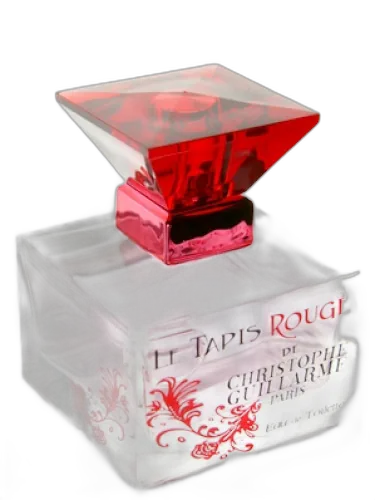
Christophe Guillarme
Le Tapis Rouge Christophe Guillarme
Shared top notes: cassis, grapefruit