


Joyeuses Tropiques Plumages
At a glance
Is Joyeuses Tropiques Plumages worth trying?
Joyeuses Tropiques by Plumages is a fragrance for women and men.
- Best match
- Casual wear in Summer
- Performance feel
- Good longevity with Moderate sillage
- Signature profile
- citrus, sweet, fruity with Kumquat, Pineapple, Mango
The first impression
Joyeuses Tropiques by Plumages is a fragrance for women and men. Joyeuses Tropiques was launched in 2019. The nose behind this fragrance is Bertrand Duchaufour. Top notes are Kumquat, Pineapple and Mango; middle notes are Tuberose, Petitgrain Paraguay and Green Leaves; base notes are Haitian Vetiver and Dark Chocolate.
What shapes the scent
The perfumer behind it

Bertrand Duchaufour
Bertrand Duchaufour is a renowned French perfumer with a prolific career spanning many brands. He has created fragrances for Acqua di Parma, including Blu Mediterraneo - Cipresso Di Toscana and Colonia Assoluta, as well as for Aedes de Venustas, such as Café Tabac and Copal Azur. His style is known for its complexity and use of natural ingredients.
Notes pyramid
Top Notes
First impression · 15-30 min
 Kumquat
 Pineapple
 Mango
Mango
Heart Notes
Core character · 2-4 hours
 Tuberose
 Petitgrain Paraguay
Green Leaves
Petitgrain Paraguay
Green Leaves
Base Notes
Lasting impression · 4+ hours
Haitian Vetiver
 Dark Chocolate
The mood it creates
The Lover Archetype: Portrait of Joyeuses Tropiques Plumages
Essence
This person is most closely defined by the Explorer archetype-a restless seeker of sensation, novelty, and the sublime. The Explorer thrives on the thrill of discovery, whether in distant lands, intellectual pursuits, or the depths of human connection. Joyeuses Tropiques Plumages, with its lush, exotic blend of tropical florals and vibrant spices, mirrors their spirit: untamed, intoxicating, and unapologetically alive. They are drawn to the fragrance not for its familiarity but for its ability to transport them-to evoke the scent of a jungle canopy at dusk or the salt-kissed breeze of an uncharted shore.
Yet, like all archetypes, the Explorer has a shadow. Their insatiable hunger for the new can become a flight from commitment, a refusal to settle-even when settling might bring deeper fulfillment. They risk becoming eternal wanderers, never pausing long enough to cultivate roots.
Relationships
In love, they are passionate but elusive. They crave connection but resist confinement. Their partners are often fellow wanderers-artists, travelers, thinkers who understand that love need not be a cage to be real. They give freely of their affection but guard their independence fiercely. Their greatest fear is stagnation, and so they leave before they can be left, a self-fulfilling prophecy of transience.
Friendships are similarly fluid. They collect souls like souvenirs, each relationship a brief, brilliant fire. Some resent them for their detachment; others admire their refusal to be bound by expectation.
Shadow
Their brilliance is also their curse. The same hunger that drives them to seek the extraordinary can leave them perpetually unsatisfied with the ordinary. They mistake motion for meaning, assuming that if they keep moving, they will eventually arrive-somewhere, anywhere. But the destination never comes.
In weaker moments, they grow cynical, dismissing depth as delusion, mistaking their own fear of commitment for wisdom. They may become collectors of experiences rather than cultivators of them, skimming the surface of life without ever diving deep.
Conclusion
Their tastes are eclectic, refined by exposure rather than tradition. They prefer bold flavors-spiced rum, dark chocolate laced with chili, ripe mango dripping with juice. Their wardrobe is a mosaic of textures and influences: silk scarves from Marrakech, leather boots worn thin by wandering, a single piece of jewelry imbued with personal mythos. They disdain mass-produced aesthetics, seeking instead the handcrafted, the storied, the imperfectly beautiful.
Philosophically, they reject dogma. Truth, to them, is not found in rigid systems but in lived experience-in the way sunlight filters through palm leaves, in the rhythm of a foreign language they do not yet understand. They are drawn to thinkers like Nietzsche himself, who championed the individual’s will to self-creation, but they temper his severity with a sensualist’s appreciation for pleasure.
If you like this, try these
Fragrances with a comparable profile - shared accords, notes, and character.

Egofacto
Me Myself & I Egofacto
Shared heart notes: tuberose
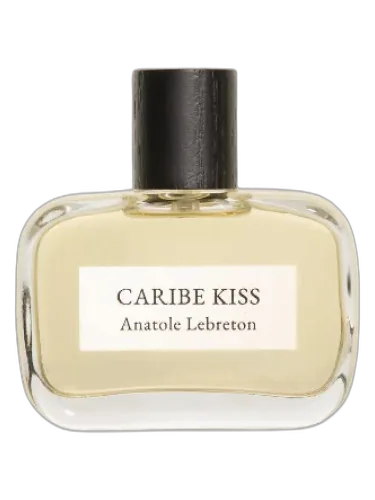
Anatole Lebreton
Caribe Kiss Anatole Lebreton
Shared top notes: pineapple

Michel Germain
Sugarful Sunshine Michel Germain
Shared top notes: mango, pineapple
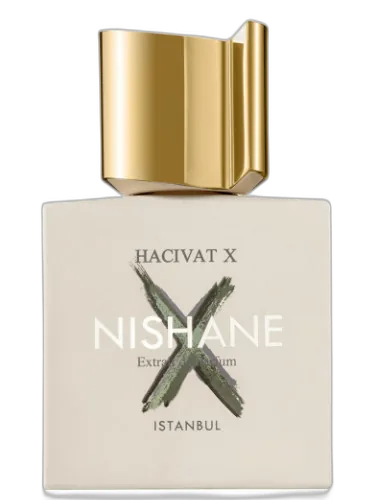
Nishane
Hacivat X Nishane
Shared top notes: pineapple

Avon
Exclusive Reserve Avon
Shared heart notes: green leaves