

Twice To Tea Poesie
At a glance
Is Twice To Tea Poesie worth trying?
Twice to Tea by Poesie is a fragrance for women and men.
- Best match
- Casual wear in Fall
- Performance feel
- Moderate longevity with Moderate sillage
- Signature profile
- aromatic, lavender, lactonic with Earl Grey Tea, Lavender, Milk
The first impression
Twice to Tea by Poesie is a fragrance for women and men. Twice to Tea was launched in 2018. The nose behind this fragrance is Joelle Nealy.
What shapes the scent
The perfumer behind it

Joelle Nealy
Joelle Nealy is a perfumer known for her extensive work with Poesie, creating fragrances such as A Thousand Warriors, All Jollity, and Aurora. Her portfolio includes a variety of themes from cozy to ethereal, as seen in Balmoral Fireplace and Arctic Monkeys. Nealy's compositions often blend storytelling with nuanced scent profiles.
Notes pyramid
All Notes
Complete scent profile
 Earl Grey Tea
 Lavender
 Milk
Milk
 Vanilla
The mood it creates
The Sage Archetype: Portrait of Twice To Tea Poesie
Essence
To wear Twice To Tea by Poesie is to embrace a fragrance that is both contemplative and comforting-a blend of bergamot, lavender, and vanilla, softened by the quiet warmth of milk and honey. It is a scent for those who find solace in ritual, who seek wisdom in stillness, and who value depth over dazzle. The person who chooses this fragrance is most closely aligned with the Sage archetype-a thinker, a seeker, a quiet observer of life’s subtle patterns.
Shadow
Yet the Sage is not without their flaws. Their love of solitude can tip into isolation, their introspection into overanalysis. They may retreat too deeply into their own mind, mistaking contemplation for action. At times, they grow impatient with those who do not share their depth of thought, dismissing emotion as irrational or fleeting.
Their pursuit of wisdom can become a form of control-an attempt to master life rather than live it. They may hesitate to act, waiting for perfect understanding, while life passes them by. And when their careful equilibrium is disrupted, they can grow brittle, their usual calm giving way to quiet frustration or even passive resistance.
Conclusion
Their tastes are deliberate, never accidental. They prefer the understated elegance of well-worn books, the muted colors of linen and wool, the quiet hum of a kettle boiling for tea. Their home is a sanctuary of order and meaning: shelves lined with philosophy and poetry, a single vase of dried lavender on the windowsill, a notebook always within reach. They do not chase trends; they cultivate what endures.
Their philosophy is one of introspection. They believe that truth is found not in loud declarations but in the spaces between words, in the slow unfurling of understanding. They value knowledge, but not for its own sake-rather, for the way it deepens their connection to the world. They are drawn to Eastern philosophies, Stoicism, or the quiet mysticism of Rumi, finding in them a balance between intellect and intuition.
In relationships, they are the steady presence, the listener, the one who offers insight rather than impulsive advice. They do not crave crowds but cherish a few profound connections. Their love is expressed in small, meaningful gestures-a handwritten letter, a carefully chosen book, the way they remember the exact way you take your tea.
If you like this, try these
Fragrances with a comparable profile - shared accords, notes, and character.

Ganache Parfums
Pearl Grey Ganache Parfums
Shared top notes: earl grey tea, lavender, milk
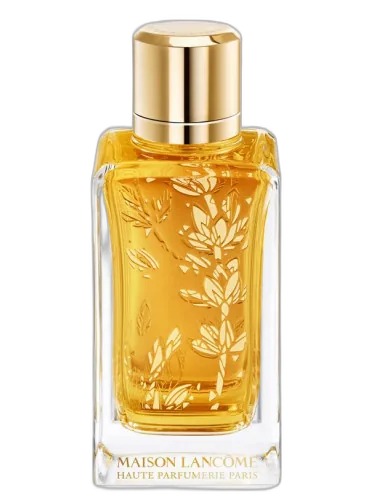
Lancôme
Lavandes Trianon Lancôme
Shared top notes: lavender, milk, vanilla
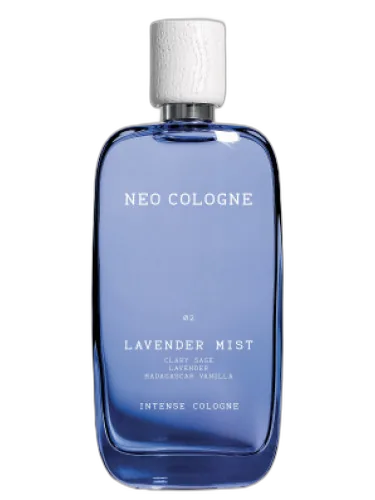
Neo Cologne
Lavender Mist Neo Cologne
Shared top notes: lavender, vanilla

Victoria's Secret
Relax Moodscentz Victoria's Secret
Shared top notes: lavender, vanilla
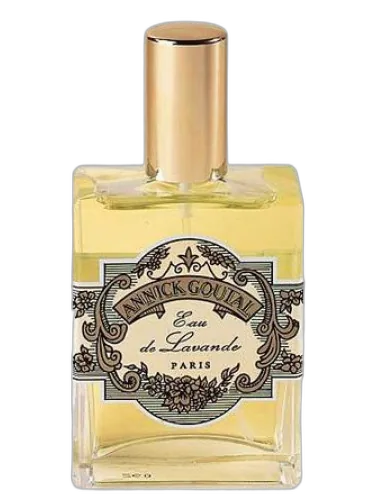
Goutal
Eau De Lavande Goutal
Shared top notes: lavender