
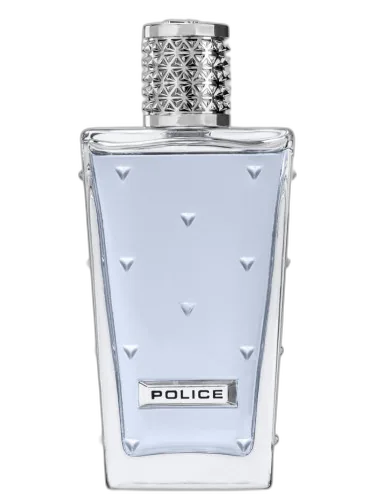

Police Legend For Man Police
At a glance
Is Police Legend For Man Police worth trying?
Police Legend for Man by Police is a Woody Spicy fragrance for men.
- Best match
- Evening wear in Fall
- Performance feel
- Good longevity with Moderate sillage
- Signature profile
- aromatic, fresh spicy, woody with Lavender, Black Pepper, Absinthe
The first impression
Police Legend for Man by Police is a Woody Spicy fragrance for men. Police Legend for Man was launched in 2017. Top notes are Lavender, Black Pepper and Absinthe; middle notes are Star Anise, Coumarin and Geranium; base notes are Amberwood, Leather and Vetiver.
What shapes the scent
The perfumer behind it

Unknown Perfumer
Notes pyramid
Top Notes
First impression · 15-30 min
 Lavender
 Black Pepper
 Absinthe
Heart Notes
Core character · 2-4 hours
 Star Anise
 Coumarin
 Geranium
Base Notes
Lasting impression · 4+ hours
 Amberwood
 Leather
 Vetiver
The mood it creates
The Explorer Archetype: Portrait of Police Legend For Man Police
Essence
Police Legend For Man is a scent of defiance-spicy, woody, and unapologetically bold. It does not whisper; it declares. The man who chooses it is drawn to its rugged confidence, its refusal to conform to delicate or overly refined perfumery. It is a fragrance for those who walk their own path, who would rather carve their name into the world than have it politely engraved.
This man is, at his core, a Rebel-one of Jung’s most potent archetypes. The Rebel thrives on autonomy, resists authority, and defines himself through opposition. He is not merely contrarian for its own sake; his defiance is a philosophy, a way of asserting his individuality against the tide of convention.
Yet the Rebel is not without paradox. His strength-his refusal to bow-can become his weakness, a rigid defiance that isolates rather than liberates. His shadow is the Outcast, the one who, in rejecting all chains, sometimes cuts the very ties that could nourish him.
Style & Aesthetic
His wardrobe is a manifesto. Leather jackets, well-worn boots, perhaps a tattoo or two-each choice a small act of defiance. He prefers raw, unfiltered experiences: smoky bars over sterile lounges, vinyl records over streaming algorithms. His taste in music, film, and literature leans toward the uncompromising-punk, noir, existentialist works that mirror his own refusal to sugarcoat life.
He may cultivate an air of mystery, but it is not affectation. He simply believes that true depth cannot be easily explained-or should not be.
Philosophy & Values
He does not live by society’s clock. His career is either self-made or deliberately unconventional-perhaps an entrepreneur, a musician, a renegade in his field. He scoffs at the 9-to-5 existence, seeing it as a slow death of the spirit. His philosophy is simple: "Rules are for those who lack the courage to make their own."
He values freedom above all else-not just physical freedom, but the freedom to think, to act, to define his own morality. He admires those who broke molds: revolutionaries, artists, outlaws. Yet beneath this bravado is a quiet fear-the terror of becoming what he despises: predictable, domesticated, ordinary.
Relationships
He attracts people effortlessly-his energy is magnetic, his confidence intoxicating. Yet few truly know him. Romantic partners are drawn to his independence, but some grow frustrated by his resistance to vulnerability. He loves fiercely but on his own terms, and commitment feels, at times, like surrender.
Friendships are built on mutual respect for individuality. He despises sycophants but values those who challenge him. His inner circle is small, curated-those who have earned his trust through shared battles, not mere proximity.
Shadow
His greatest strength is also his greatest peril. The Rebel’s refusal to conform can harden into isolation, a prideful loneliness mistaken for strength. He may dismiss sentiment as weakness, armor himself against tenderness, and mistake cynicism for wisdom.
If unchecked, his defiance becomes self-destructive-a man so determined to avoid cages that he refuses even the shelter of connection. The true test of his rebellion is whether it can evolve beyond mere opposition into something creative, something that builds rather than only destroys.
Conclusion
He is not for everyone. Some will find him too intense, too unwilling to bend. But for those who understand him, he is a force-a reminder that life is not meant to be passively accepted, but claimed.
His fragrance lingers after he leaves the room-spice, smoke, the faint echo of rebellion. It is not a scent for the timid. It is for the man who would rather stand alone than kneel with the crowd.
If you like this, try these
Fragrances with a comparable profile - shared accords, notes, and character.
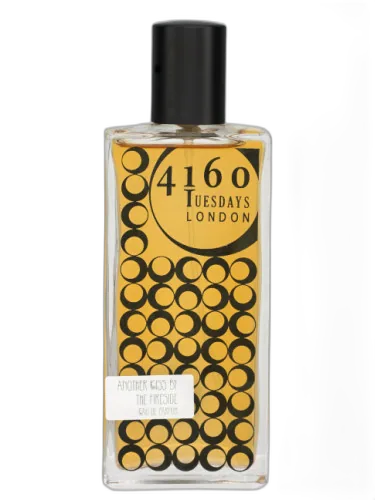
4160 Tuesdays
Another Kiss By The Fireside 4160 Tuesdays
Shared top notes: lavender
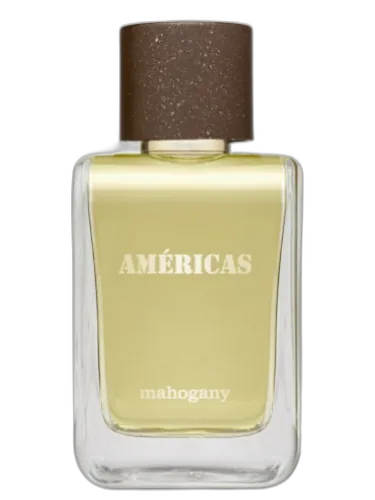
Mahogany
Américas Mahogany
Shared top notes: black pepper

Carolina Herrera
Bad Boy Le Parfum Carolina Herrera
Shared heart notes: geranium
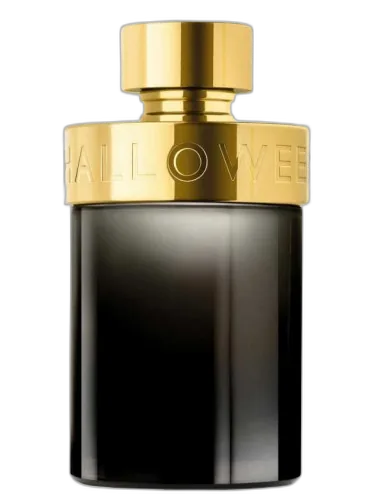
Halloween
Halloween Man Shot Halloween
Shared top notes: black pepper

Zara
The Denim Jacket Zara
Shared top notes: black pepper