


À Ce Soir Pont Des Arts
Fragrance Story
À Ce Soir by Pont Des Arts is a Oriental Floral fragrance for women and men. À Ce Soir was launched in 2017. The nose behind this fragrance is Bertrand Duchaufour. Top notes are Rum, Cinnamon, Cassis, Citron, Bamboo, Green Mandarin, Leather and Pink Pepper; middle notes are Narcissus, Pollen, Mastic or Lentisque, Ylang-Ylang and Orchid; base notes are Vanilla, Siam Benzoin, Amber, Tolu Balsam and Vetiver.
Composition Profile
About the Perfumer

Bertrand Duchaufour
Bertrand Duchaufour is a renowned French perfumer with a prolific career spanning many brands. He has created fragrances for Acqua di Parma, including Blu Mediterraneo - Cipresso Di Toscana and Colonia Assoluta, as well as for Aedes de Venustas, such as Café Tabac and Copal Azur. His style is known for its complexity and use of natural ingredients.
Fragrance Notes
Top Notes
First impression · 15-30 min
 Rum
Rum
 Cinnamon
 Cassis
 Citron
 Bamboo
Green Mandarin
Bamboo
Green Mandarin
 Leather
 Pink Pepper
Heart Notes
Core character · 2-4 hours
 Narcissus
 Pollen
 Mastic or Lentisque
 Ylang-Ylang
 Orchid
Base Notes
Lasting impression · 4+ hours
 Vanilla
Siam Benzoin
Vanilla
Siam Benzoin
 Amber
Amber
 Tolu Balsam
 Vetiver
Character Profile
The Lover Archetype: Portrait of À Ce Soir Pont Des Arts
Essence
To wear À Ce Soir Pont Des Arts is to embrace an olfactory sonnet-a blend of white florals, vanilla, and amber that whispers of twilight rendezvous and the intoxicating pull of desire. This fragrance is not for the timid; it is for those who live at the intersection of romance and intellect, who see love as both an art and a philosophy. The person who chooses this scent is most closely aligned with the Lover archetype, but theirs is a love that transcends mere sensuality-it is a devotion to beauty, intensity, and the deeper currents of human connection.
Style & Aesthetic
Their life is curated with the precision of a poet and the abandon of a hedonist. They surround themselves with objects that stir emotion: well-worn books of French poetry, vintage silk scarves that still carry traces of perfume, a record player spinning melancholic jazz. Their home is a sanctuary of soft lighting and tactile pleasures-velvet cushions, handwritten letters tucked into drawers, a single fresh rose in a cut-glass vase. They dress with deliberate elegance, favoring fabrics that drape and flow, as if their very clothing should move like a sigh.
They are drawn to art that aches with unresolved tension-films by Wong Kar-wai, the paintings of Klimt, the music of Debussy. Their taste is not for the obvious but for the layered, the suggestive, the almost-there. They savor slow meals with good wine, not for gluttony but for the ritual of it, the way a shared meal can become a silent confession.
Philosophy & Values
For them, emotion is not a distraction from truth but its purest expression. They believe in the sacredness of passion-not just in love, but in all pursuits. To be lukewarm is a sin; to feel deeply, even in sorrow, is to be fully alive. They are drawn to philosophies that honor the subjective, the personal-existentialism, perhaps, or the Romantic poets who worshipped beauty as a form of divinity.
They value loyalty but not possession; their relationships thrive on mutual intensity rather than obligation. They are the friend who remembers the exact shade of your sadness on a particular evening, the lover who writes letters in the middle of the night. But they also demand the same depth in return-superficiality wounds them more than betrayal.
Relationships
In love, they are both the enchantress and the enchanted. They do not love lightly, but neither do they love simply. Their relationships are layered with meaning, sometimes to the point of complication. They are drawn to partners who are just out of reach-the artist lost in their work, the traveler always on the verge of departure. There is a part of them that fears the mundane, the domestic, the predictable.
They are generous lovers, attentive and expressive, but they also wield silence like a weapon. When disappointed, they retreat into a private world of hurt, expecting others to decipher their unspoken grief. Their shadow is a tendency toward emotional manipulation-not out of malice, but from a belief that love should require effort, that devotion must be earned through longing.
Shadow
The Lover’s greatest strength is also their greatest flaw: they are forever chasing the sublime, the perfect moment, the unattainable. This can make them restless, dissatisfied with the ordinary rhythms of life. They may romanticize suffering, mistaking drama for depth. There is a danger of becoming the tragic figure in their own story, always yearning for something just beyond their grasp.
At their worst, they can be self-indulgent, prioritizing aesthetic pleasure over practical responsibility. They may withdraw from relationships when the initial intensity fades, mistaking stability for boredom. Their challenge is to learn that love is not only in the grand gestures but in the quiet, unglamorous acts of devotion.
Conclusion
To know them is to be drawn into their world of heightened sensation and poetic melancholy. They are not for everyone-their intensity can be exhausting, their expectations demanding. But for those who meet them at their depth, they offer a rare gift: the belief that life is meant to be felt, fiercely and without apology.
They are the Lover, not in the trivial sense of fleeting romance, but as one who worships at the altar of feeling. And like all true devotees, they walk the line between ecstasy and sorrow, knowing that to love deeply is to risk being undone.
Similar Fragrances
Fragrances with a comparable profile - shared accords, notes, and character.

Esprit
Esprit Collection Esprit
Shared accords: amber, aromatic, balsamic
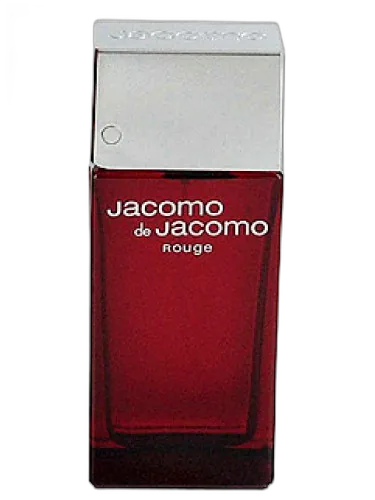
Jacomo
Jacomo De Jacomo Rouge Jacomo
Shared accords: amber, aromatic, balsamic

Odetu
Di Vanilator Odetu
Shared accords: amber, aromatic, balsamic

Etat Libre d'Orange
Story Of Your Life Etat Libre D'orange
Shared accords: amber, aromatic, balsamic

Perris Monte Carlo
Ylang Ylang Nosy Be Perris Monte Carlo
Shared accords: amber, aromatic, powdery