
Prada Paradoxe Prada
At a glance
Is Prada Paradoxe Prada worth trying?
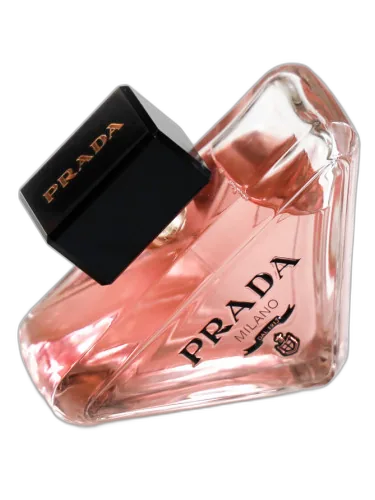
Prada Paradoxe by Prada is a Oriental Floral fragrance for women.
- Best match
- Evening, Special Occasion wear in Spring
- Performance feel
- Very Good longevity with Moderate sillage
- Signature profile
- white floral, citrus, sweet with Pear, Tangerine, Bergamot
The first impression
Prada Paradoxe by Prada is a Oriental Floral fragrance for women. This is a new fragrance. Prada Paradoxe was launched in 2022. Prada Paradoxe was created by Nadège Le Garlantezec, Antoine Maisondieu and Shyamala Maisondieu. Top notes are Pear, Tangerine and Bergamot; middle notes are Orange Blossom, Neroli Essence, Neroli and Jasmine Sambac; base notes are Bourbon Vanilla, Amber, White Musk and Benzoin.
What shapes the scent
The perfumer behind it

Antoine Maisondieu
Antoine Maisondieu is a French perfumer and a senior vice president at Givaudan, where he has worked for decades. He is known for creating refined, modern compositions that balance natural elegance with subtle complexity. His work includes the woody, leathery Bottega Veneta Pour Homme and the fresh, floral Acqua di Parma Magnolia Nobile.
Notes pyramid
Top Notes
First impression · 15-30 min
 Pear
Pear
 Tangerine
 Bergamot
Heart Notes
Core character · 2-4 hours
 Orange Blossom
 Neroli Essence
 Neroli
Jasmine Sambac
Neroli
Jasmine Sambac
Base Notes
Lasting impression · 4+ hours
Bourbon Vanilla
 Amber
White Musk
Amber
White Musk
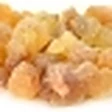 Benzoin
The mood it creates
The Wanderer Archetype: Portrait of Prada Paradoxe Prada
Essence
At their core, the lover of Prada Paradoxe is an Alchemist-a being who thrives on transformation, duality, and the synthesis of opposites. They are drawn to the fragrance’s interplay of fresh neroli, warm vanilla, and luminous musk, a scent that refuses to be pinned down, much like their own nature. The Alchemist seeks to reconcile contradictions, to blend the ephemeral with the eternal, the bold with the subtle. They are not content with static identities; they are in perpetual motion, refining themselves like gold in the crucible of experience.
Style & Aesthetic
Their wardrobe, like their scent, is a study in contrasts-structured blazers over silk slips, sharp tailoring softened by delicate textures. They favor pieces that suggest both strength and sensuality, never fully committing to one aesthetic. Their home is a curated space where modern minimalism meets vintage warmth, where every object tells a story of reinvention.
They are drawn to art that challenges perception-surrealism, abstract expressionism, films with ambiguous endings. Music is another alchemy for them; they might oscillate between classical compositions and avant-garde electronica, finding beauty in the tension between order and chaos.
They are drawn to careers that allow reinvention-creative directors, entrepreneurs, psychologists, writers. Routine is their enemy; they thrive in environments where adaptability is prized. Their weekends might be spent between gallery openings and solitary hikes, between lively debates and silent contemplation.
They are disciplined in their pursuit of growth, but this discipline can tip into self-imposed pressure. When their experiments fail, they may spiral into self-doubt, questioning whether they are truly evolving or merely running in circles.
Philosophy & Values
Their worldview is one of fluidity-they believe in the multiplicity of truth, in the idea that one can be many things without contradiction. They disdain rigid moralism, preferring instead a philosophy of becoming rather than being. To them, life is an experiment, a series of alchemical reactions where failure is merely a step toward refinement. They value intelligence, curiosity, and above all, the courage to embrace paradox.
Yet, their love of transformation can border on restlessness-they fear stagnation more than failure. This can make them impatient with those who cling to certainty, and at times, they may dismiss tradition too quickly, mistaking depth for dogmatism.
Relationships
In love and friendship, they are magnetic but elusive. They attract others with their depth and unpredictability, but they resist being fully known-not out of deceit, but because they themselves are still evolving. They crave connections that stimulate growth, relationships that feel like collaborations rather than commitments.
Yet, their shadow emerges here: their fear of stagnation can make them reluctant to settle, even when stability is needed. They may unintentionally hurt those who seek constancy from them, leaving behind a trail of admirers who feel they were never truly let in.
Shadow
The Alchemist’s greatest flaw is their refusal to ever arrive. In their quest for transformation, they may neglect the wisdom of stillness, of accepting that some truths are found not in motion, but in pause. They risk becoming the eternal seeker who never allows themselves to be found.
Yet, this is also their redemption-their willingness to live in the question, to embrace the paradox of being both lost and found at once. In the end, they are not a fixed entity, but a process, a living alchemy. And perhaps that is the most profound truth they embody: that identity is not a destination, but an endless becoming.
If you like this, try these
Fragrances with a comparable profile - shared accords, notes, and character.
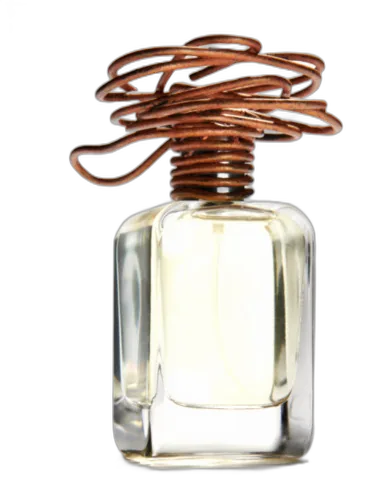
Mendittorosa
Lacura Mendittorosa
Shared top notes: bergamot, pear
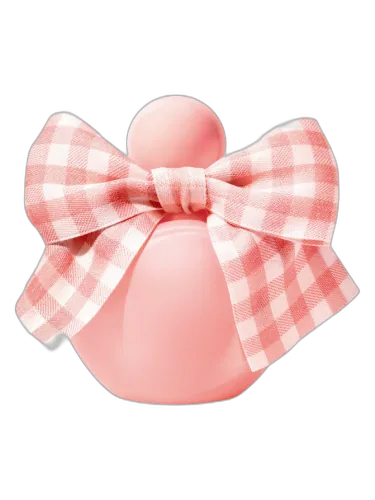
Nina Ricci
Nina Rose Garden Nina Ricci
Shared top notes: pear
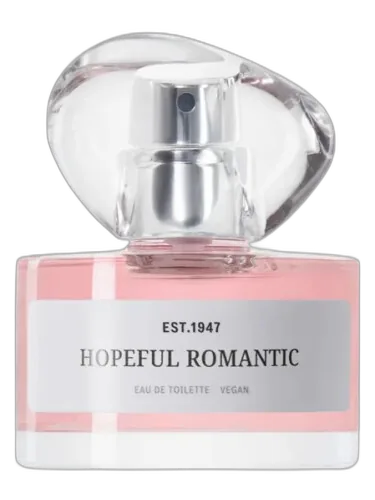
H&M
Hopeful Romantic H&m
Shared top notes: bergamot, pear
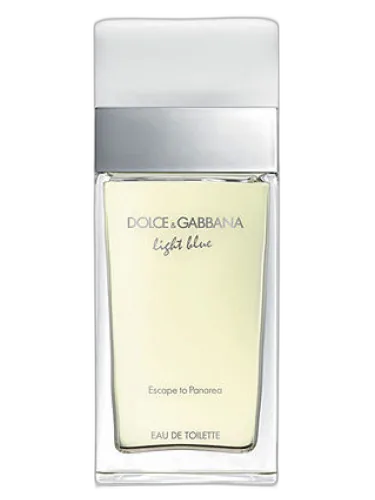
Dolce&Gabbana
Light Blue Escape To Panarea Dolce&gabbana
Shared top notes: bergamot, pear
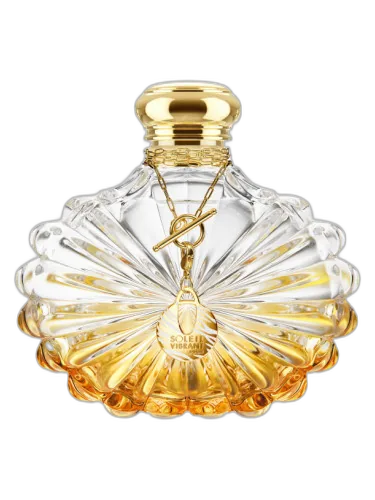
Lalique
Soleil Vibrant Lalique
Shared top notes: bergamot, pear