
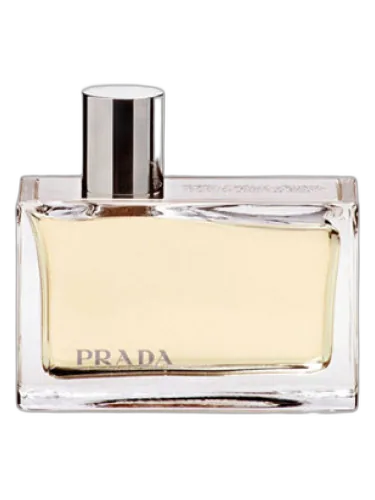

Prada Prada
At a glance
Is Prada Prada worth trying?
Prada by Prada is a Oriental Woody fragrance for women.
- Best match
- Evening, Special Occasion wear in Fall, Winter
- Performance feel
- Very Good longevity with Strong sillage
- Signature profile
- woody, warm spicy, patchouli with Bergamot, Bitter Orange, Mandarin Orange
The first impression
Prada by Prada is a Oriental Woody fragrance for women. Prada was launched in 2004. Prada was created by Carlos Benaïm, Max Gavarry and Clement Gavarry. Top notes are Bergamot, Bitter Orange, Mandarin Orange and Mimosa; middle notes are Patchouli, Rose and Pink Pepper; base notes are Benzoin, Sandalwood, Musk, Labdanum and Tonka Bean. This perfume is the winner of award FiFi Award Fragrance Of The Year Women`s Luxe 2005.
What shapes the scent
The perfumer behind it

Carlos Benaïm
Carlos Benaïm is a perfumer with a diverse portfolio spanning A Lab on Fire, Alfred Dunhill, and Aramis. He created Liquidnight for A Lab on Fire and Century for Alfred Dunhill. His work also includes Quorum for Antonio Puig and Havana Pour Elle for Aramis.
Notes pyramid
Top Notes
First impression · 15-30 min
 Bergamot
 Bitter Orange
 Mandarin Orange
 Mimosa
Heart Notes
Core character · 2-4 hours
 Patchouli
 Rose
Rose
 Pink Pepper
Base Notes
Lasting impression · 4+ hours
 Benzoin
 Sandalwood
 Musk
Musk
 Labdanum
 Tonka Bean
The mood it creates
The Sage Archetype: Portrait of Prada Prada
Essence
Archetype: The Sage
The person who chooses Prada Prada as their signature scent is drawn to its refined duality-powdery yet sharp, classic yet contemporary. This fragrance, with its clean iris and amber warmth, is not loud or brash; it does not demand attention but commands it subtly. The wearer is much the same-a thinker, an observer, someone who values depth over spectacle. The Sage archetype fits them perfectly, for they are seekers of truth, lovers of wisdom, and curators of knowledge. Yet, like all archetypes, this one has its shadows-detachment, intellectual arrogance, and an occasional coldness that keeps others at bay.
Style & Aesthetic
Their tastes are deliberate, never accidental. They prefer understated elegance-tailored blazers in muted tones, well-constructed leather bags, and minimalist watches that whisper rather than shout. Their home is a sanctuary of order: shelves lined with philosophy, art monographs, and well-worn novels. They might favor mid-century modern furniture, where form follows function, or perhaps a more eclectic mix of vintage and contemporary pieces-always with intention.
Music is an extension of their intellect. They appreciate composers like Arvo Pärt for their meditative austerity or the lyrical complexity of Leonard Cohen. Jazz, with its improvisational intelligence, might also appeal to them, though they disdain anything too chaotic. In film, they gravitate toward directors like Tarkovsky or Bergman-artists who ask questions rather than provide answers.
They rise early, not out of obligation but because dawn offers the clarity they crave. Their mornings are ritualistic-black coffee, a few pages of Kierkegaard or Didion, a moment of stillness before the day begins. Work is not merely a means to an end but an extension of their identity. They might be academics, editors, architects, or consultants-professions where precision and insight are rewarded.
Leisure is equally intentional. They travel not to escape but to engage-preferring quiet bookshops in Lisbon over crowded beaches in Ibiza. Exercise is less about vanity and more about discipline; yoga or long walks suit them better than competitive sports.
Philosophy & Values
They believe in the examined life. To them, wisdom is not merely accumulation but distillation-the ability to sift through noise and find essence. Stoicism appeals to them, not as a rigid doctrine but as a framework for resilience. They value rationality but are not naive enough to dismiss emotion entirely; they simply prefer it refined, like a well-aged wine.
Their politics are nuanced, resistant to dogma. They despise tribalism, seeing it as the death of critical thought. Yet this very aversion can make them seem aloof, even elitist-unwilling to dirty their hands in the mess of human conflict. They believe in progress but are skeptical of blind optimism, knowing that every era carries its own delusions.
Relationships
They do not collect friends; they cultivate them. Their inner circle is small, composed of those who can match their intellectual rigor or, at the very least, challenge it. They are not cruel, but they are discerning-boredom is their greatest fear, and they will quietly distance themselves from those who cannot sustain their interest.
Romantically, they seek a partner who is both an equal and a counterbalance-someone who can pierce their occasional emotional reserve with warmth. They are not prone to grand romantic gestures but express love through shared silence, thoughtful gifts, and deep conversation. Their shadow here is a tendency to overanalyze love, to dissect it until the mystery is lost.
Shadow
For all their wisdom, they are not immune to folly. Their greatest weakness is their belief in their own objectivity. They can become so enamored with their intellect that they dismiss intuition, emotion, or the messy realities of human nature. This can make them appear cold, even condescending-unable to see that not all truths are reached through reason alone.
Their detachment, while a strength in analysis, can become a barrier in intimacy. They may rationalize their way out of vulnerability, mistaking emotional depth for irrationality. And when challenged, they can retreat into arrogance, wielding their knowledge as a weapon rather than a bridge.
Conclusion
The ideal evolution for this person is not to abandon their Sage nature but to soften its edges. To learn that wisdom without compassion is sterile, that knowledge untested by lived experience is hollow. When they achieve this balance, they become not just thinkers but guides-those rare individuals who illuminate without blinding, who teach without dictating.
And so they move through the world, leaving traces of Prada Prada in their wake-a scent that lingers, subtle but unforgettable, much like themselves.
If you like this, try these
Fragrances with a comparable profile - shared accords, notes, and character.
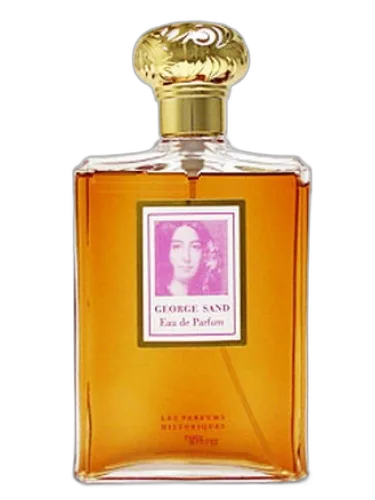
Maitre Parfumeur et Gantier
Eau De Parfum De George Sand Maitre Parfumeur Et Gantier
Shared top notes: bergamot
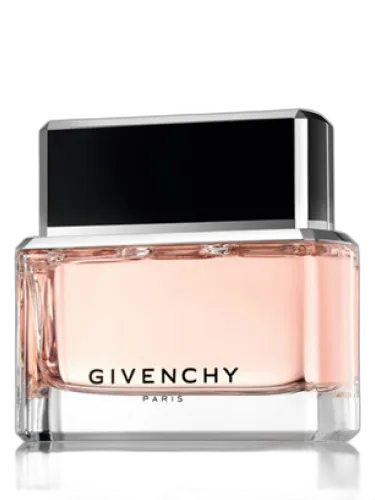
Givenchy
Dahlia Noir Givenchy
Shared top notes: bergamot, mandarin orange, mimosa

Maison de Parfum Berry
Ambre 35 Maison De Parfum Berry
Shared heart notes: patchouli, rose
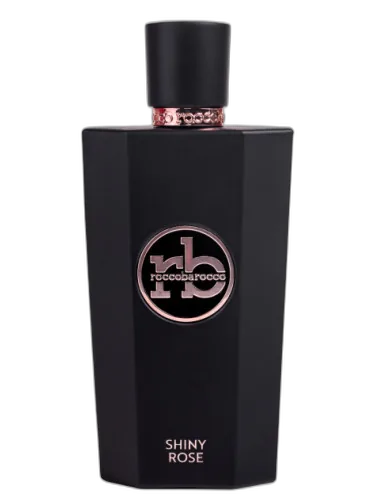
Roccobarocco
Shiny Rose Roccobarocco
Shared top notes: mandarin orange

CIEL Parfum
Soleil Amulet Ciel Parfum
Shared top notes: mandarin orange, mimosa